

Office Plant Encyclopedia
Expert care guides for every plant in our collection.
90 plants in the guide
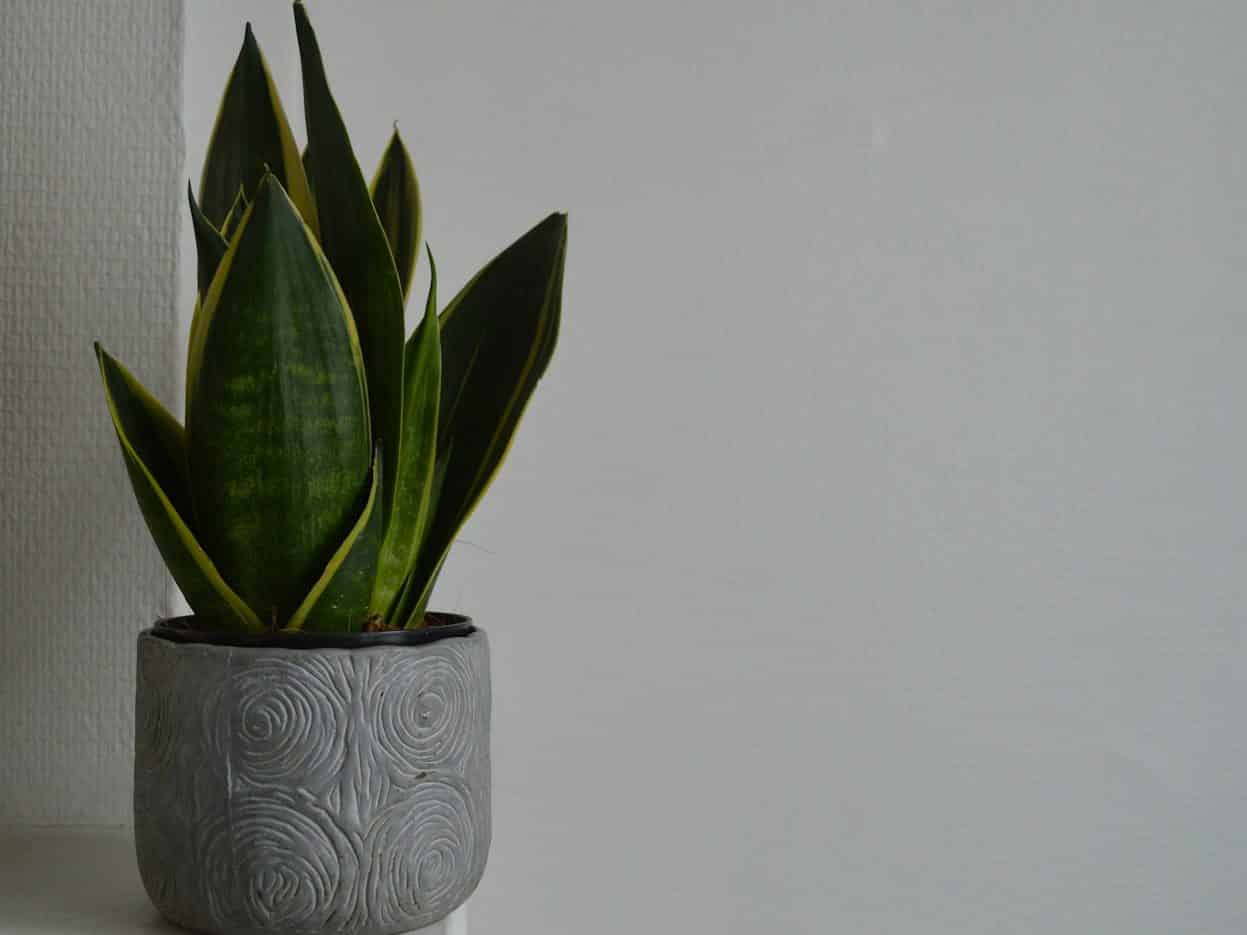
Sansevieria
Sansevieria trifasciata (Dracaena trifasciata)
Sansevieria trifasciata (Dracaena trifasciata), better known as the snake plant, is the gold standard of low-maintenance office greenery.
View care guide
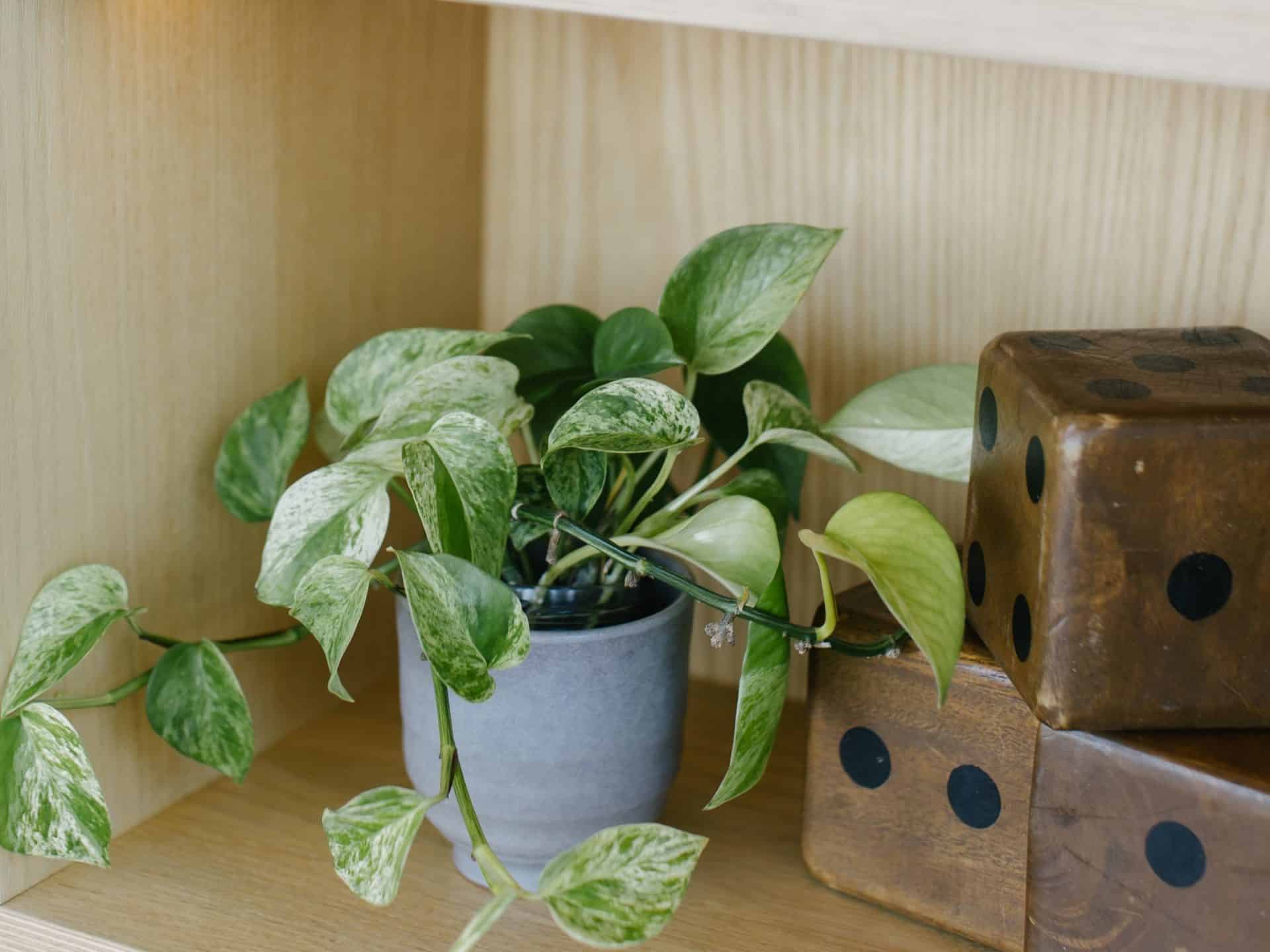
Pothos
Epipremnum aureum
Pothos, botanically Epipremnum aureum, is one of the most versatile and forgiving plants available, beloved for its heart-shaped leaves and trailing vines that can reach several metres in length.
View care guide
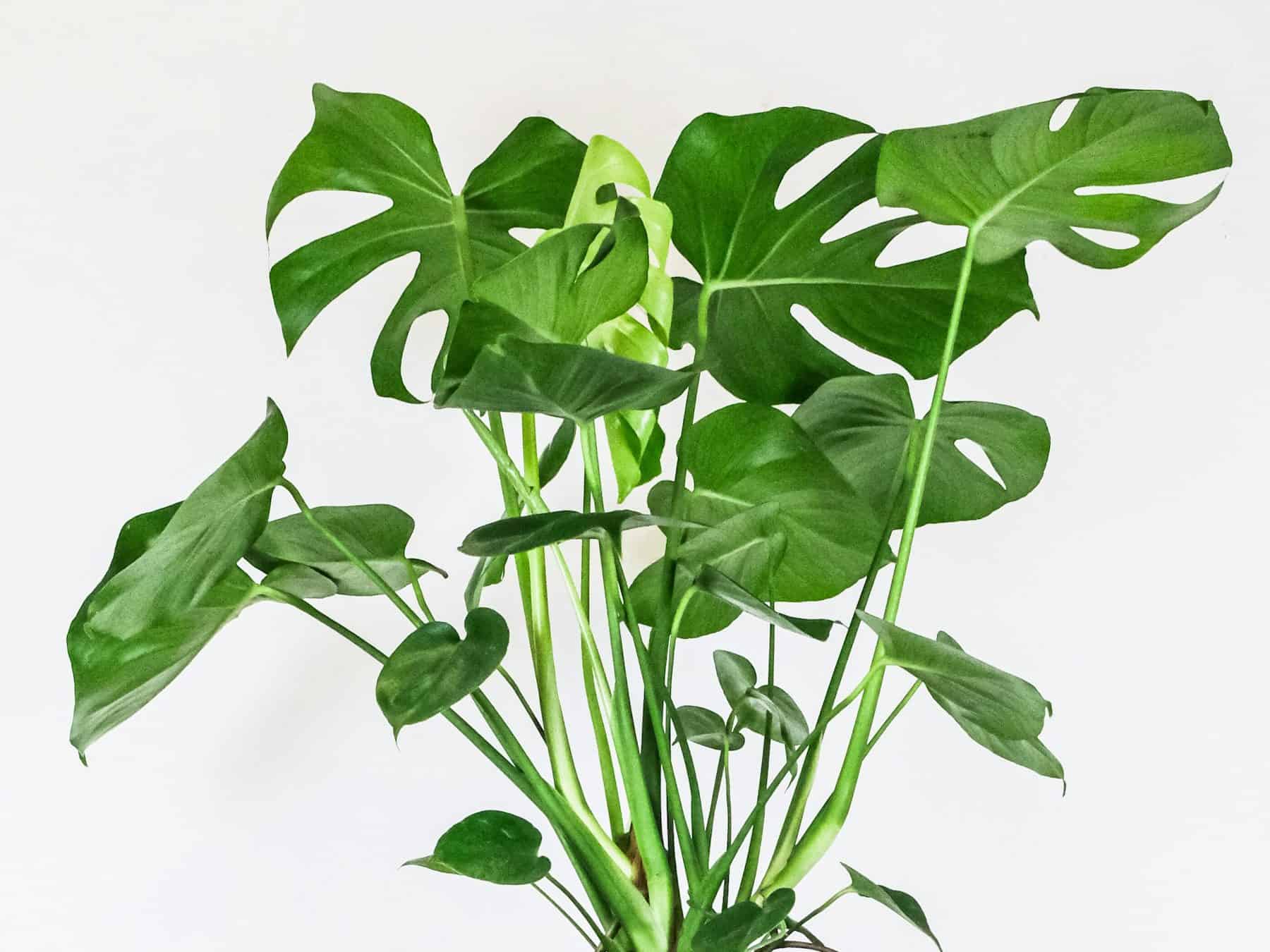
Monstera
Monstera deliciosa
The monstera deliciosa is the most recognizable houseplant of the last decade, and for good reason.
View care guide

Money Tree
Pachira aquatica
The money tree, or Pachira aquatica, is a tropical wetland tree from Central and South America, prized for its distinctive braided trunk and bright green palmate leaves.
View care guide
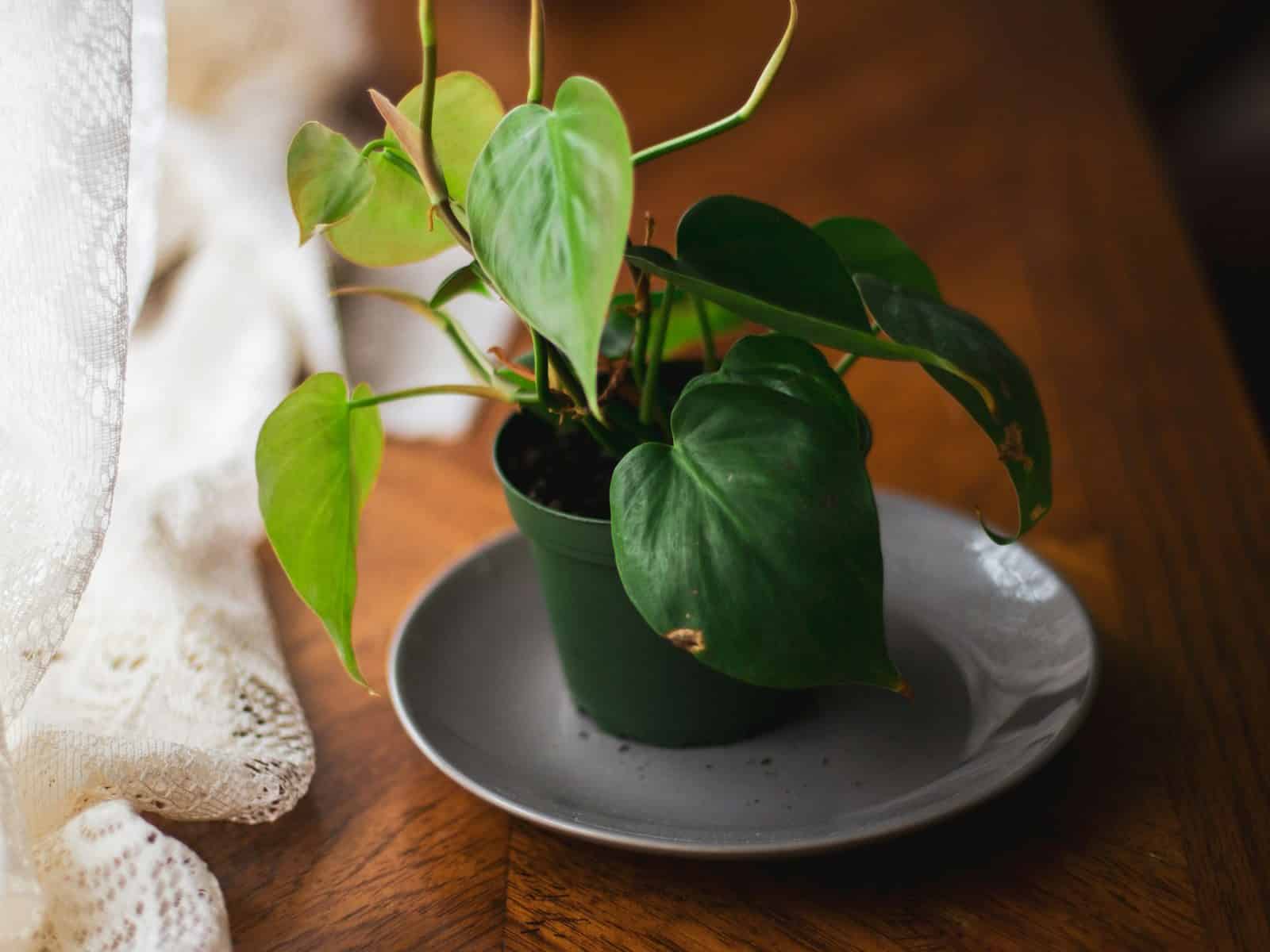
Heartleaf Philodendron
Philodendron hederaceum
The heartleaf philodendron, botanically Philodendron hederaceum, is a trailing vine with small, glossy, heart-shaped leaves 5–10cm across that cascade from a shelf or hanging planter.
View care guide
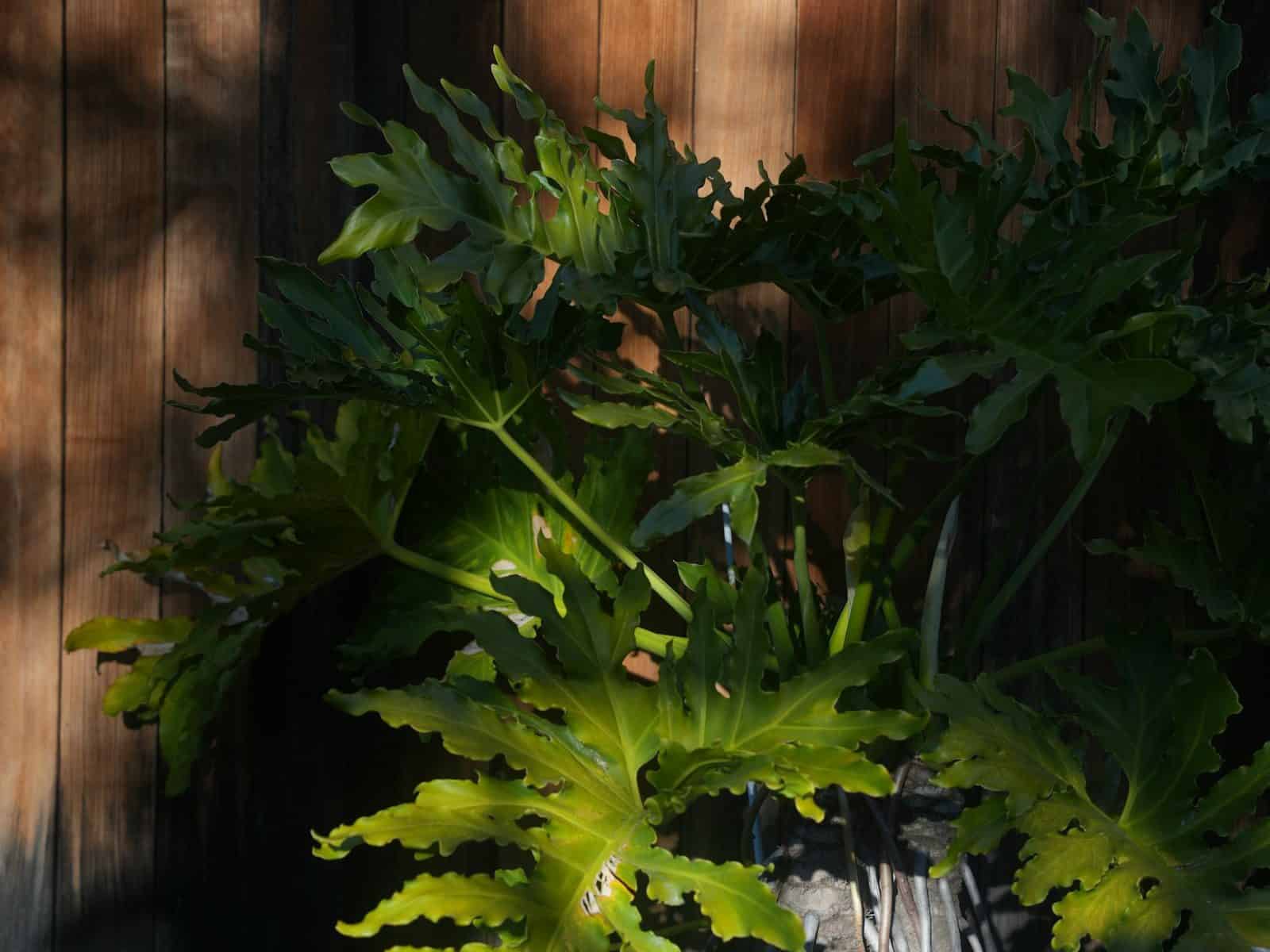
Philodendron Selloum
Thaumatophyllum bipinnatifidum
Philodendron Selloum, botanically Thaumatophyllum bipinnatifidum, is a large floor plant with deeply cut, lobed leaves that can spread 60cm or more across.
View care guide
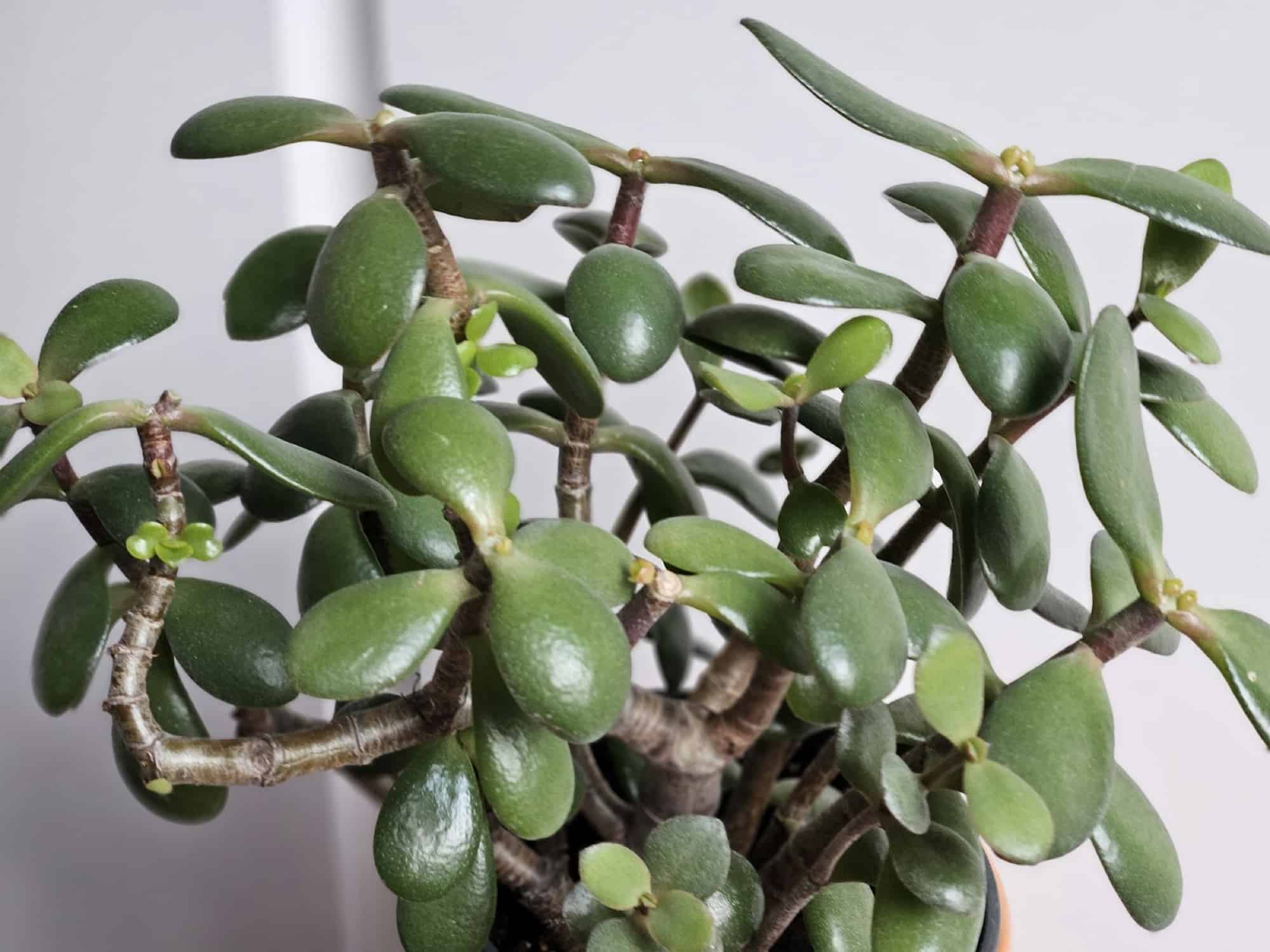
Jade Plant
Crassula ovata
Crassula ovata, commonly called the jade plant, is a South African succulent that can live for decades — even generations — with minimal care.
View care guide
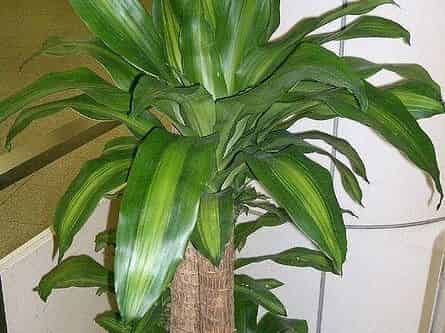
Dracaena Massangeana
Dracaena fragrans 'Massangeana'
Dracaena fragrans 'Massangeana', commonly called the corn plant, is easy to spot by its staggered three-cane grouping — short, medium, and tall canes clustered in one planter, the standard commercial form Benji's installs.
View care guide
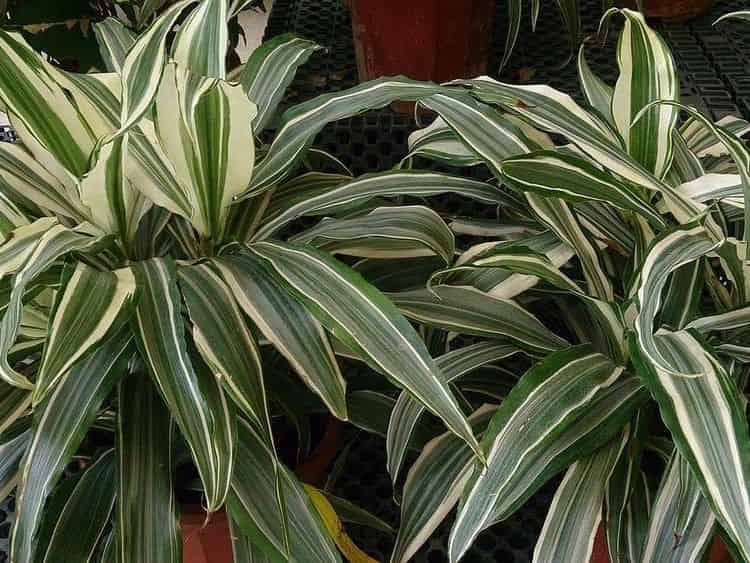
Dracaena Warneckii
Dracaena fragrans 'Warneckii'
Dracaena fragrans 'Warneckii' is the easiest Dracaena to identify by leaf alone: its white-striped leaves give it a lighter, more contemporary look than the solid green of other Dracaena.
View care guide
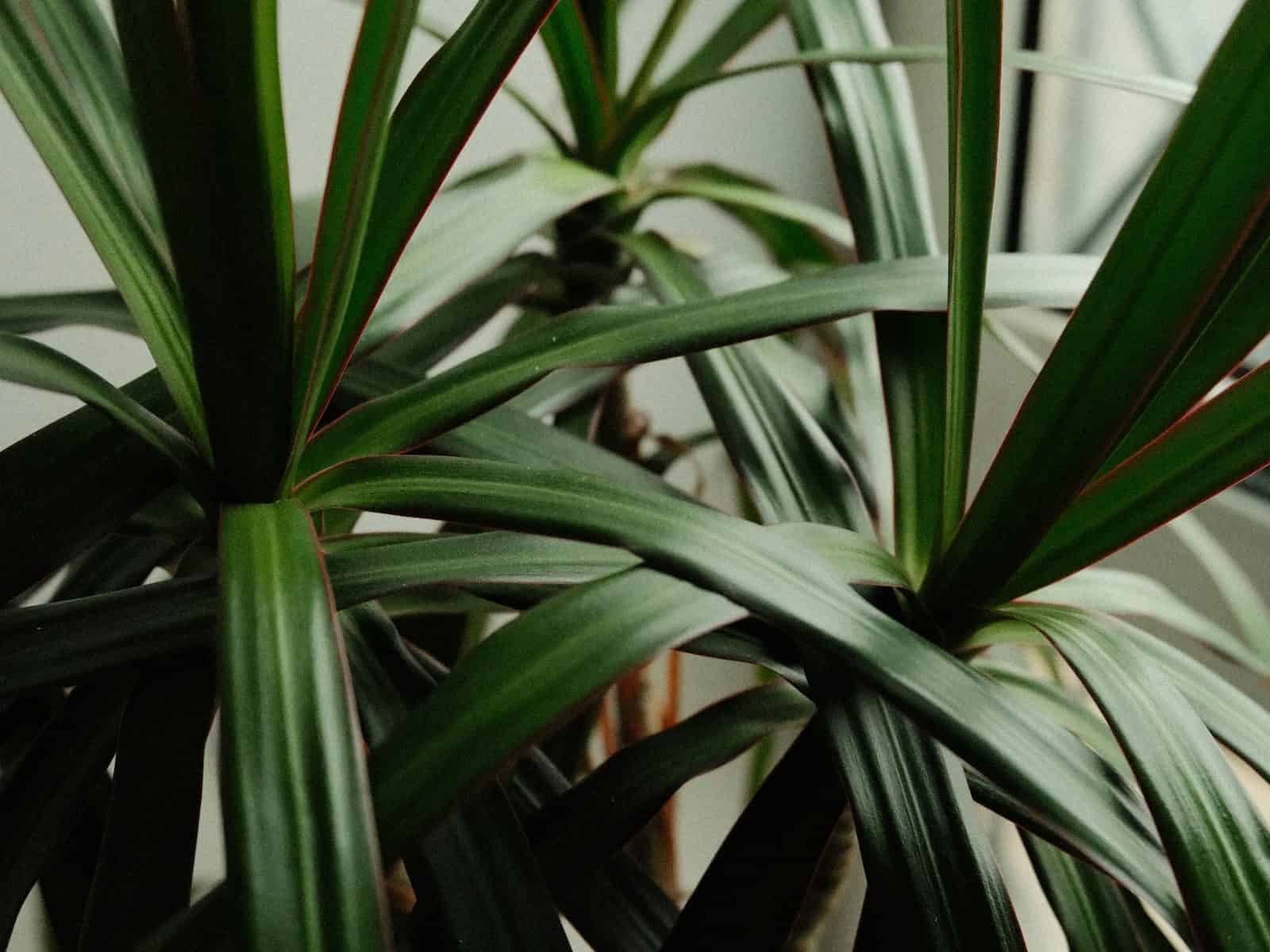
Dracaena Marginata
Dracaena marginata
Dracaena marginata is easy to pick out by its thin, woody canes topped with rosettes of narrow leaves edged in red-purple — a much narrower leaf than the broad, solid-green canes of other Dracaena.
View care guide
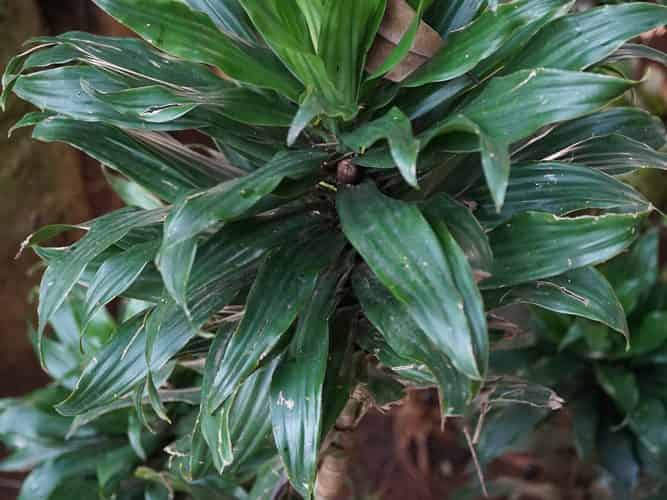
Dracaena Janet Craig Compacta
Dracaena fragrans 'Compacta'
Dracaena fragrans 'Compacta' is the compact cousin of standard Janet Craig — dense, tightly packed rosettes of dark green leaves on thick canes, rarely growing past 90cm (3 ft), where standard Janet Craig runs 1.
View care guide
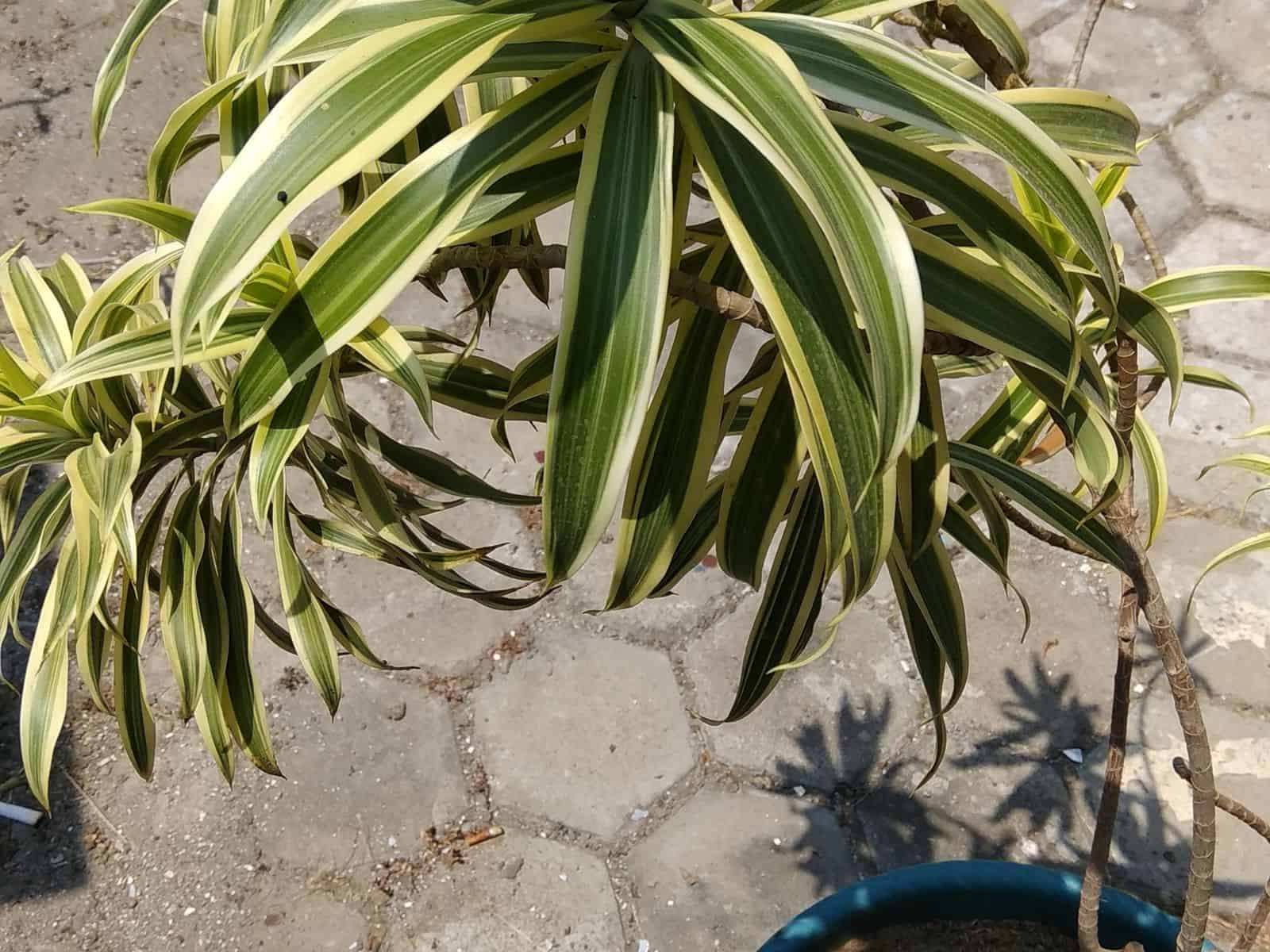
Dracaena Reflexa
Dracaena reflexa
Dracaena reflexa, sold at Benji's as Song of India, is easy to tell apart from other dracaenas once you know the leaf: short, backward-curving (reflexed) leaves packed into dense spiralling clusters along multi-branching stems, rather than the broad flat leaves and single canes of Janet Craig or Limelight.
View care guide
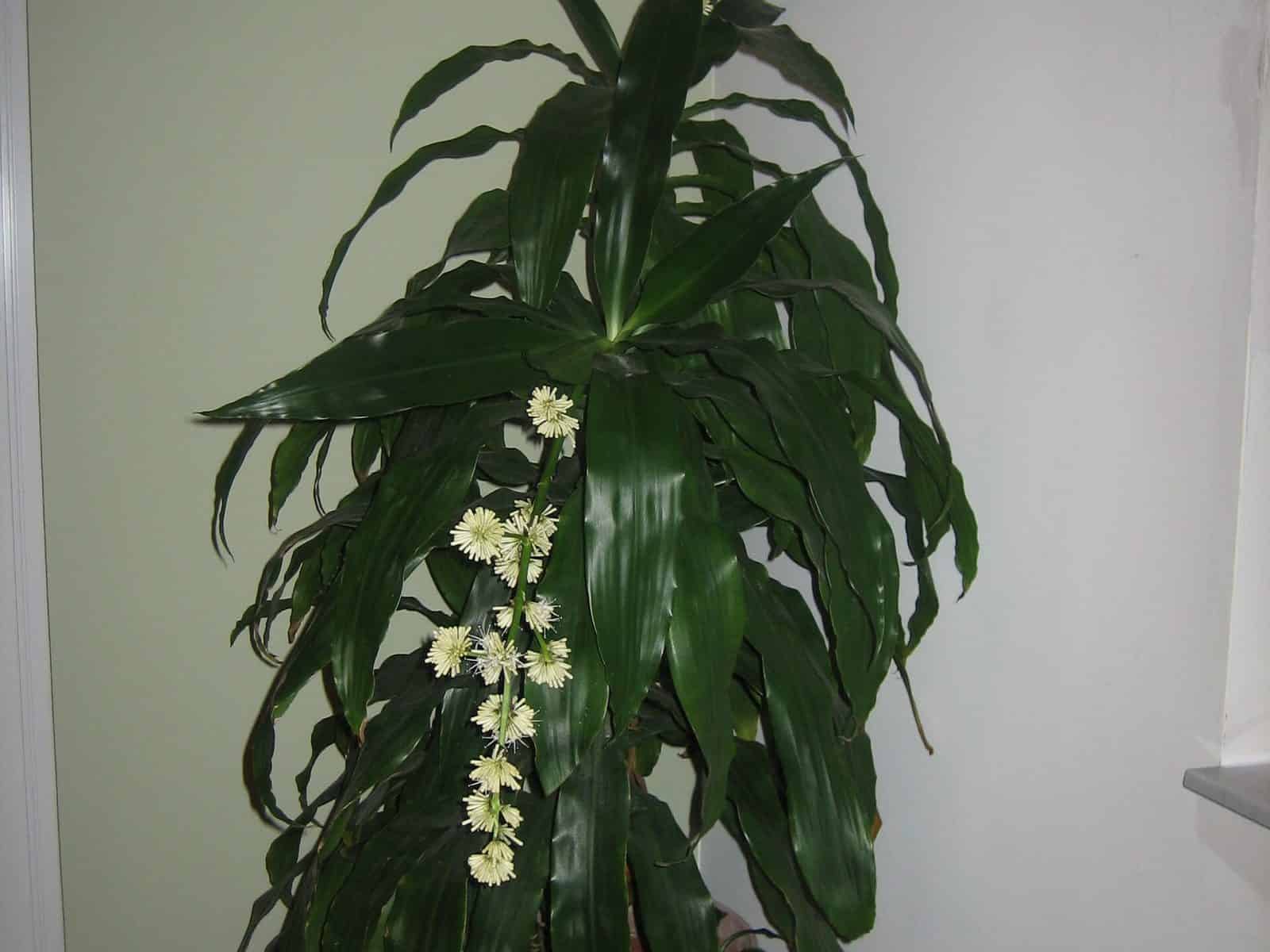
Dracaena Janet Craig
Dracaena fragrans 'Janet Craig'
Dracaena fragrans 'Janet Craig' is the classic commercial dracaena: broad, arching, solid dark green leaves in rosette clusters up a cane, with no variegation to lose in low light — the trait that sets it apart from the chartreuse Limelight and the yellow-striped Reflexa.
View care guide
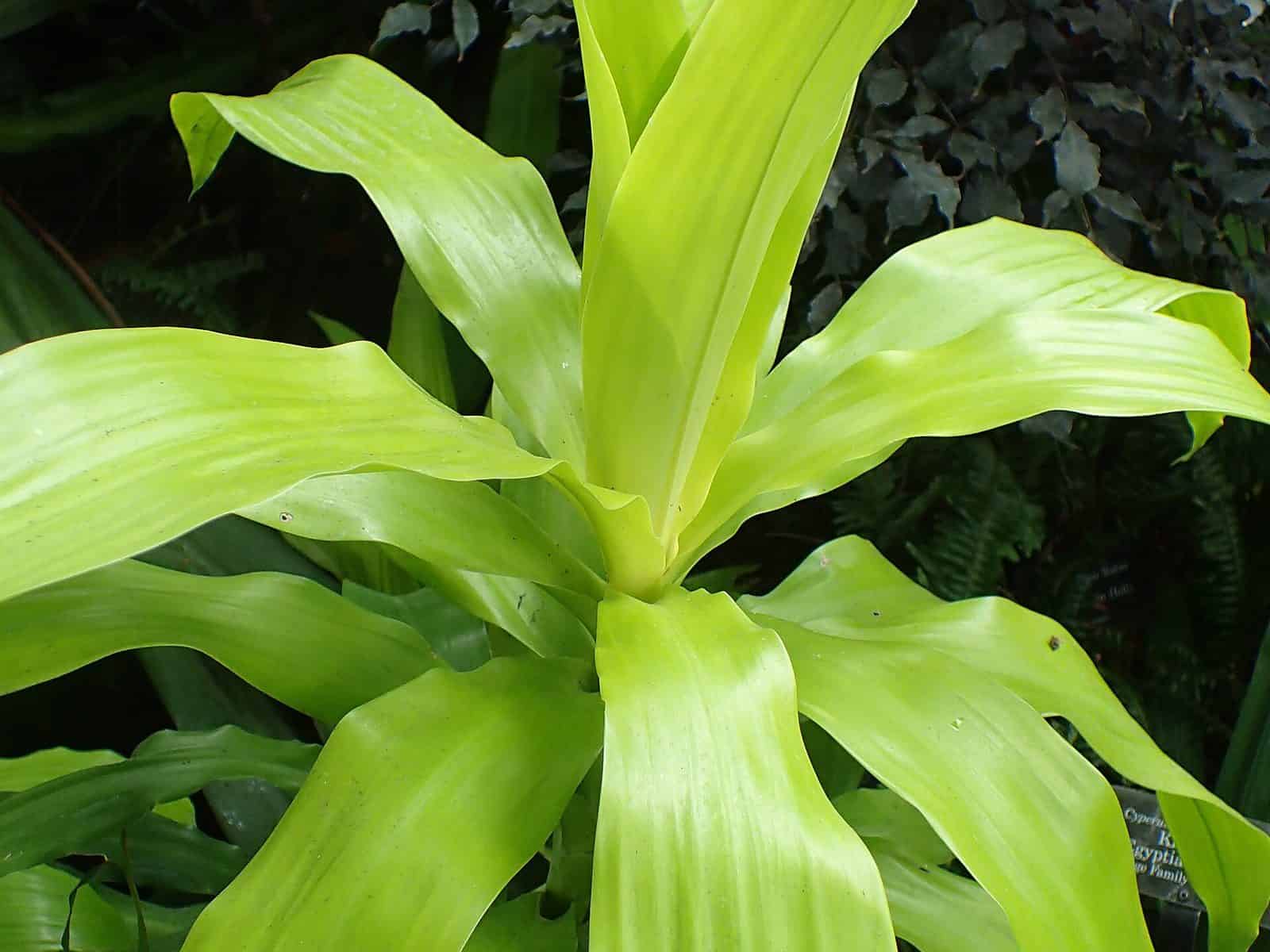
Dracaena Limelight
Dracaena fragrans 'Limelight'
Dracaena fragrans 'Limelight' carries the same broad, arching cane-and-leaf form as Janet Craig, but in chartreuse to lime-green rather than dark green — the colour is the giveaway, and it's brightest on new growth, deepening as leaves mature.
View care guide

Dracaena Tarzan
Dracaena marginata 'Tarzan'
Dracaena marginata 'Tarzan' looks nothing like the fragrans-type dracaenas Benji's installs elsewhere in an office — it grows on thin woody canes topped with dense, spiky rosettes of broad, dark leaves, a stiffer and stockier take on the classic Marginata form.
View care guide
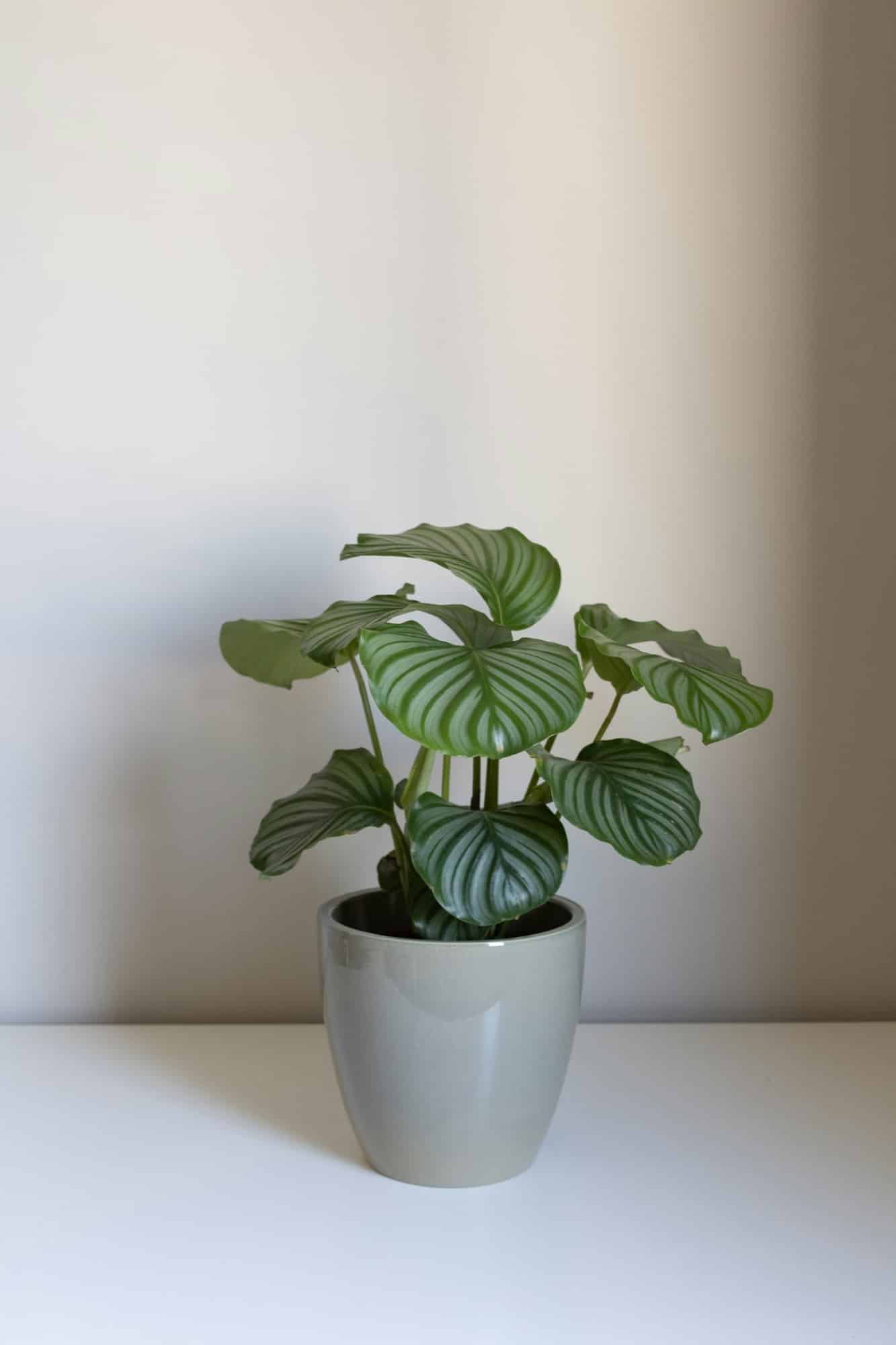
Calathea
Calathea orbifolia / Calathea medallion / Calathea lancifolia
Calatheas are native to the tropical rainforests of South America and are renowned for their extraordinarily patterned leaves — deep greens, silvers, purples, and creams arranged in geometric patterns that look hand-painted.
View care guide
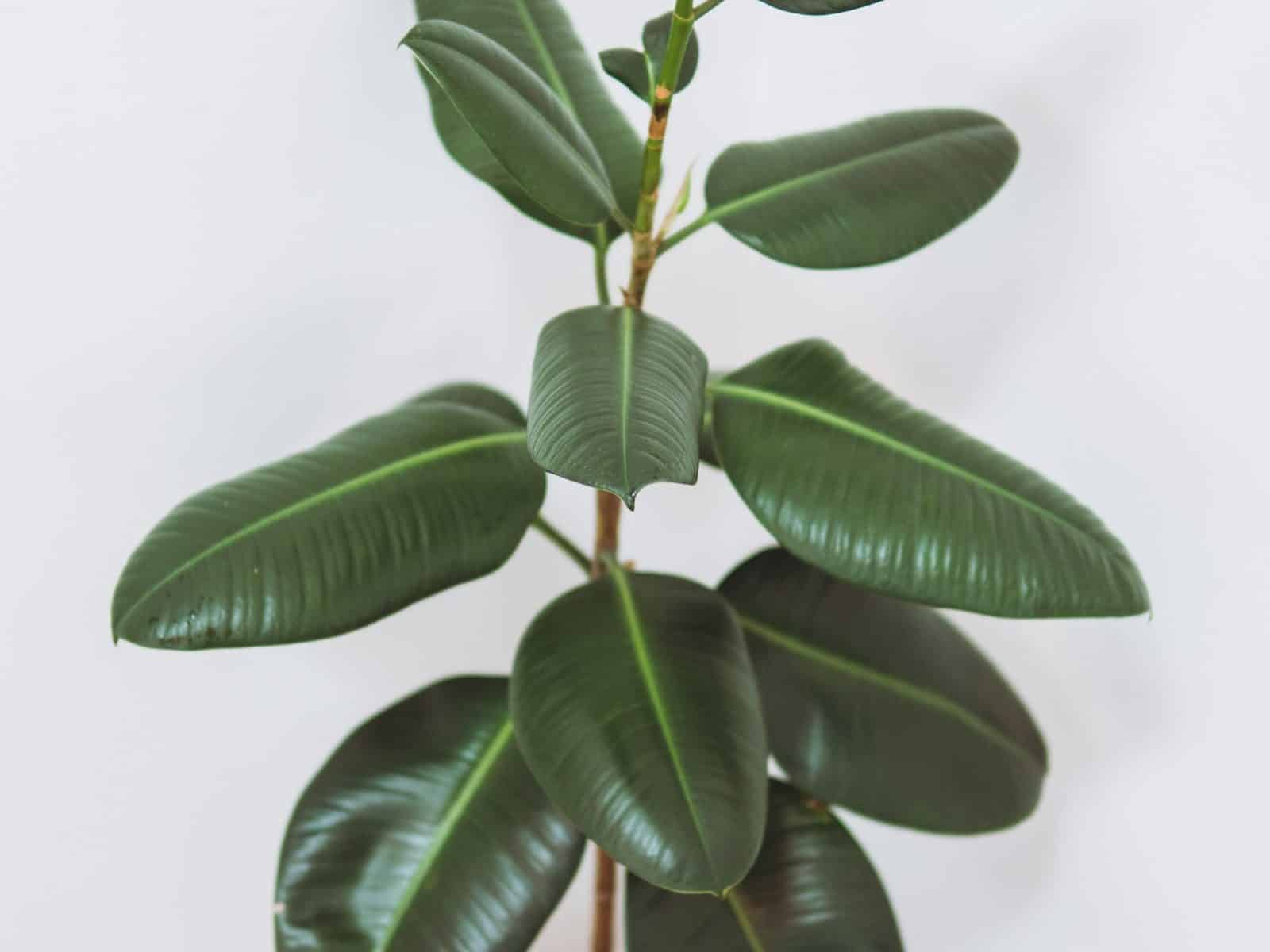
Ficus Elastica
Ficus elastica
Ficus elastica, the rubber plant, is instantly recognisable by its thick, glossy, leathery oval leaves, which can reach 20–30cm long on an upright, tree-like frame.
View care guide
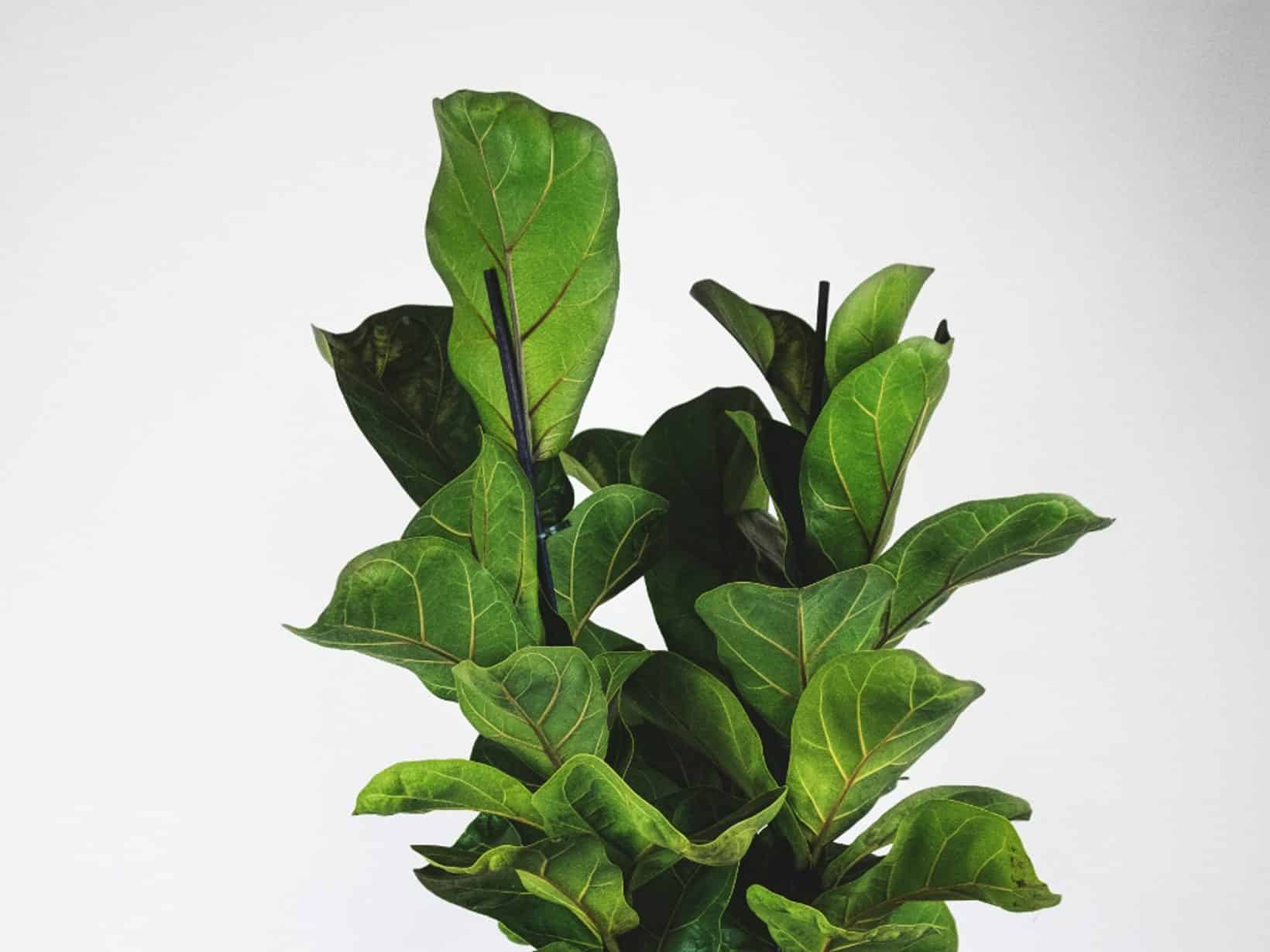
Ficus Lyrata
Ficus lyrata
The fiddle leaf fig, botanically Ficus lyrata, is easy to pick out from other ficus: it grows very large, stiff, violin-shaped leaves — 20–38cm (8–15 inches) long — with heavy pale veining across a glossy dark green surface, a much bolder leaf than the smaller, softer foliage of the weeping fig or rubber plant.
View care guide
Ficus Benjamina
Ficus benjamina
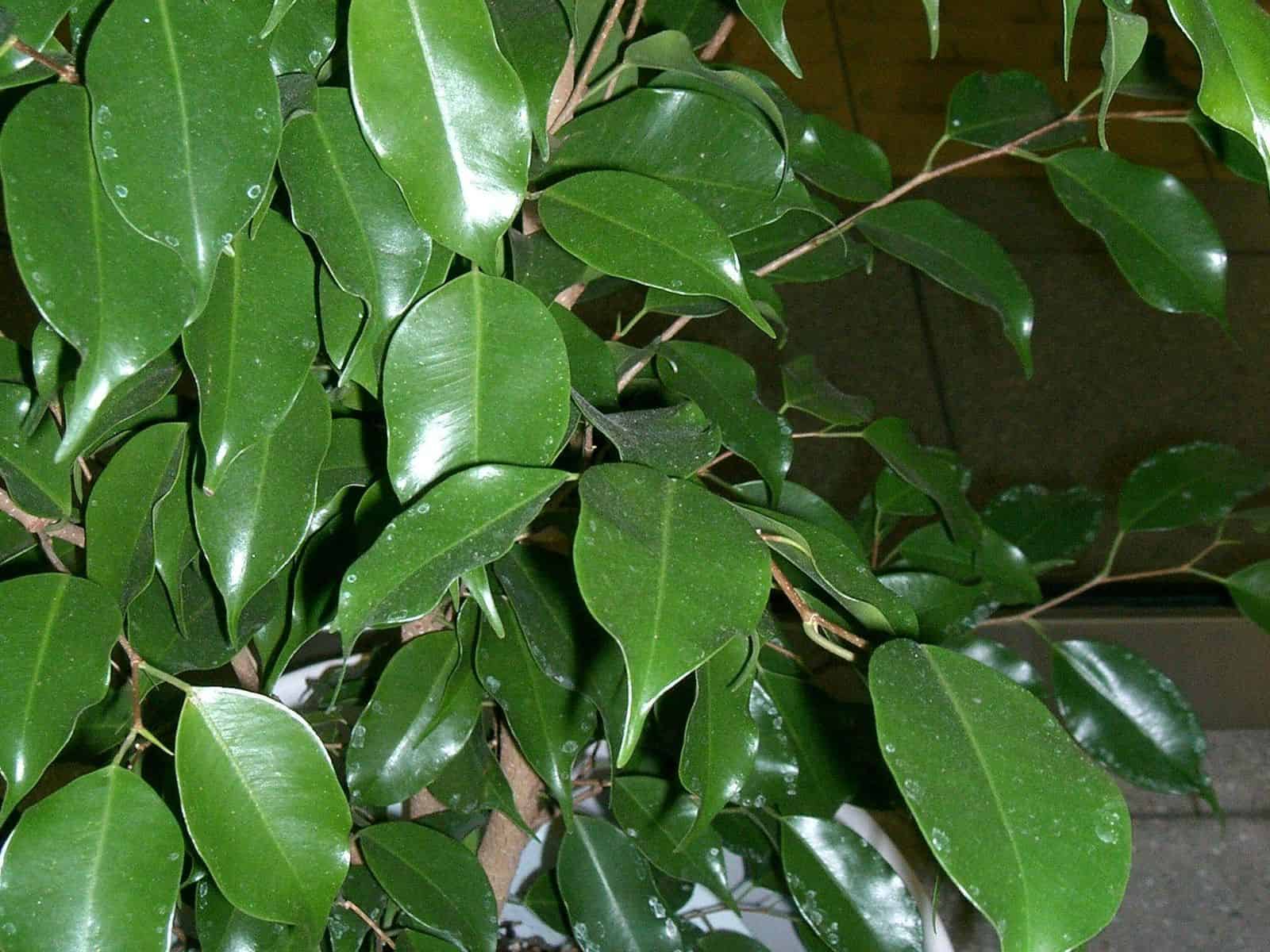
Ficus benjamina, commonly called the weeping fig, is a woody-trunked tree with a dense, drooping canopy of small, pointed, glossy leaves on fine, arching branches.
View care guide

ZZ Plant
Zamioculcas zamiifolia
The ZZ plant, formally Zamioculcas zamiifolia, is a remarkable succulent-like aroid native to eastern Africa, where it evolved to survive extended droughts by storing water in its thick rhizomes.
View care guide
Spathiphyllum
Spathiphyllum wallisii
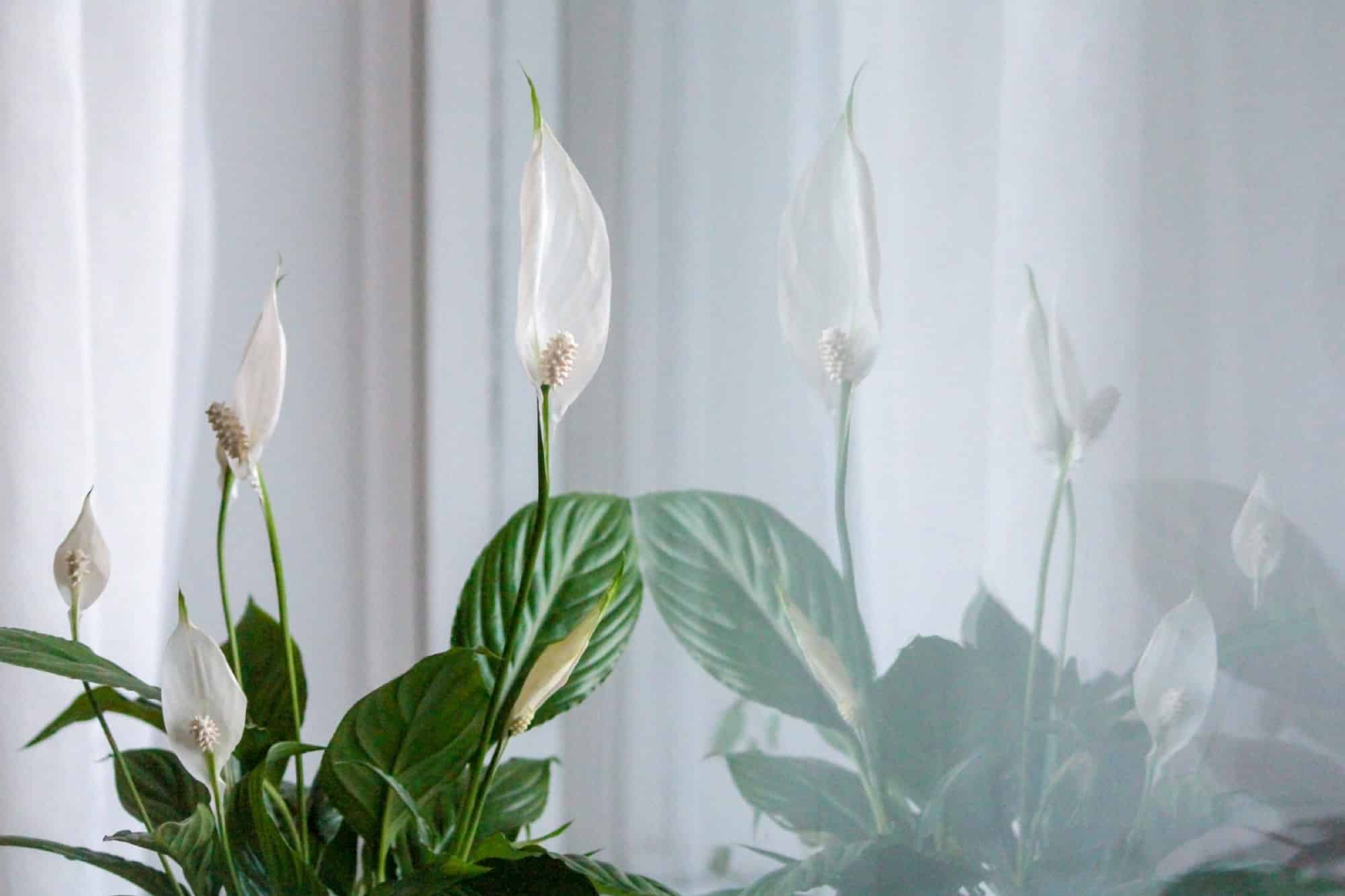
The peace lily (Spathiphyllum wallisii) is a tropical perennial from the rainforests of the Americas, known for its elegant white spathes and deep, glossy green foliage.
View care guide
Cactus Trigona
Euphorbia trigona
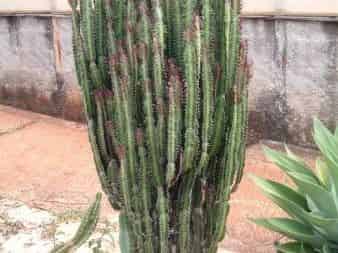
African milk tree, known botanically as Euphorbia trigona, is an upright succulent with three-sided, ridged stems that branch from the base into a candelabra-like silhouette, edged with rows of small thorns and teardrop-shaped leaves.
View care guide
Areca Palm
Dypsis lutescens
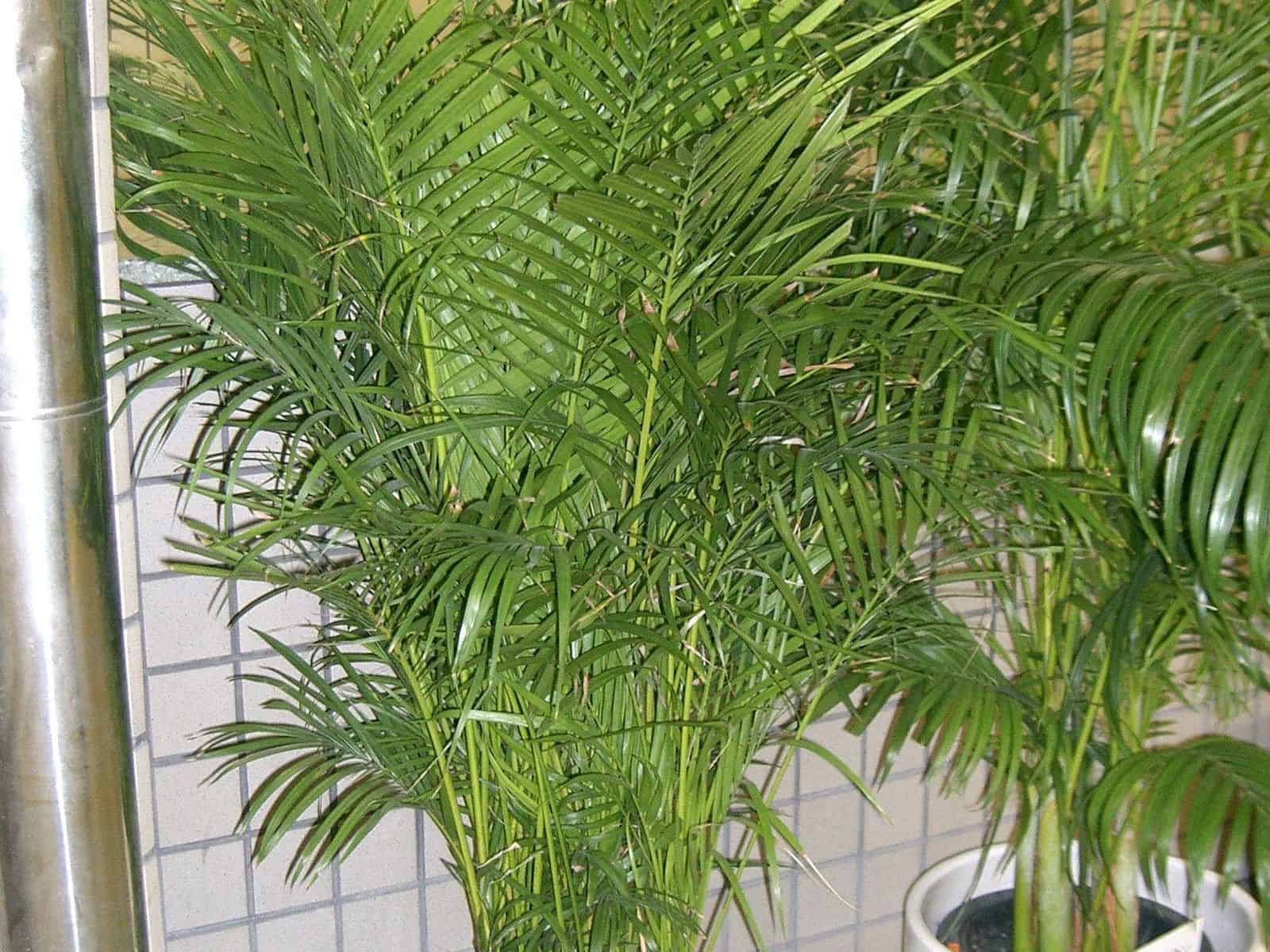
Areca palm, or Dypsis lutescens, is a clumping, multi-stemmed palm with golden-yellow canes and feathery, arching fronds that fan out from the base.
View care guide
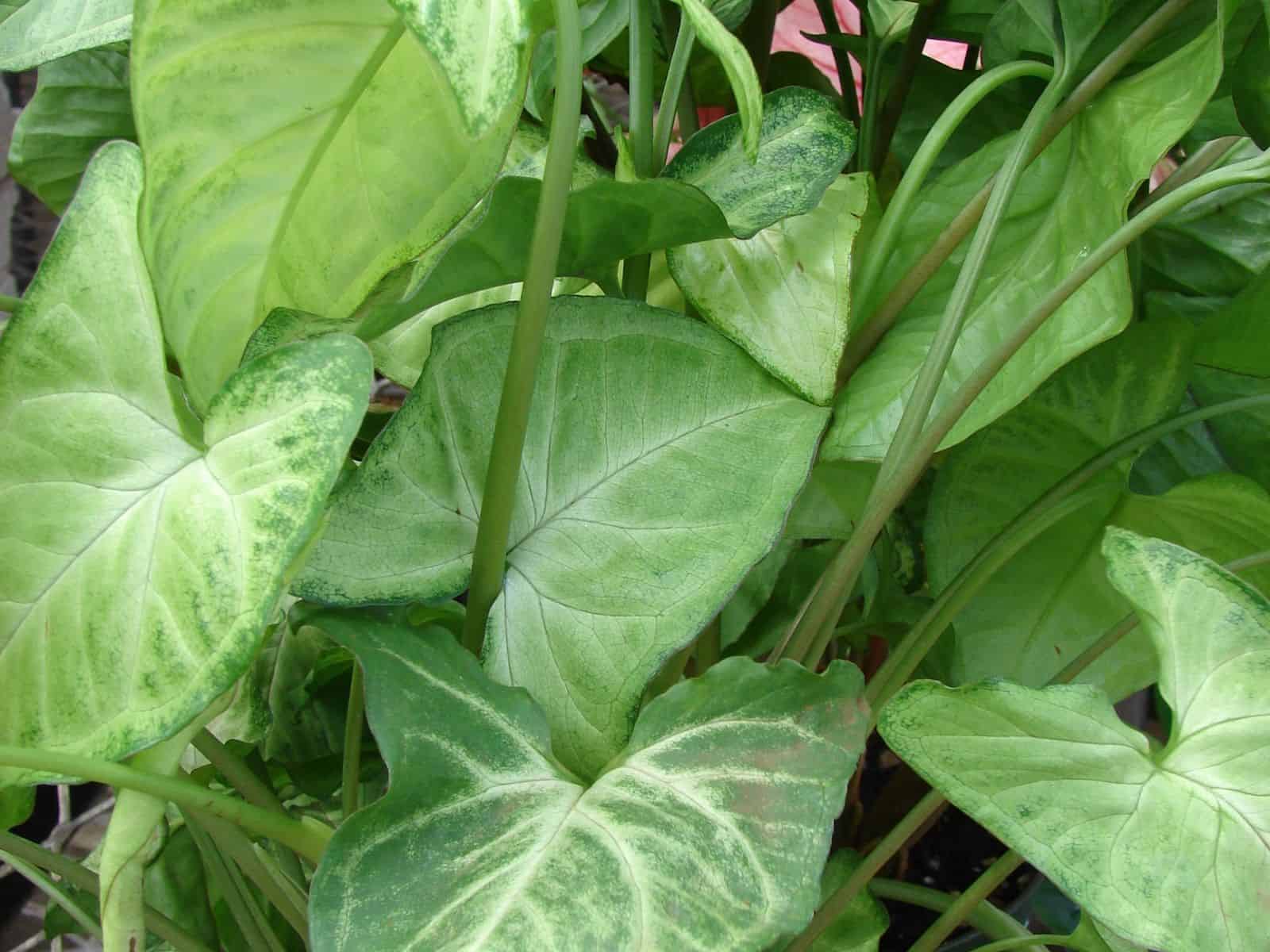
Arrowhead Plant
Syngonium podophyllum
Syngonium podophyllum, better known as arrowhead plant, starts out with compact, arrow-shaped leaves that mature into larger, lobed foliage as the vine trails or climbs.
View care guide
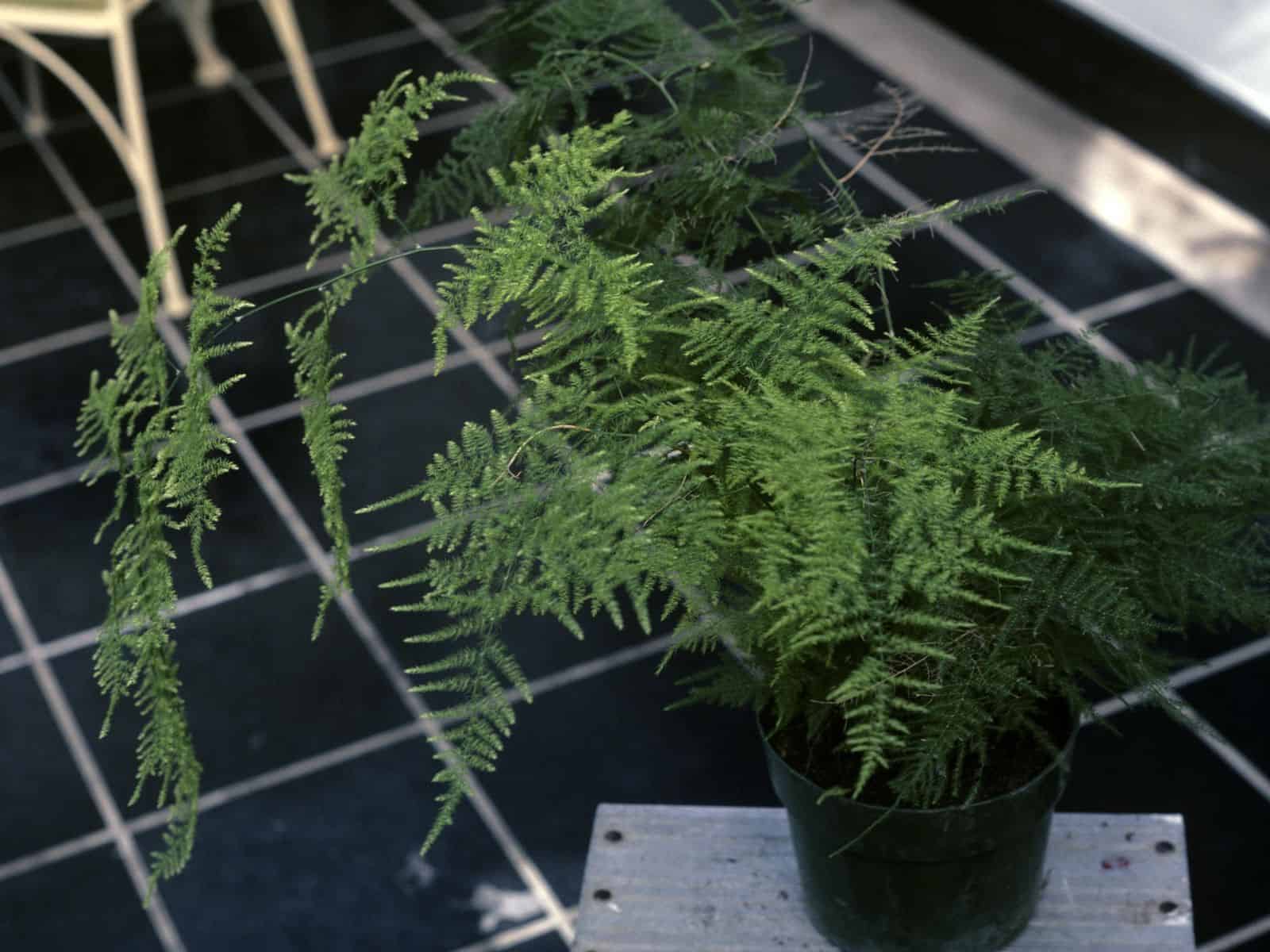
Asparagus Fern
Asparagus setaceus
Asparagus fern isn't a true fern — it's a feathery, finely divided foliage plant on wiry stems that trail or climb with support.
View care guide
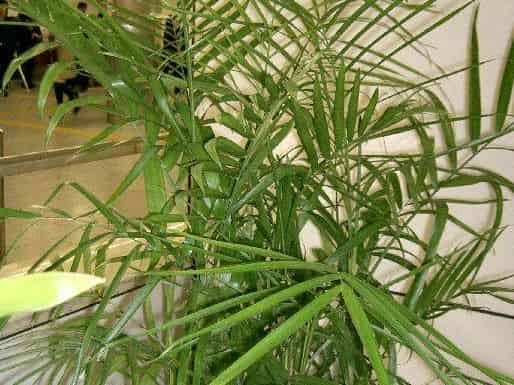
Seifrizzi Palm
Chamaedorea seifrizii
Known botanically as Chamaedorea seifrizii, bamboo palm is a clumping palm with thin, reed-like stems and feathery fronds, typically reaching 4–8ft.
View care guide
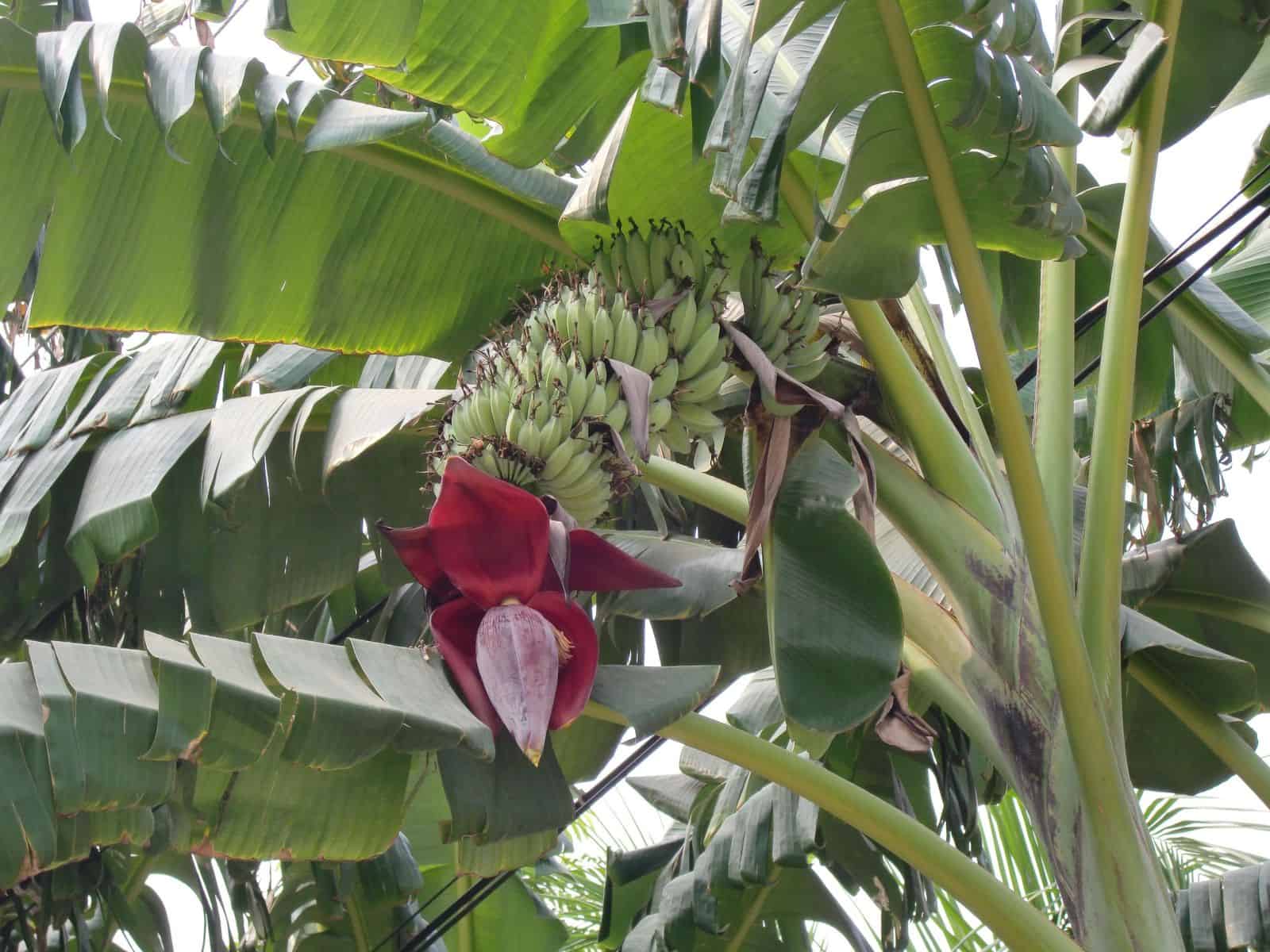
Banana Plant
Musa
Banana plant, genus Musa, produces large, paddle-shaped leaves from a central pseudostem, with the compact 'Dwarf Cavendish' variety being the most practical choice indoors.
View care guide
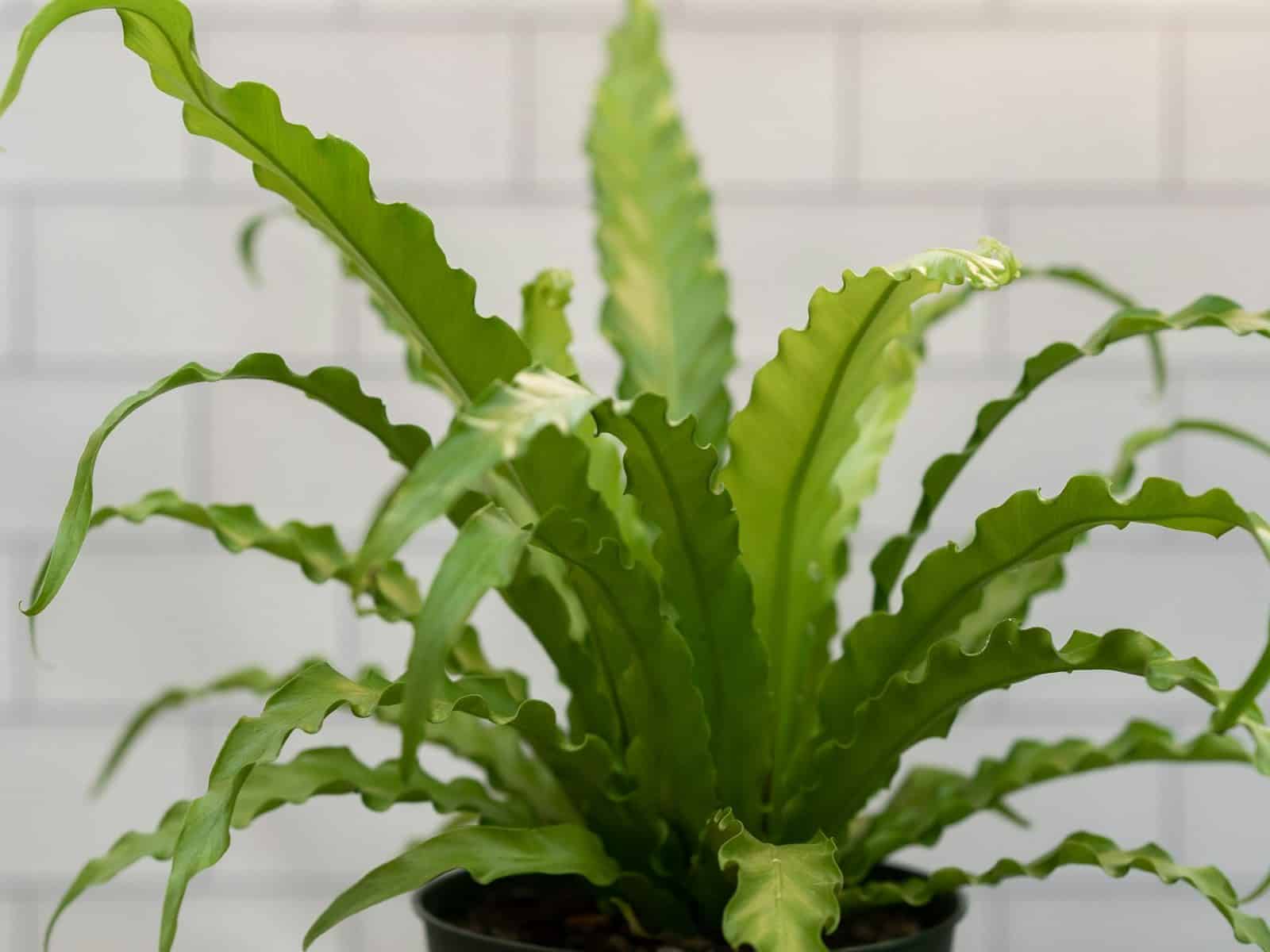
Bird's Nest Fern
Asplenium nidus
Bird's nest fern, Asplenium nidus, grows as a rosette of broad, undivided, glossy green fronds with a distinctive wavy edge, reaching 30–60cm across.
View care guide
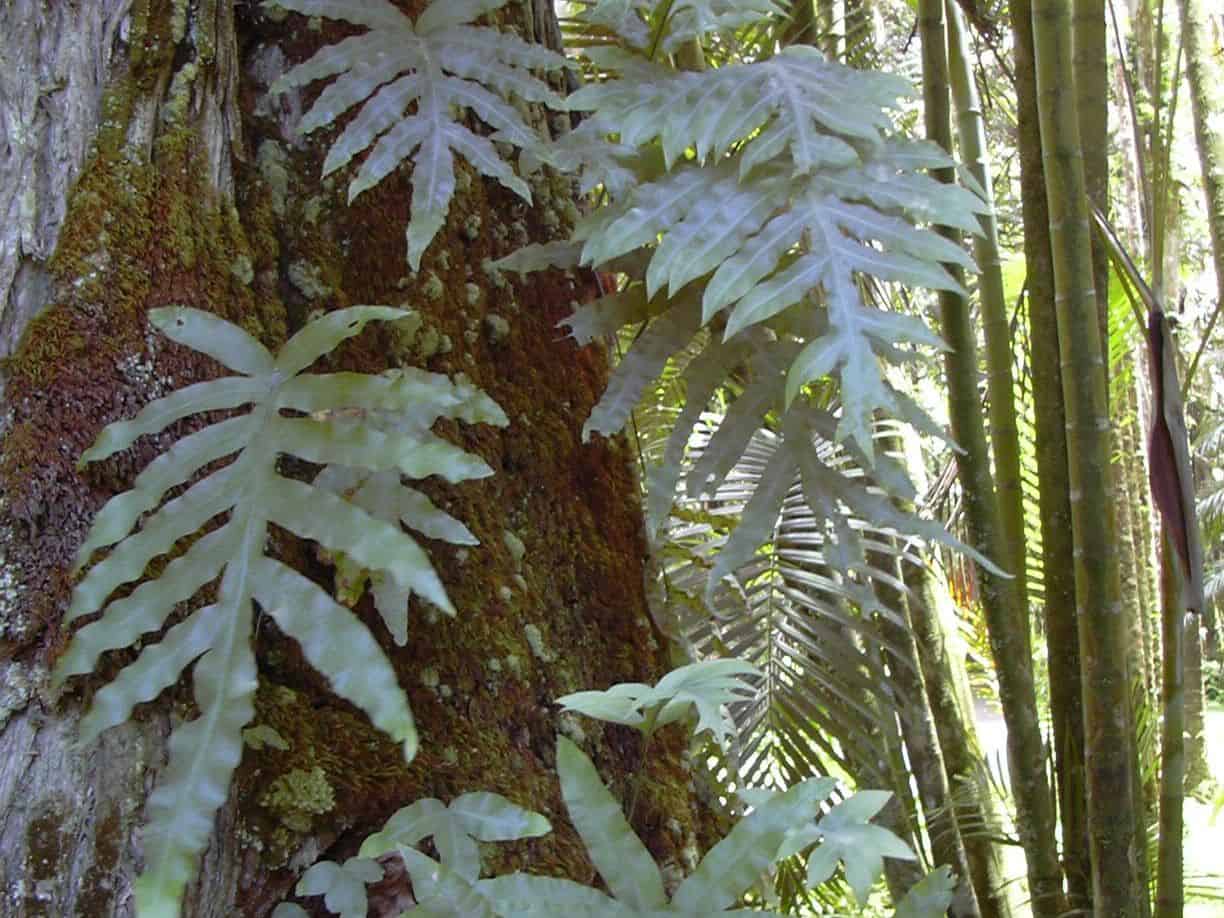
Blue Star Fern
Phlebodium aureum
Phlebodium aureum, commonly known as blue star fern, has arching, deeply lobed, blue-grey fronds that grow from a fuzzy, golden-brown rhizome creeping along the soil surface.
View care guide
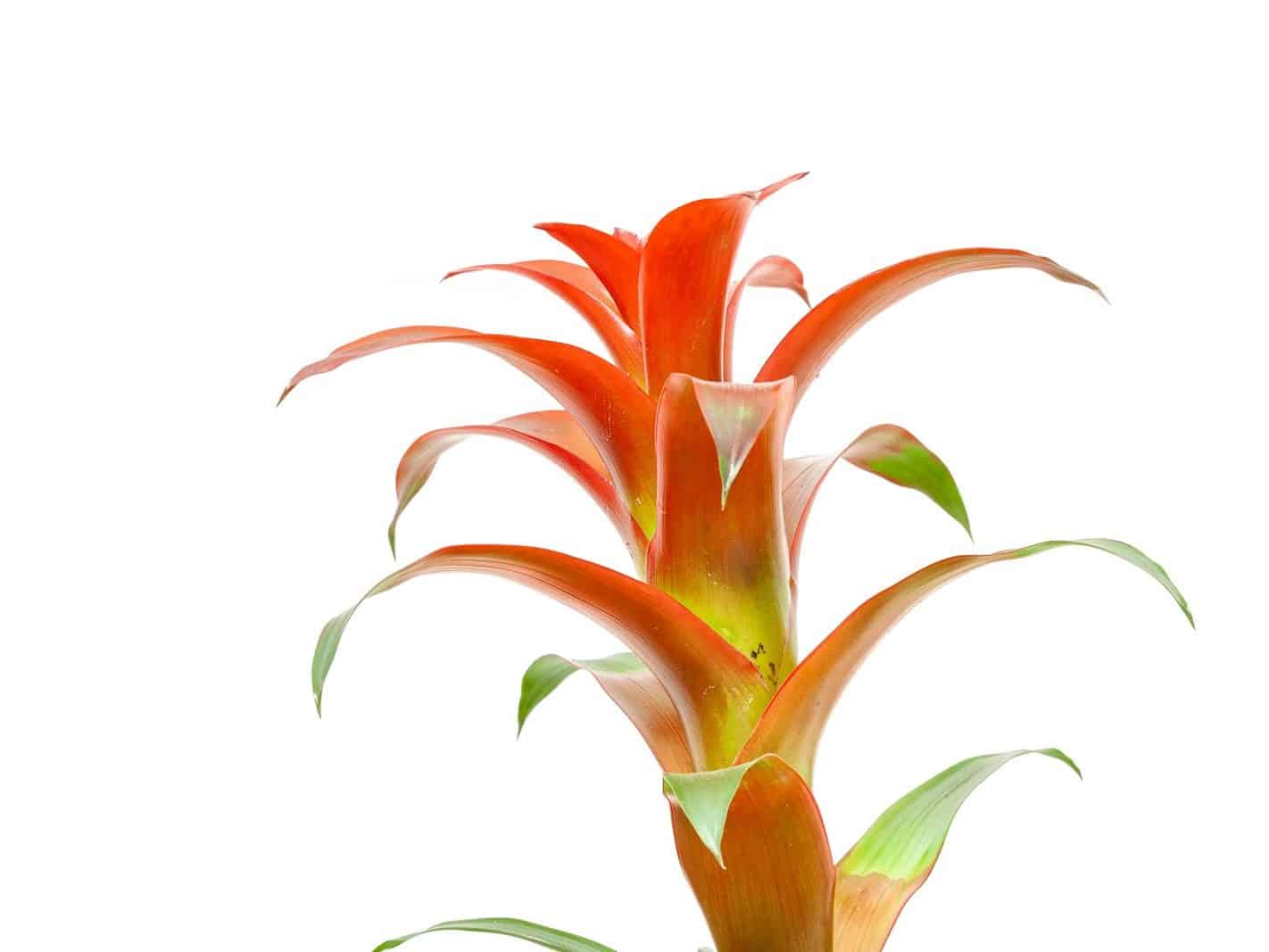
Guzmania
Guzmania lingulata
Bromeliad brings compact rosettes of foliage topped by a long-lasting, brightly coloured bract — often mistaken for a flower — in red, orange, or yellow.
View care guide
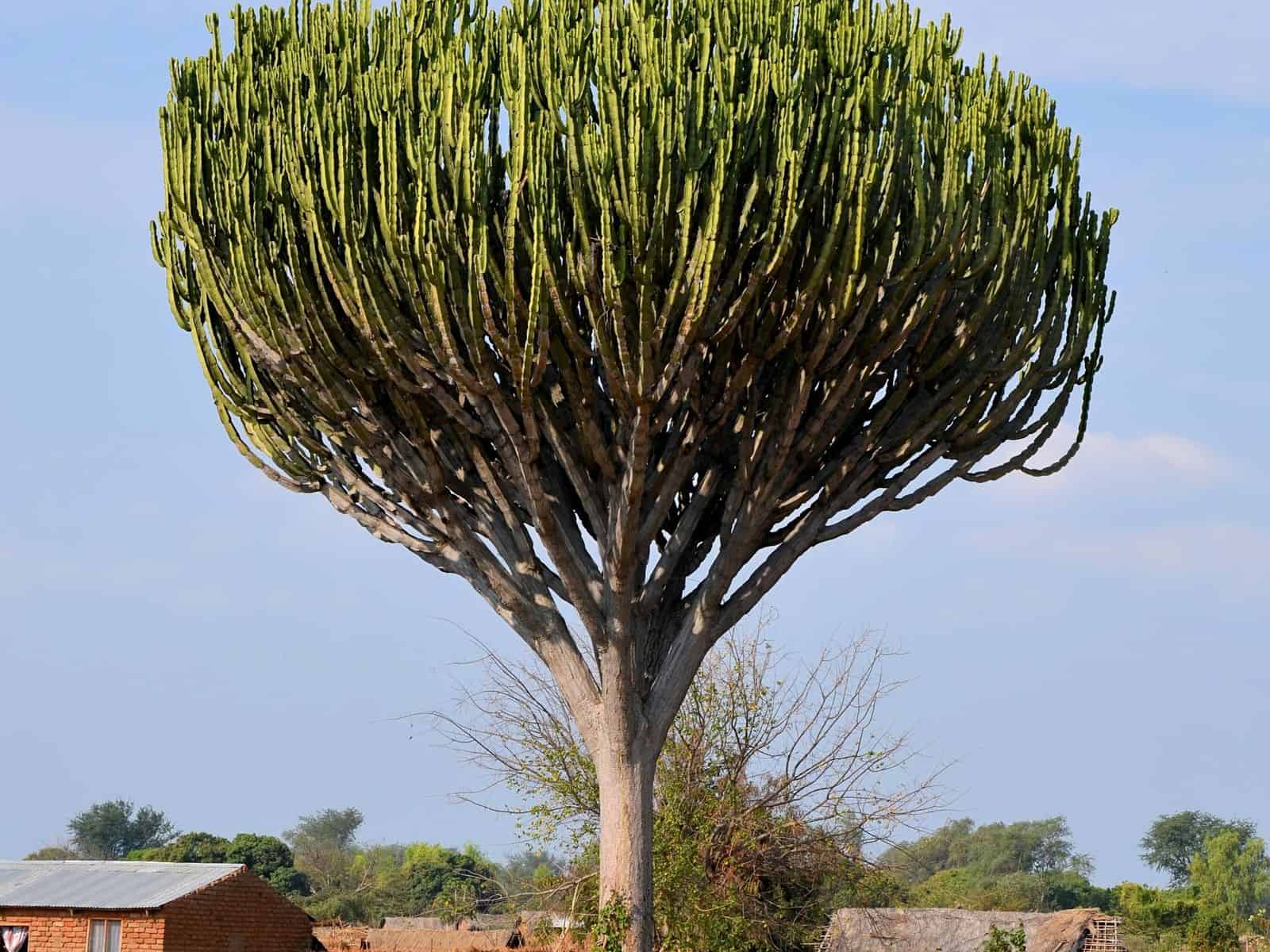
Candelabra Cactus
Euphorbia ingens
Candelabra cactus, Euphorbia ingens, is a large, tree-like succulent with ribbed, segmented branching stems that fan out like a candelabra, reaching 6–10ft indoors.
View care guide
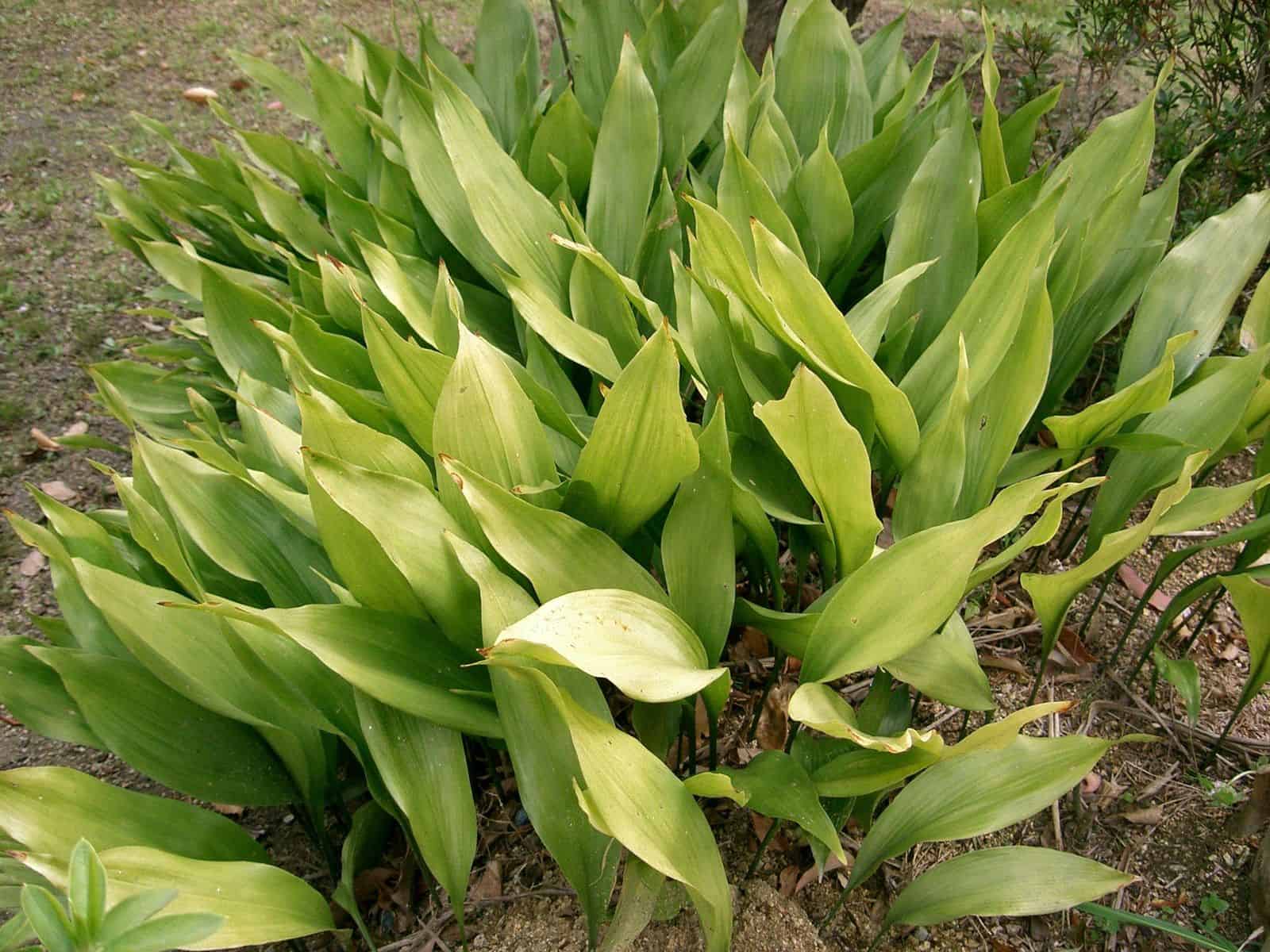
Aspidistra
Aspidistra elatior
The cast iron plant (Aspidistra elatior) grows dark green, strap-like leaves in a slow-spreading clump from a rhizome, reaching 1.
View care guide
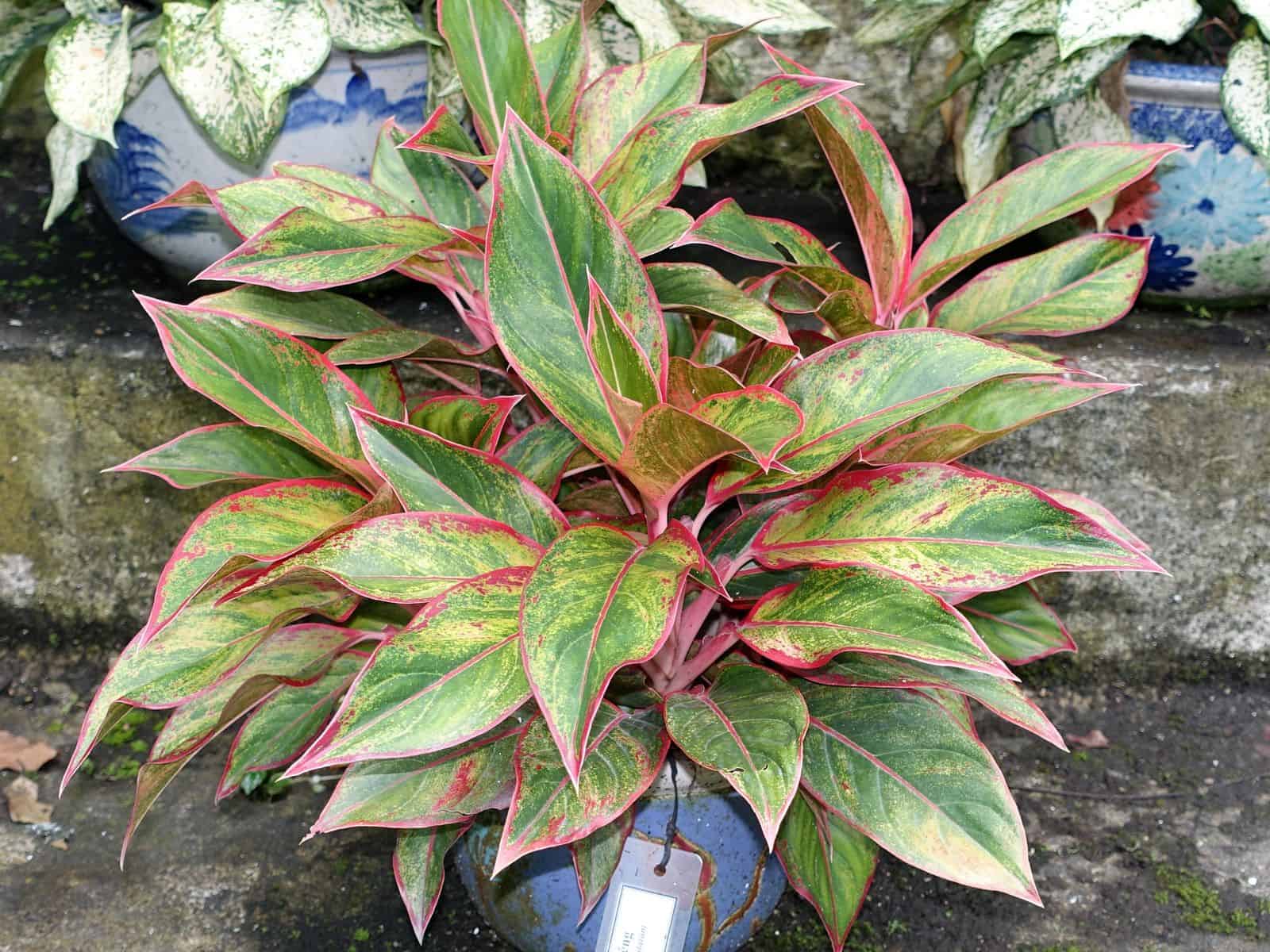
Aglaonema
Aglaonema
Chinese Evergreen, part of the Aglaonema genus, is a compact, clumping tropical plant with broad, patterned leaves that stay a manageable one to three feet tall.
View care guide
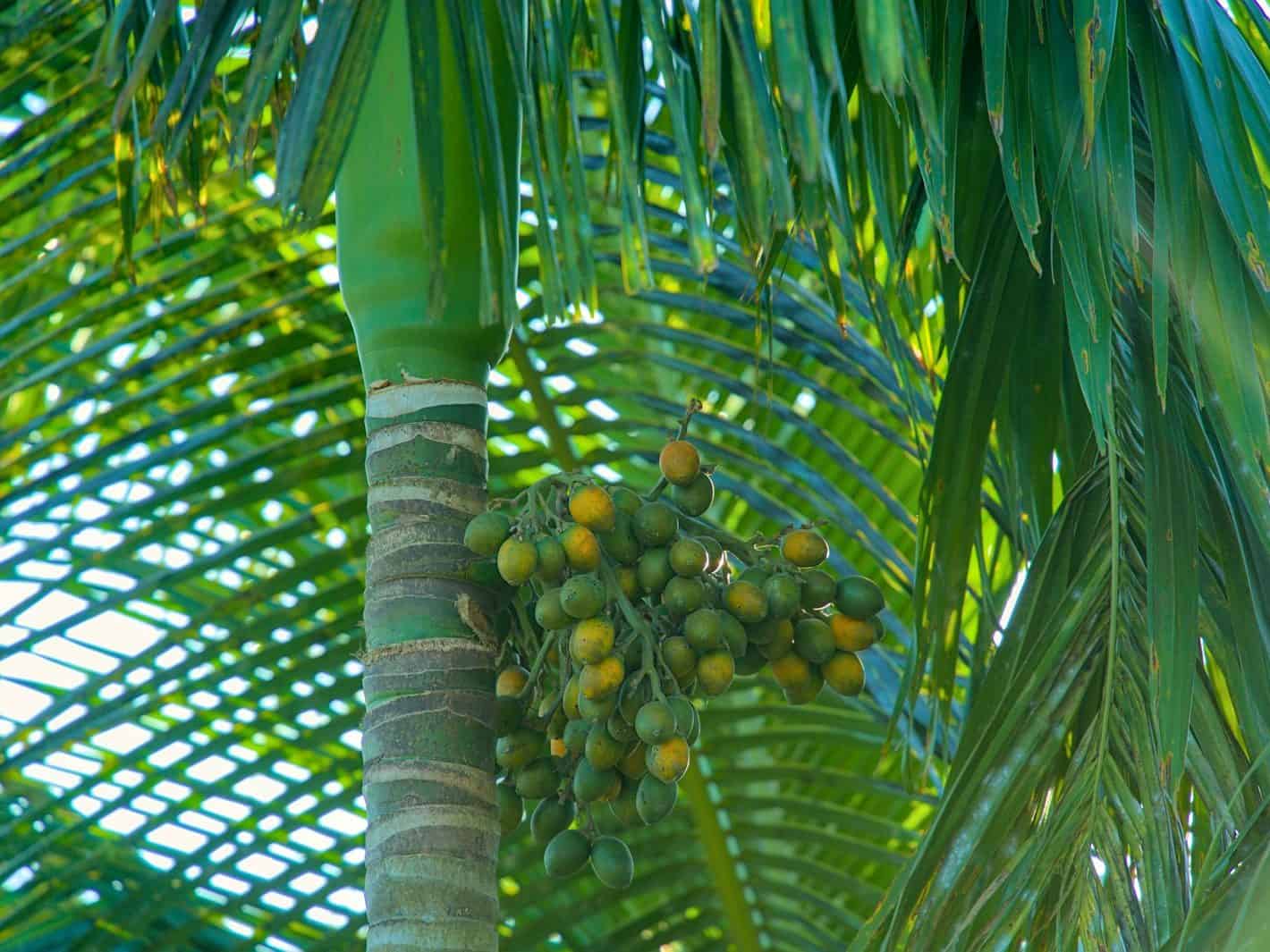
Christmas Palm
Adonidia merrillii
Christmas Palm, known to botanists as Adonidia merrillii, is a single-trunk palm with a smooth green crownshaft and gracefully arching, feathery fronds.
View care guide
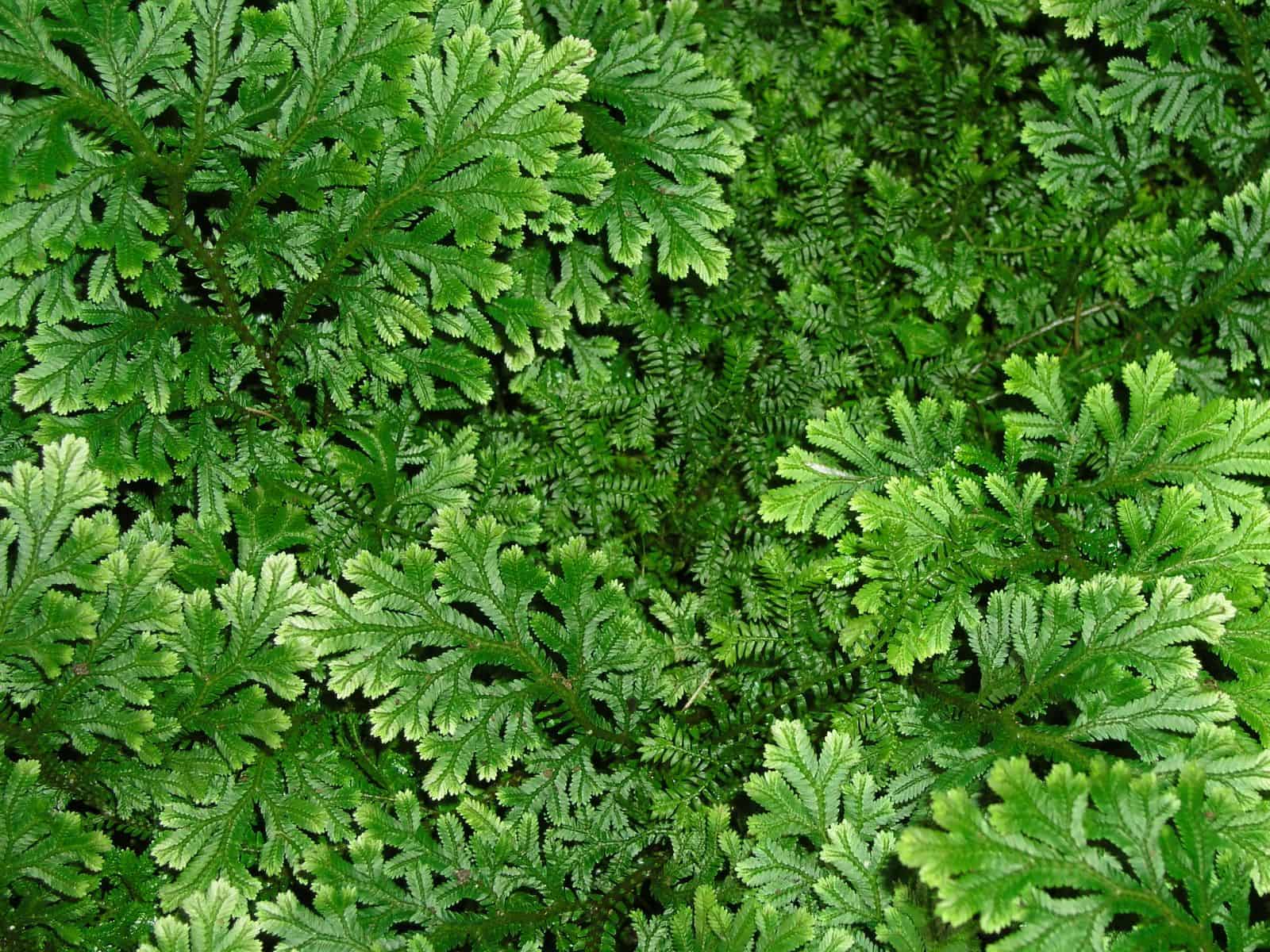
Club Moss
Selaginella
Club Moss, of the genus Selaginella, is a low, creeping ground cover with delicate, scale-like foliage on branching stems that resemble a miniature conifer.
View care guide
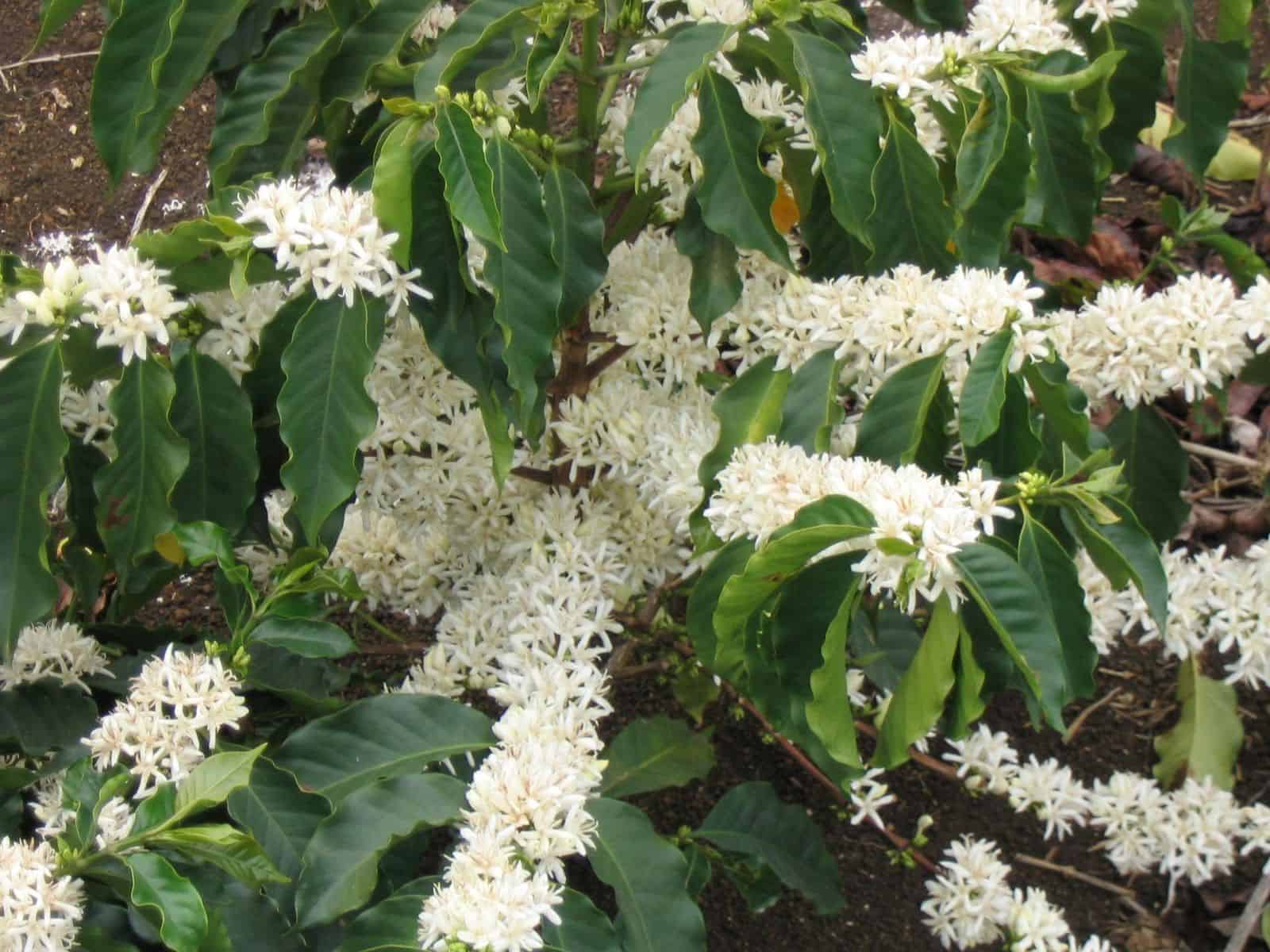
Coffee Plant
Coffea arabica
Coffee Plant, Coffea arabica, is a bushy, upright shrub with glossy, dark green leaves that have a slightly corrugated texture.
View care guide
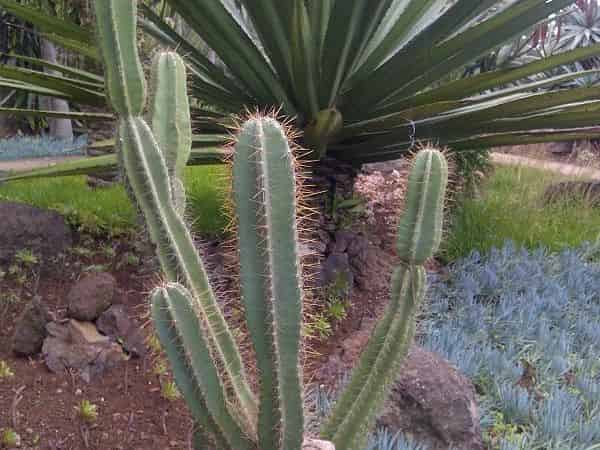
Cactus Peruvianus
Cereus repandus
Cereus repandus, commonly called the column cactus, grows as tall, upright, ribbed stems that hold a strong architectural shape for years at a time.
View care guide
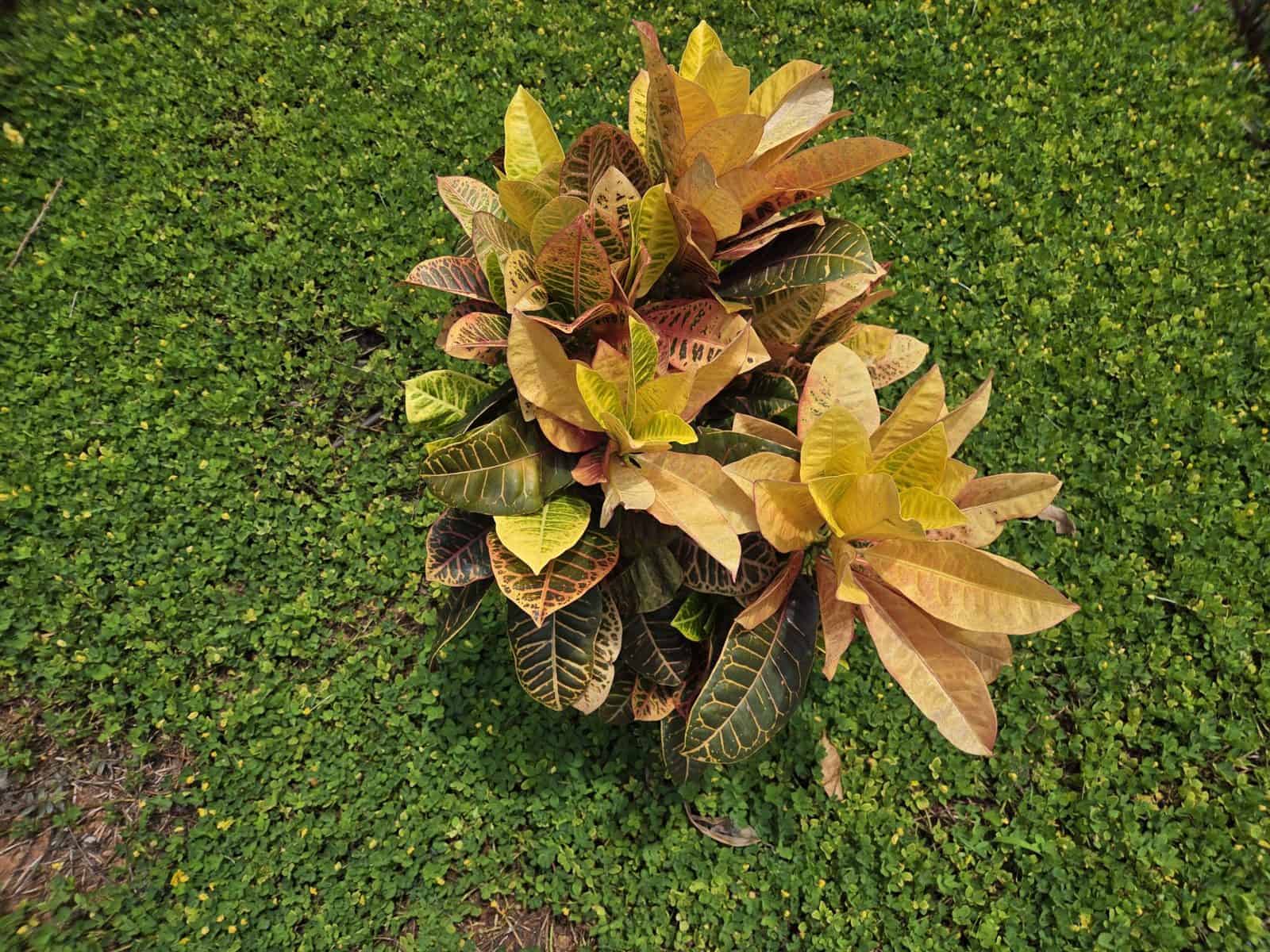
Croton
Codiaeum variegatum 'Petra'
Croton (Codiaeum variegatum 'Petra') is grown for its bold, multi-coloured leathery leaves in red, orange, yellow and green — new growth emerges plain green and develops its colour as it matures under strong light.
View care guide
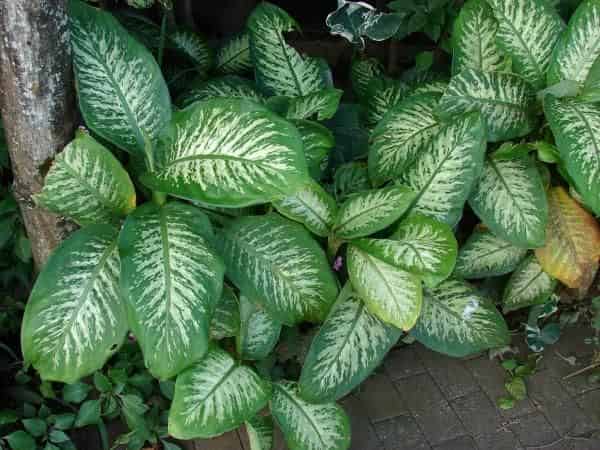
Dieffenbachia
Dieffenbachia
Dumb cane, or Dieffenbachia, is an upright, cane-forming plant with large, patterned leaves growing directly off a thick, fleshy stem.
View care guide
Schefflera Arboricola
Schefflera arboricola
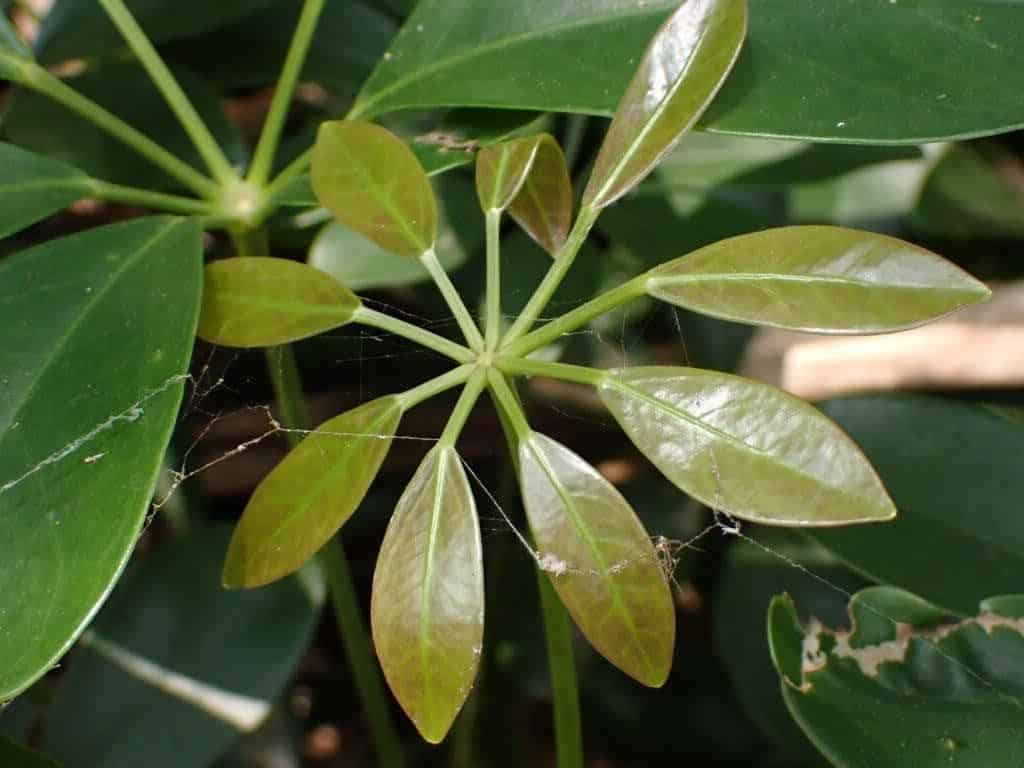
Known botanically as Schefflera arboricola, the dwarf umbrella tree is a compact, bushy tropical tree available in several forms — a rounded bush, a classic standard, a braided trunk, or a narrow column — ranging from two to five feet tall depending on the form chosen.
View care guide
Echeveria
Echeveria elegans
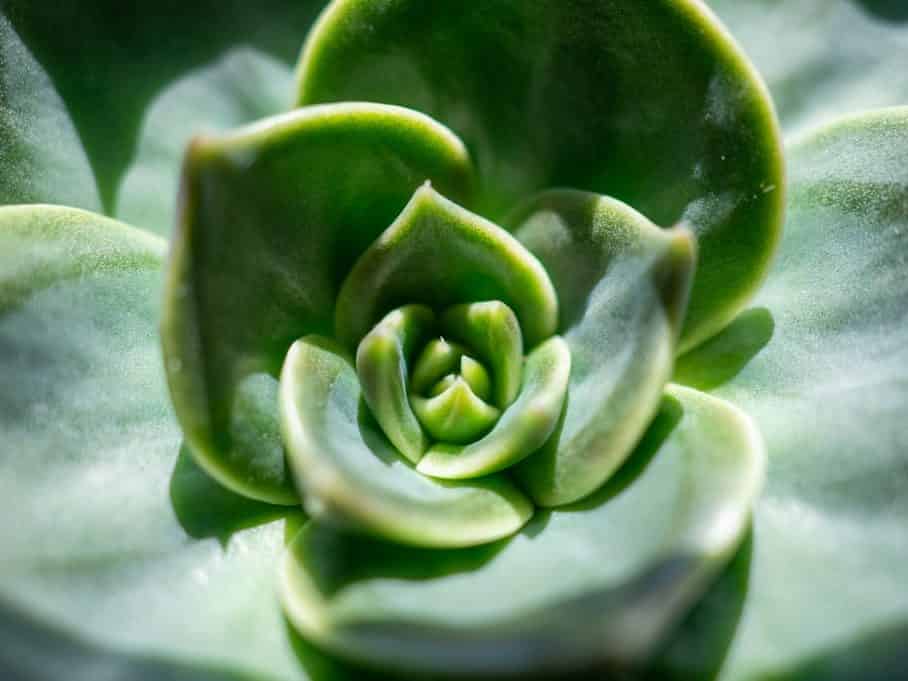
Echeveria forms a compact, symmetrical rosette of thick, waxy leaves, typically five to fifteen centimetres across.
View care guide
Alocasia
Alocasia
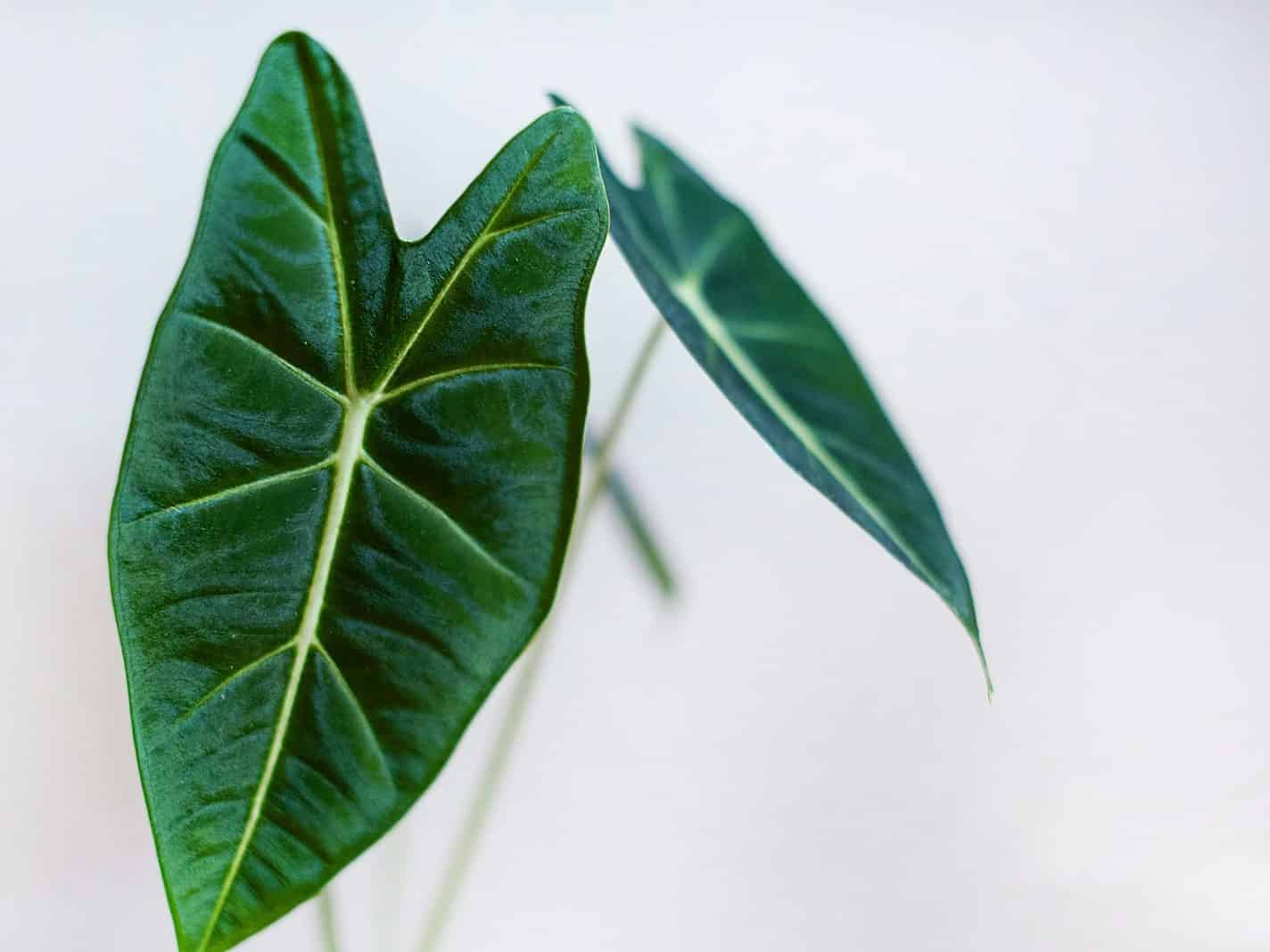
Elephant Ear has an upright habit with large, arrow or shield-shaped leaves on long stems, giving it a dramatic, sculptural presence.
View care guide
Staghorn Fern
Platycerium
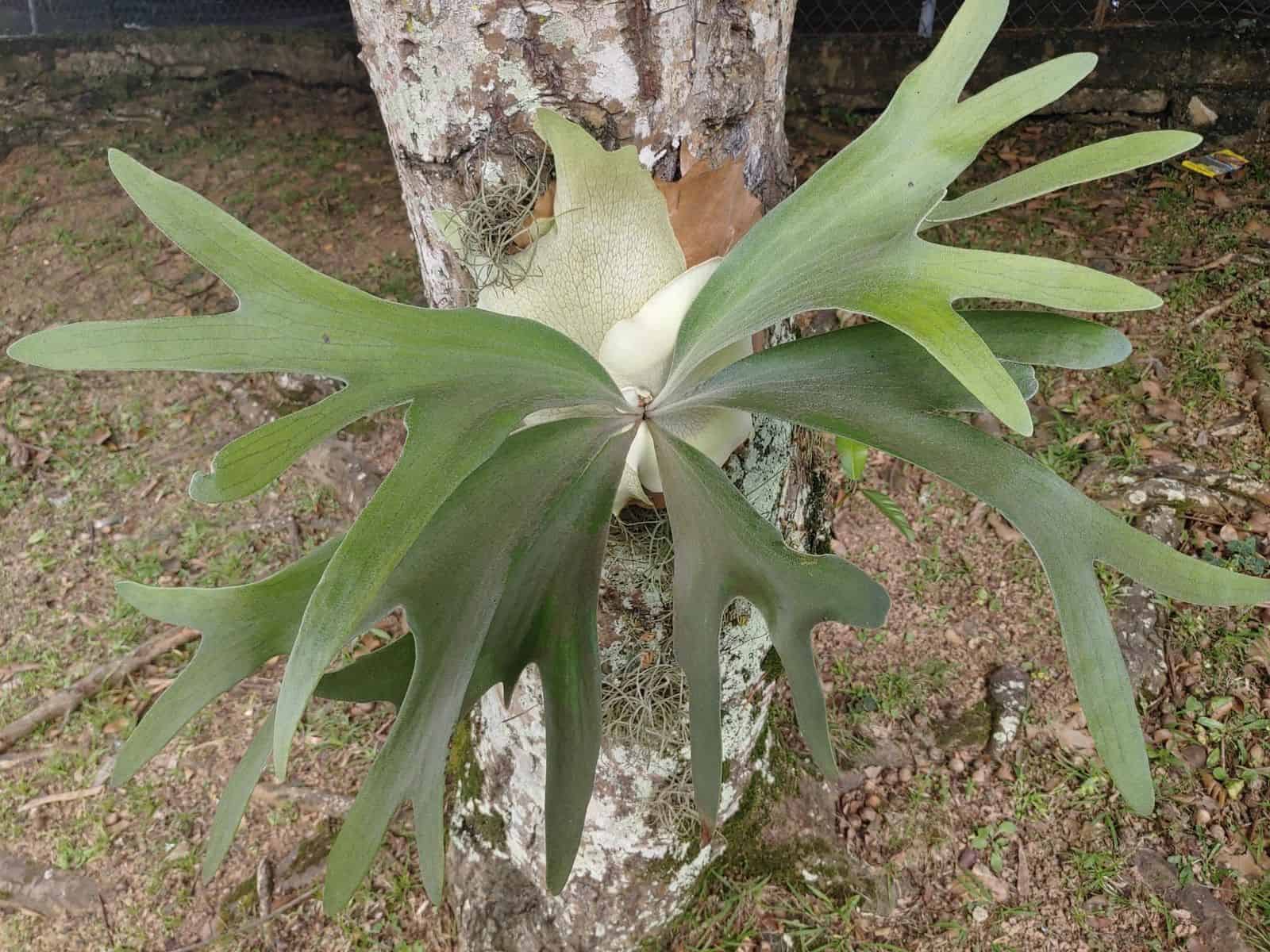
Platycerium, better known as the elkhorn or staghorn fern, is an epiphytic fern with two distinct frond types: flat, round shield fronds at the base and forked, antler-shaped fertile fronds that give the plant its name.
View care guide
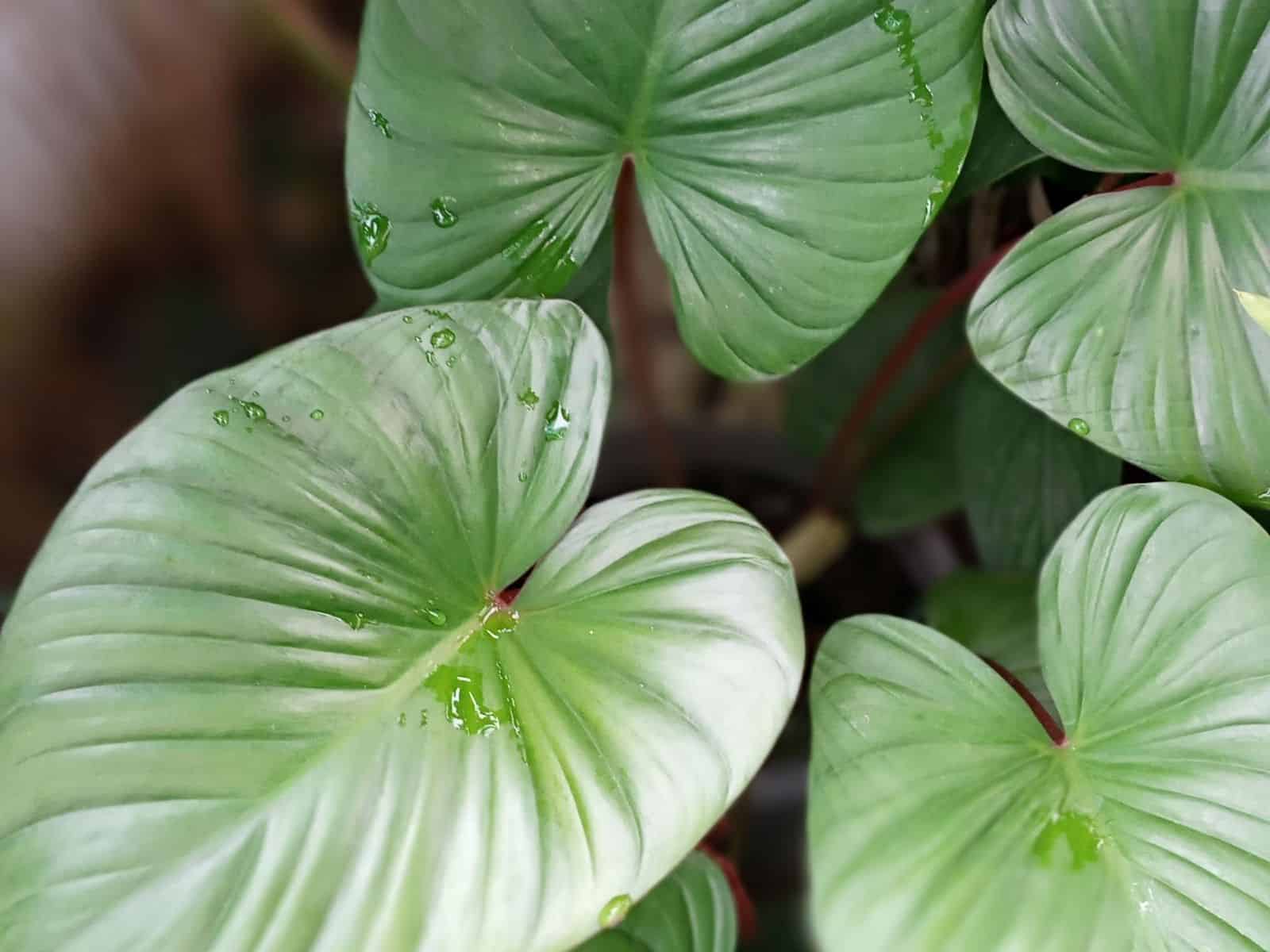
Emerald Gem
Homalomena rubescens
Emerald Gem is a clumping, upright plant with glossy, heart-shaped leaves on reddish-green petioles, staying compact at one to two feet tall.
View care guide
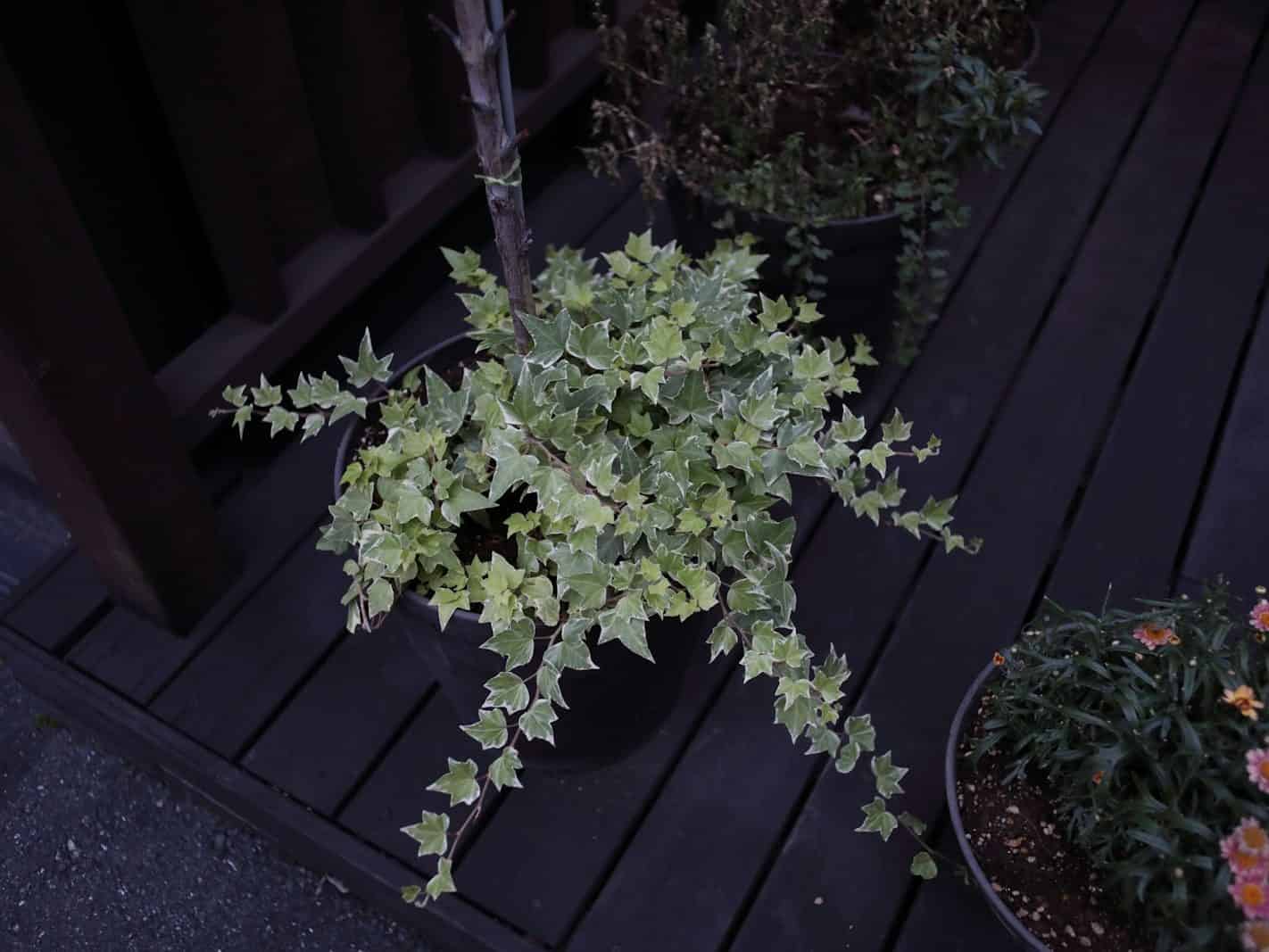
English Ivy
Hedera helix
English ivy — Hedera helix — is a vigorous trailing vine with lobed, glossy dark green leaves, available in solid green as well as variegated forms edged in white or gold.
View care guide
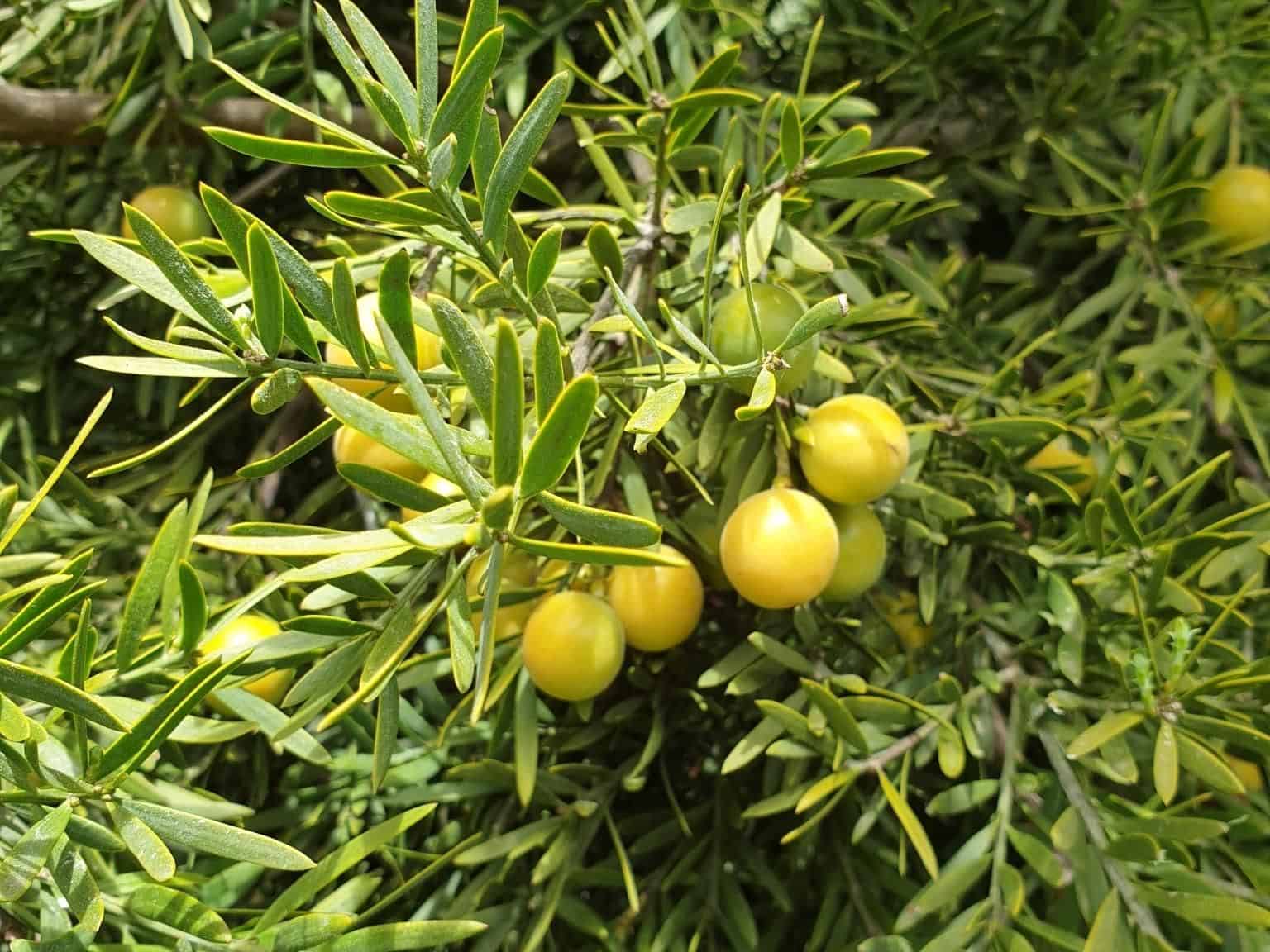
Fern Pine
Podocarpus gracilior
Podocarpus gracilior, commonly sold as fern pine, is an upright evergreen with soft, narrow, needle-like leaves on branches that droop gracefully rather than standing stiff.
View care guide
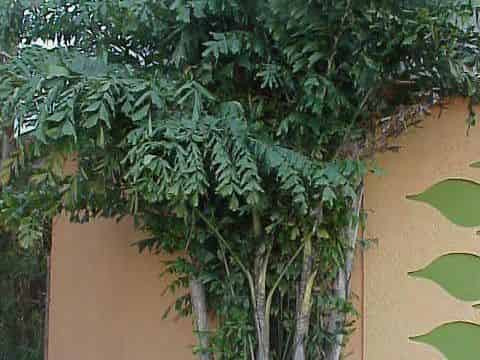
Fishtail Palm
Caryota mitis
Caryota mitis, the fishtail palm, is a clustering palm that sends up multiple stems from the base, each carrying bipinnate fronds shaped like a fish's tail rather than the feathery fronds of most indoor palms.
View care guide
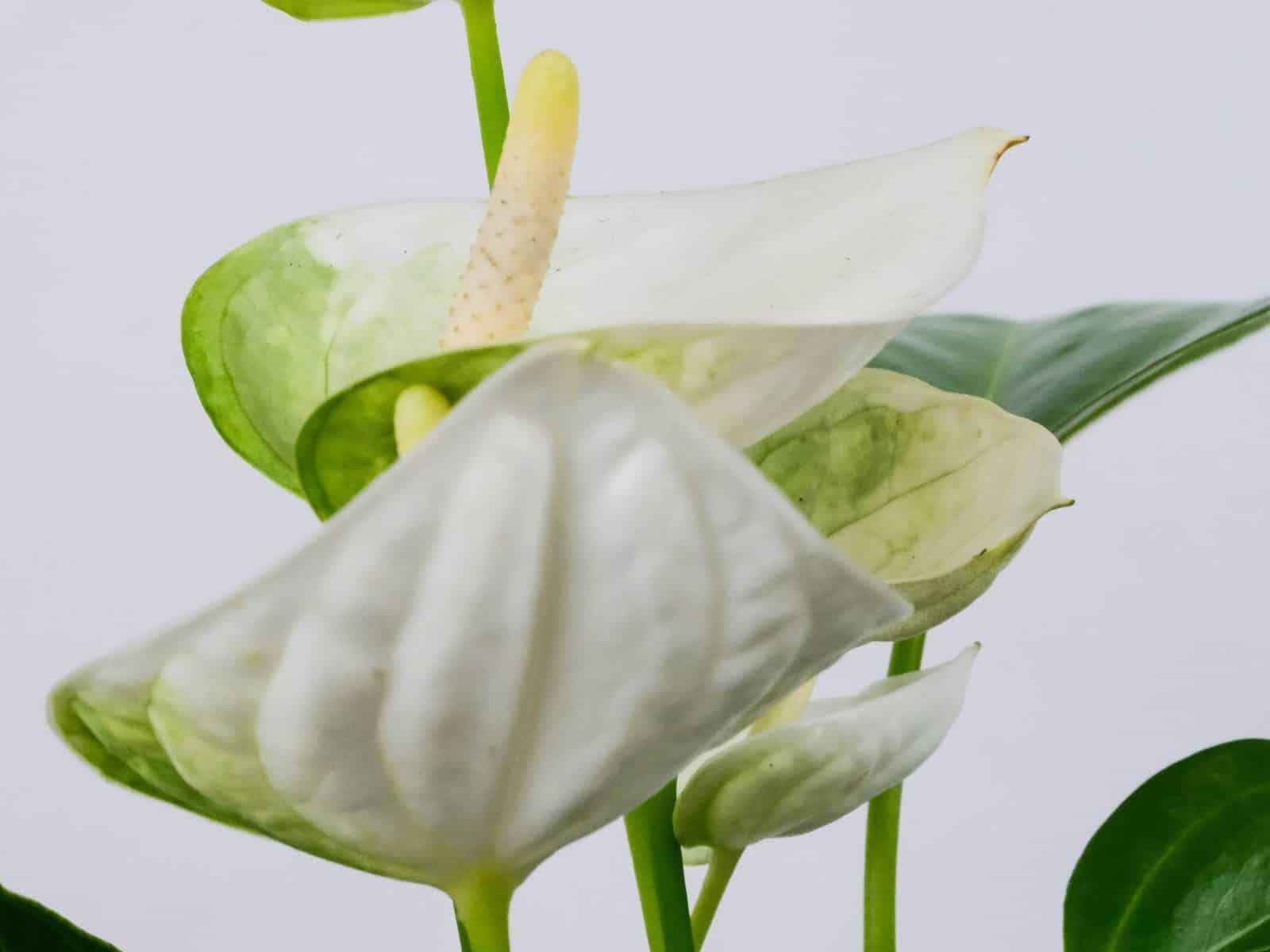
Anthurium
Anthurium
Flamingo flower is grown for its glossy, heart-shaped leaves and long-lasting waxy spathes in red, pink, white, or coral, each bloom holding its colour for six to eight weeks in good conditions.
View care guide
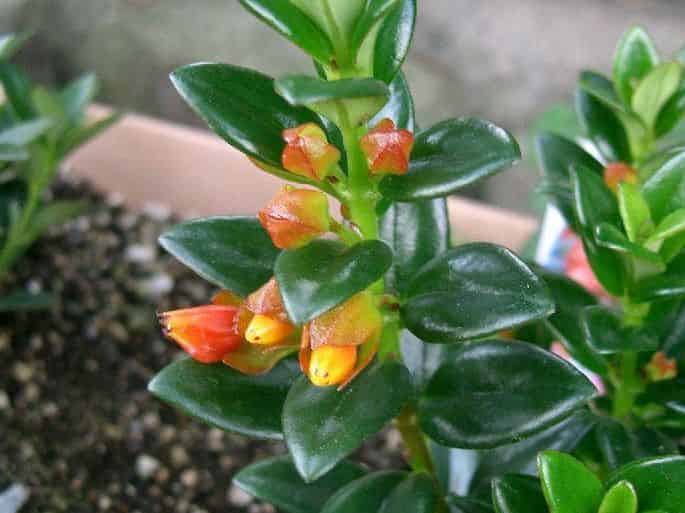
Goldfish Plant
Nematanthus
Goldfish plant, from the genus Nematanthus, is a compact trailing plant with small, thick, glossy dark green leaves and bright orange, pouch-shaped flowers along the stems.
View care guide

Kentia Palm
Howea forsteriana
Kentia palm, Howea forsteriana, is a single-trunk palm with long, graceful arching fronds — one of the most adaptable palms for indoor use, tolerating everything from darker corners to spots near a window.
View care guide

Kimberly Queen Fern
Nephrolepis obliterata
The Kimberly Queen fern, known scientifically as Nephrolepis obliterata, has upright, arching fronds in a tidy, compact form — more structured than a Boston fern and without the messy runners.
View care guide
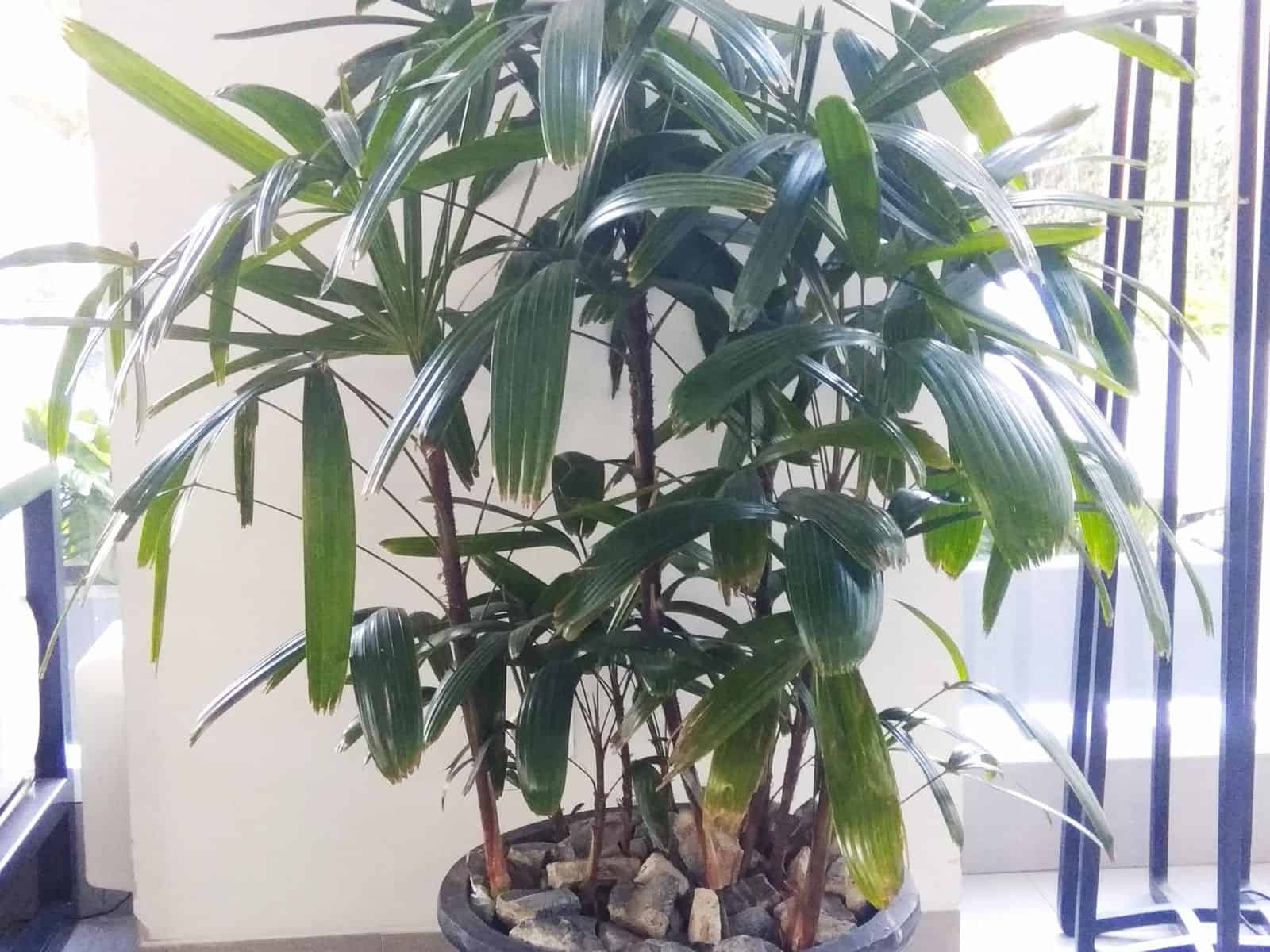
Rhapis Palm
Rhapis excelsa
Rhapis excelsa, known as lady palm, is a multi-stem fan palm whose stems form a dense, layered screen rather than the single trunk of most indoor palms.
View care guide
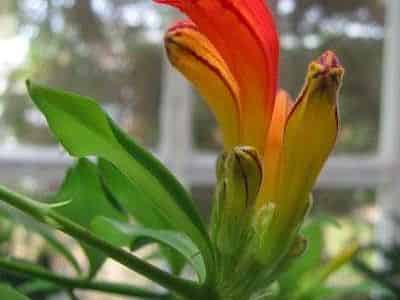
Lipstick Plant
Aeschynanthus
Lipstick plant, genus Aeschynanthus, is a trailing plant with pairs of glossy, waxy dark green leaves and tubular red flowers that emerge from dark calyxes at the stem tips — the lipstick effect the name describes.
View care guide
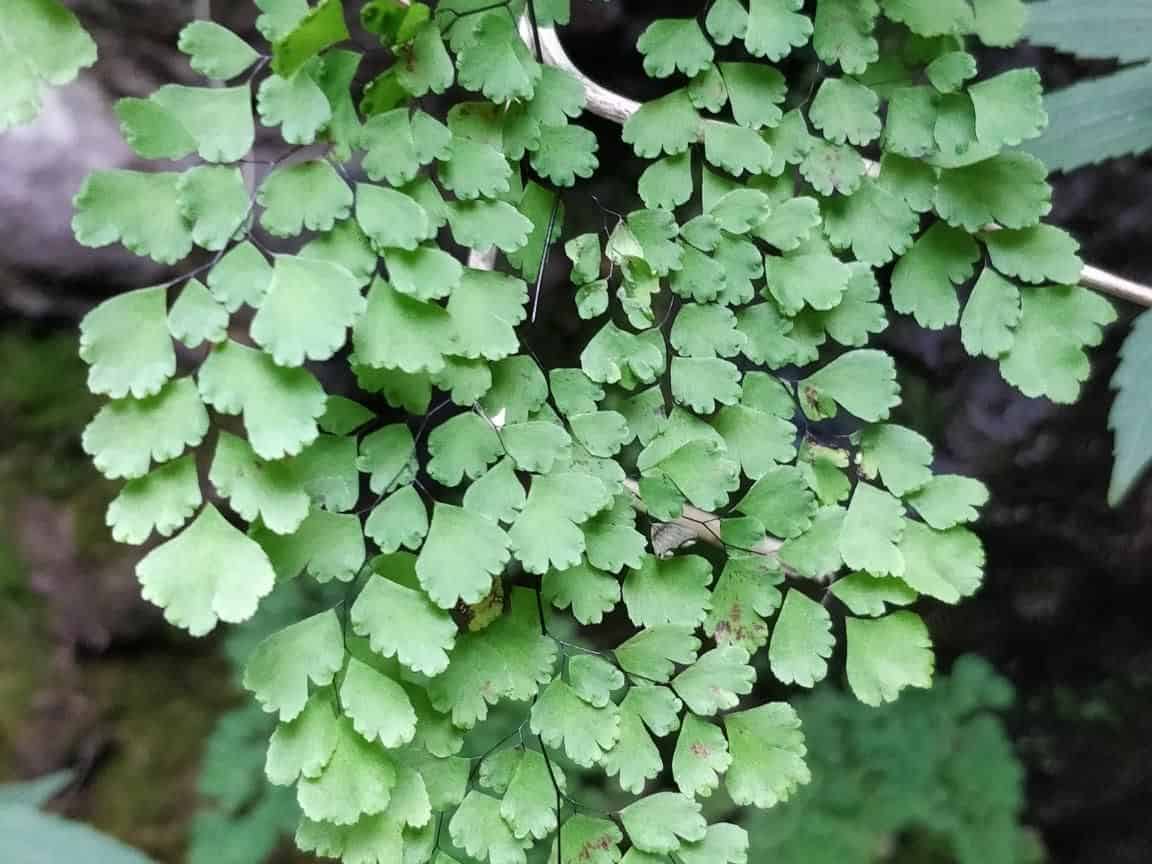
Maidenhair Fern
Adiantum
Adiantum, the maidenhair fern, forms a delicate, airy mound of small, fan-shaped leaflets on thin, wiry black stems.
View care guide

Majesty Palm
Ravenea rivularis
Majesty palm, botanically Ravenea rivularis, is a single-trunk palm with long, arching pinnate fronds and a narrow trunk that takes up little floor space relative to its height.
View care guide
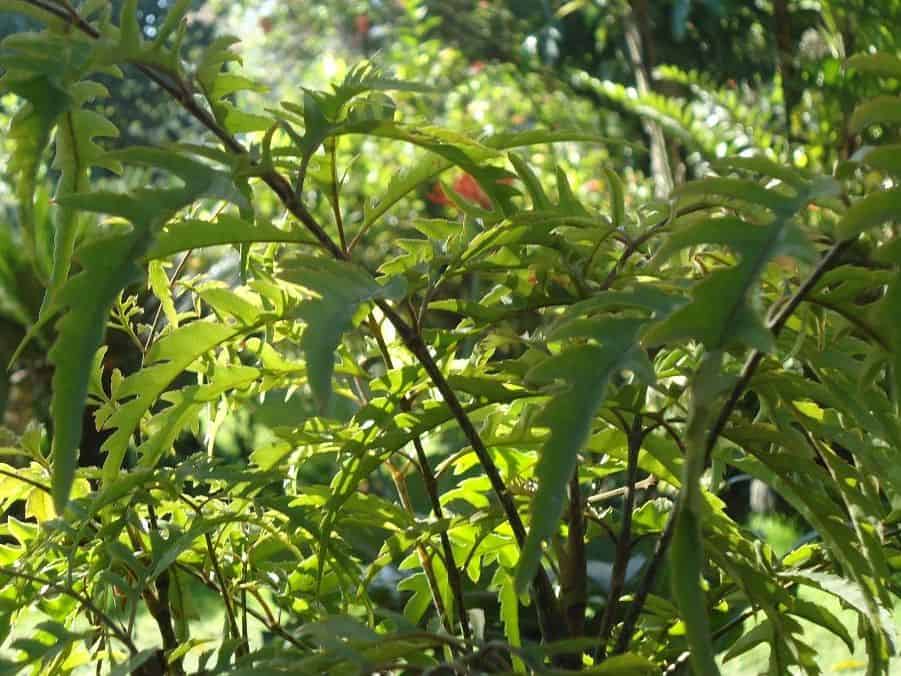
Ming Aralia
Polyscias fruticosa
The Ming aralia, Polyscias fruticosa, has an upright, airy tree form with finely divided, feathery leaves held on slender woody stems.
View care guide
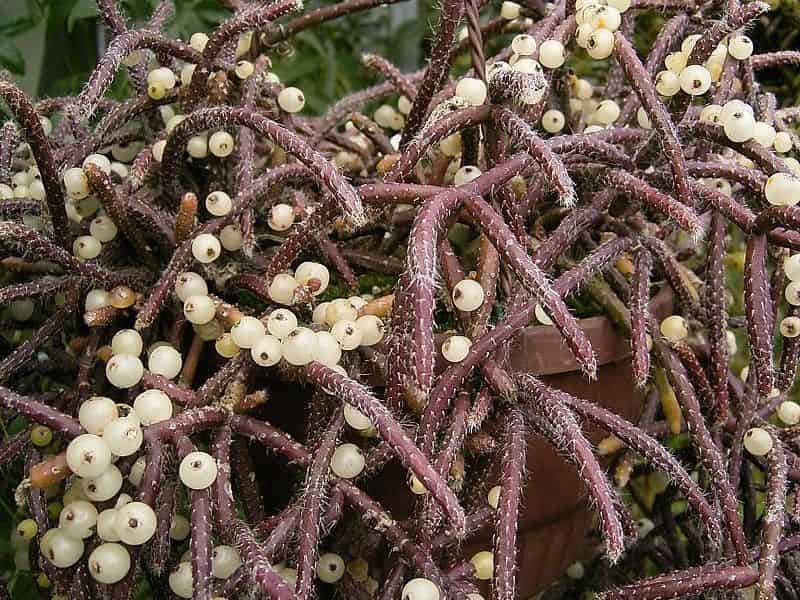
Mistletoe Cactus
Rhipsalis
Rhipsalis, commonly called the mistletoe cactus, is a trailing succulent with pencil-thin, cylindrical stems that cascade 30-90cm from its pot.
View care guide
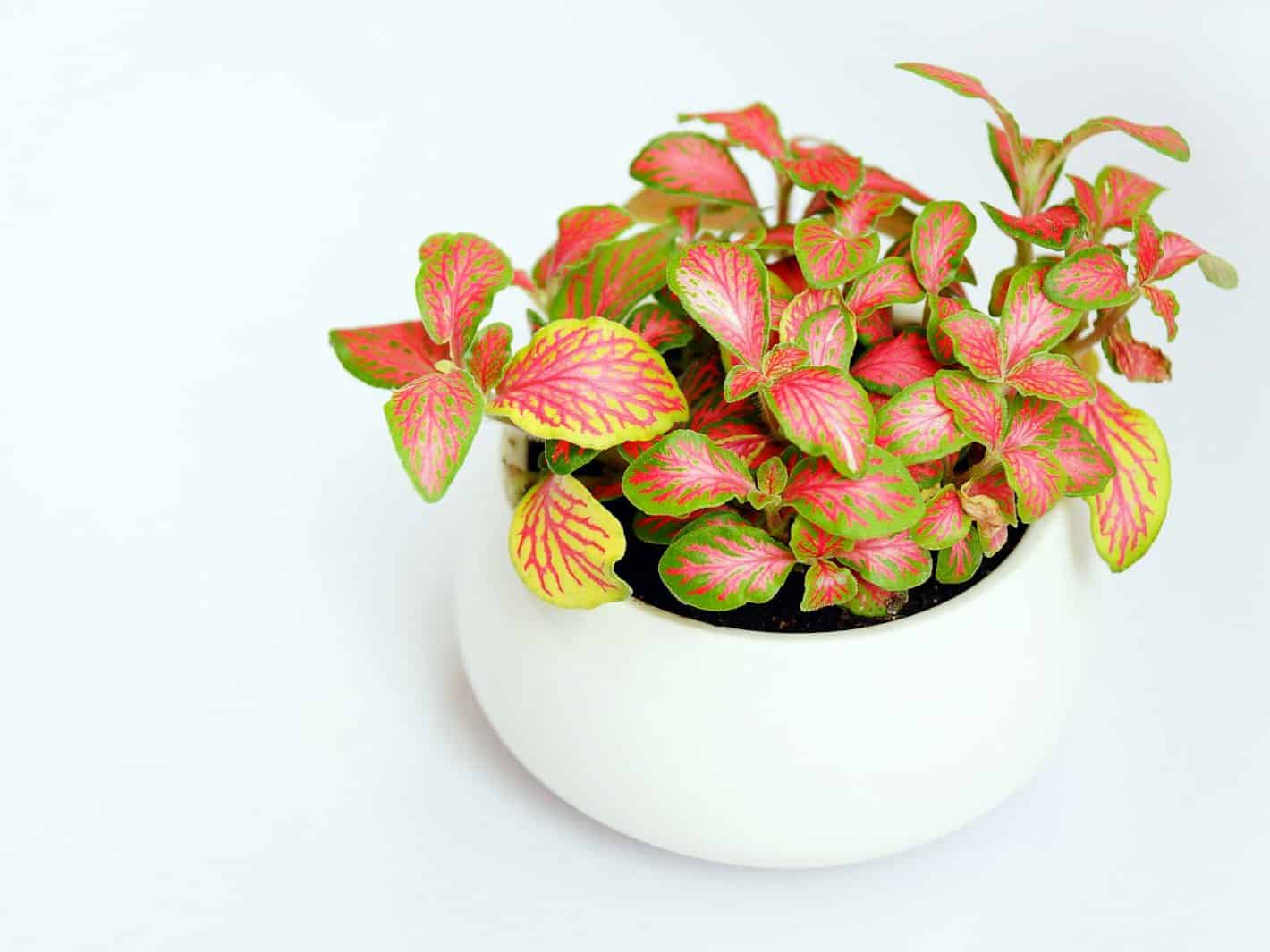
Fittonia
Fittonia
The nerve plant, or Fittonia, is a low, creeping groundcover that stays under 15cm tall, with spreading stems that root at the nodes to form a dense mat of foliage.
View care guide
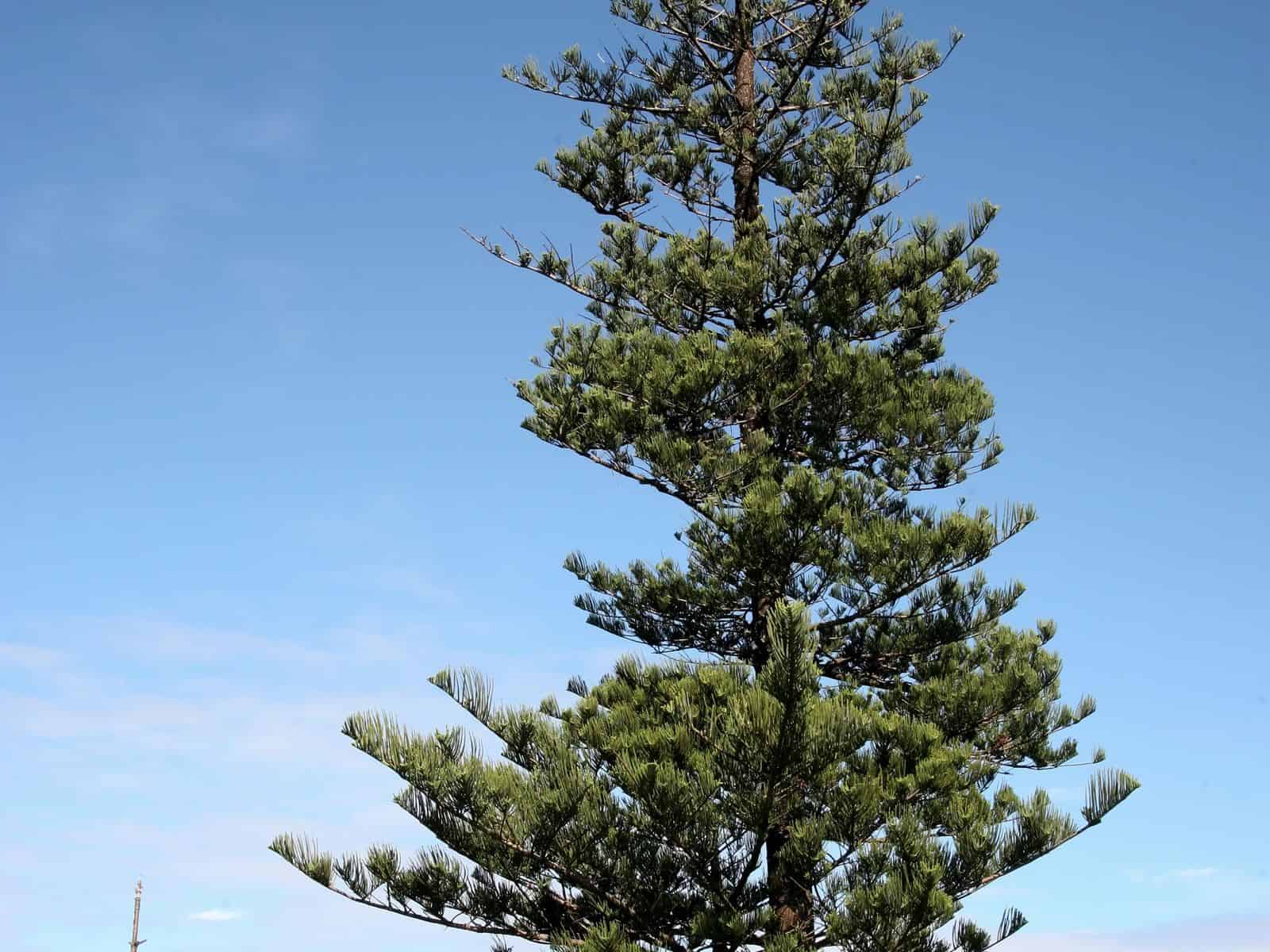
Norfolk Island Pine
Araucaria heterophylla
The Norfolk Island pine, botanically Araucaria heterophylla, is a symmetrical conifer with tiered, horizontal branches arranged in neat whorls around a single trunk -- the shape people associate with a traditional holiday tree.
View care guide
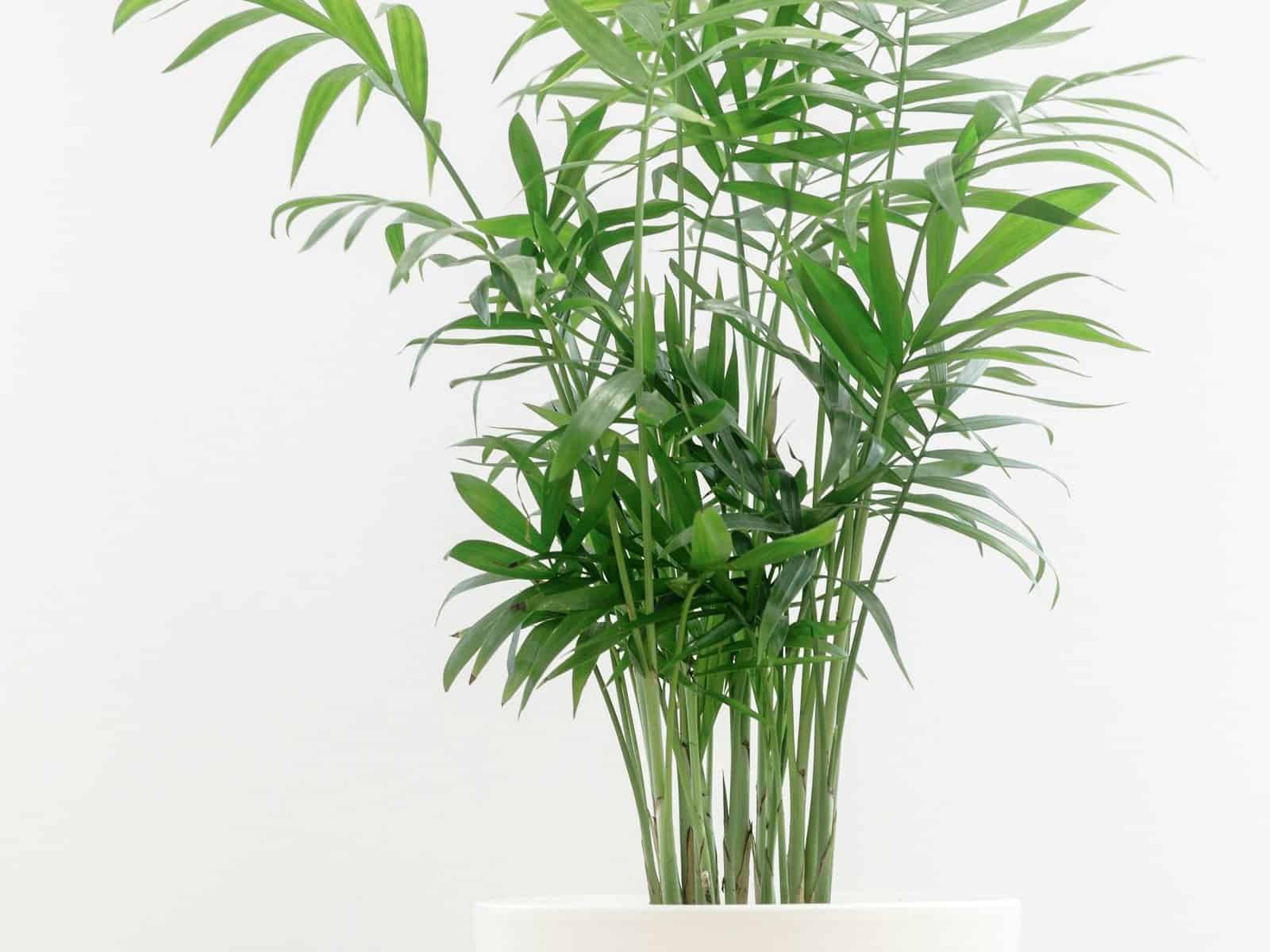
Parlour Palm
Chamaedorea elegans
The parlour palm, Chamaedorea elegans, is a compact, clumping palm with delicate, arching pinnate fronds.
View care guide
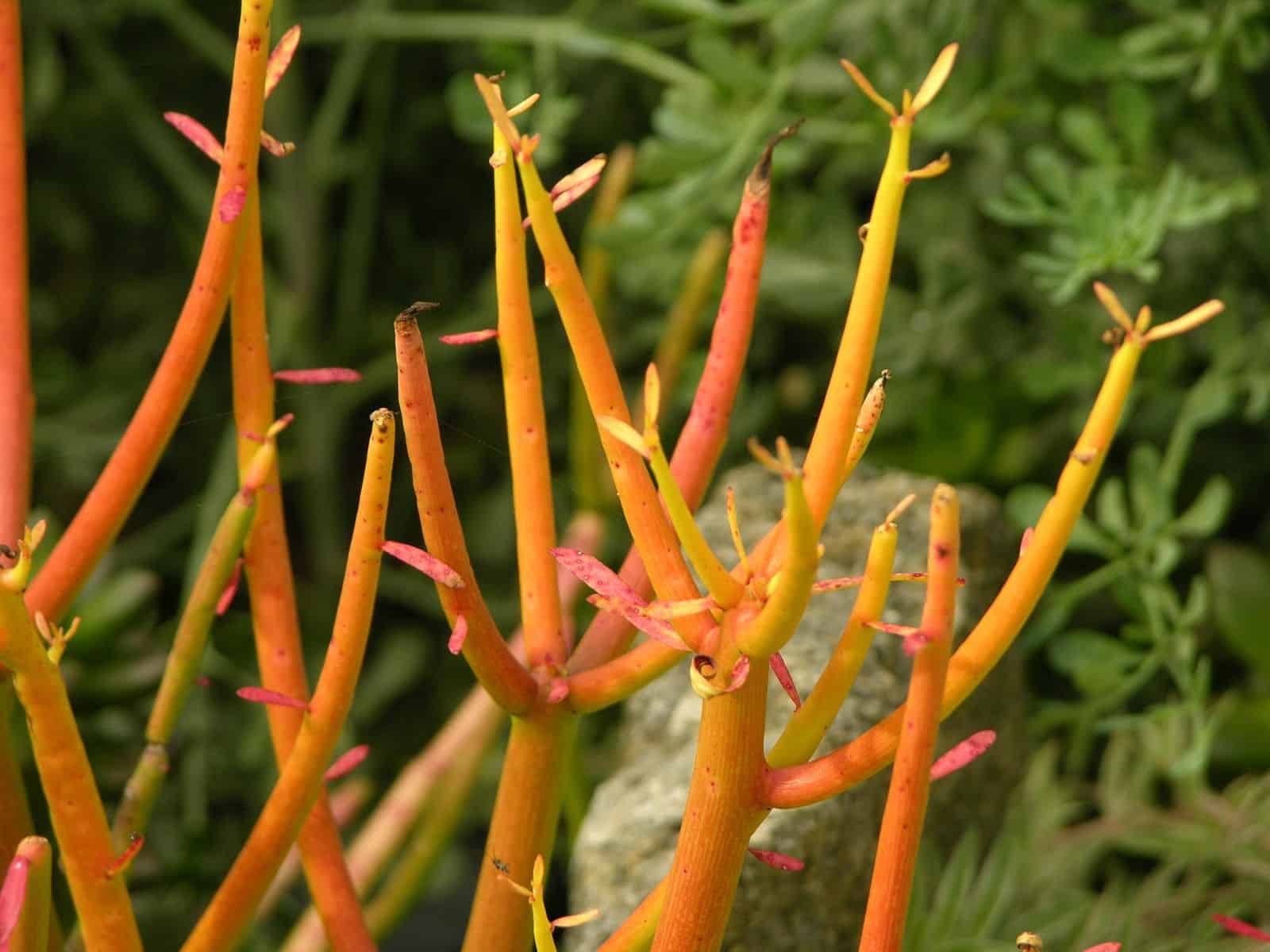
Pencil Cactus
Euphorbia tirucalli
The pencil cactus, Euphorbia tirucalli, also called firestick for its colour, is a dense cluster of thin, pencil-like succulent stems that branch freely into an upright cluster.
View care guide
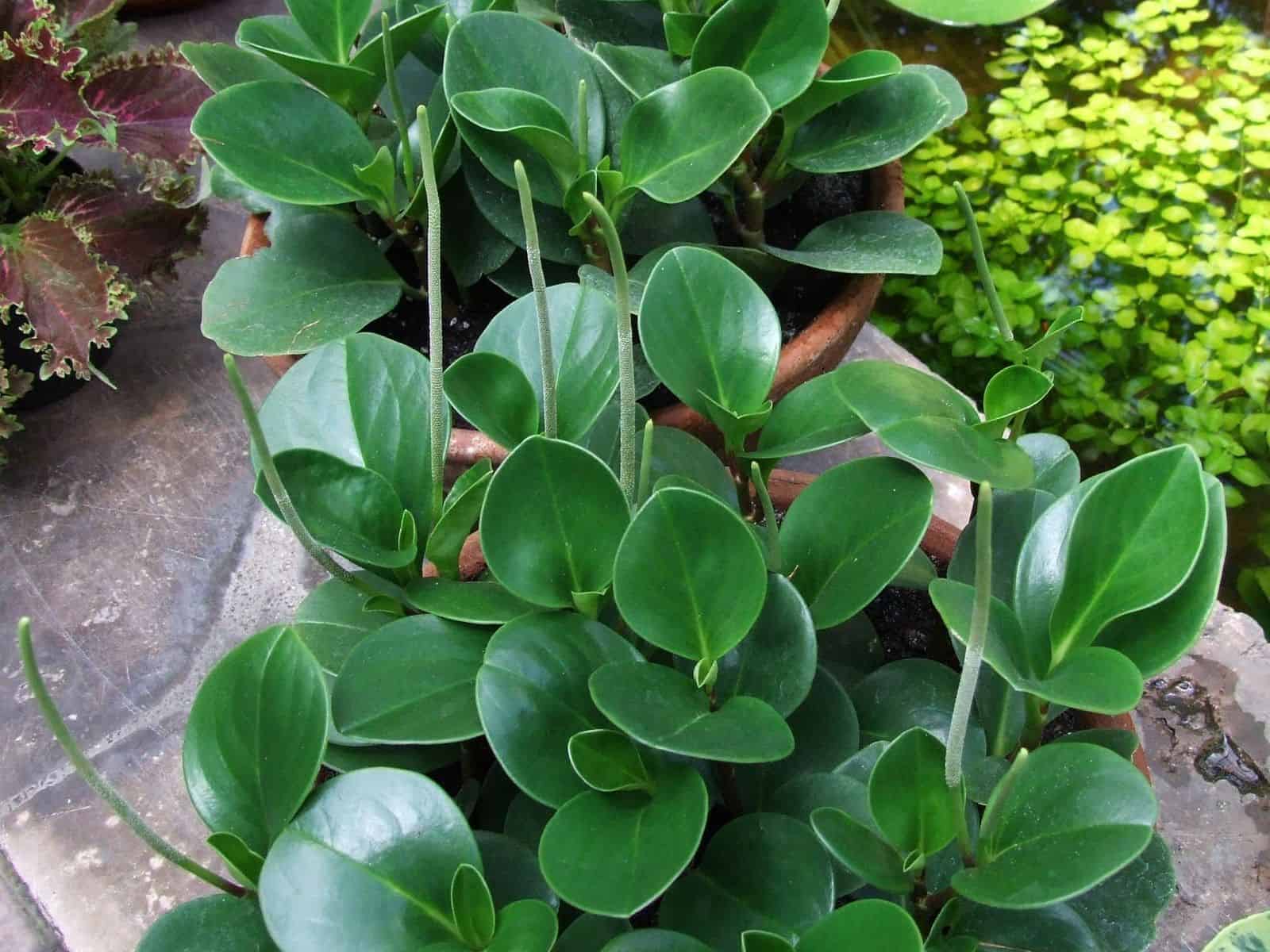
Peperomia
Peperomia obtusifolia
Peperomia is a compact, mounding or trailing plant with thick, semi-succulent leaves that store water.
View care guide
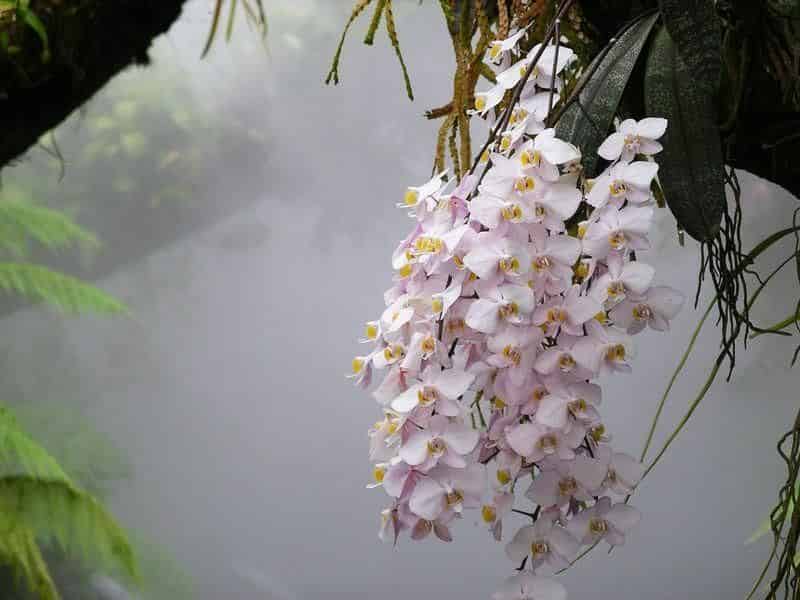
Phalaenopsis
Phalaenopsis
The Phalaenopsis, or moth orchid, is an epiphytic plant grown in bark-based orchid media rather than regular potting soil.
View care guide
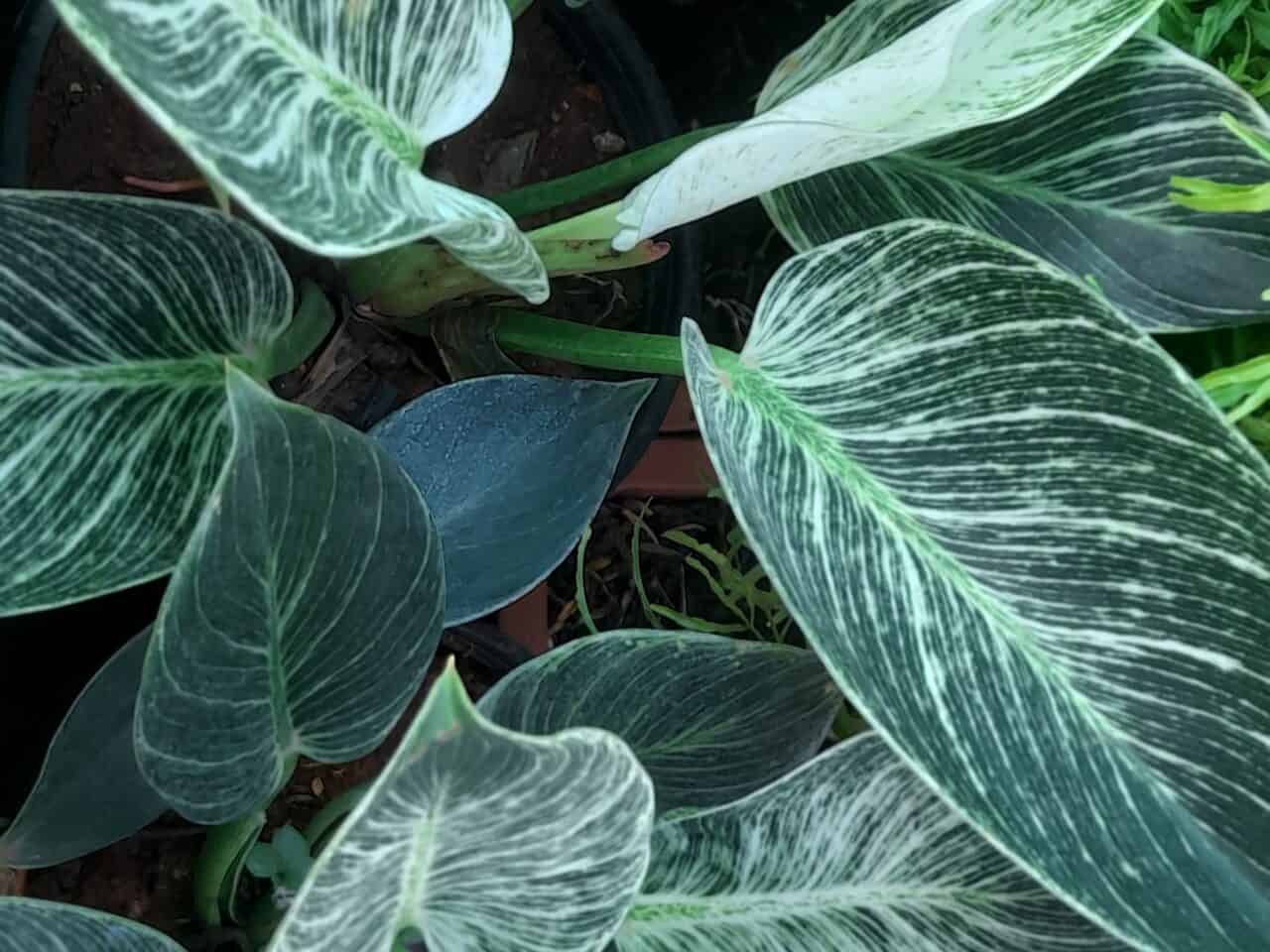
Philodendron Birkin
Philodendron 'Birkin'
Philodendron Birkin is a compact, self-heading rosette that stays under 2 feet tall, with each new leaf carrying its own unique white pinstripe pattern -- no two leaves look exactly alike.
View care guide
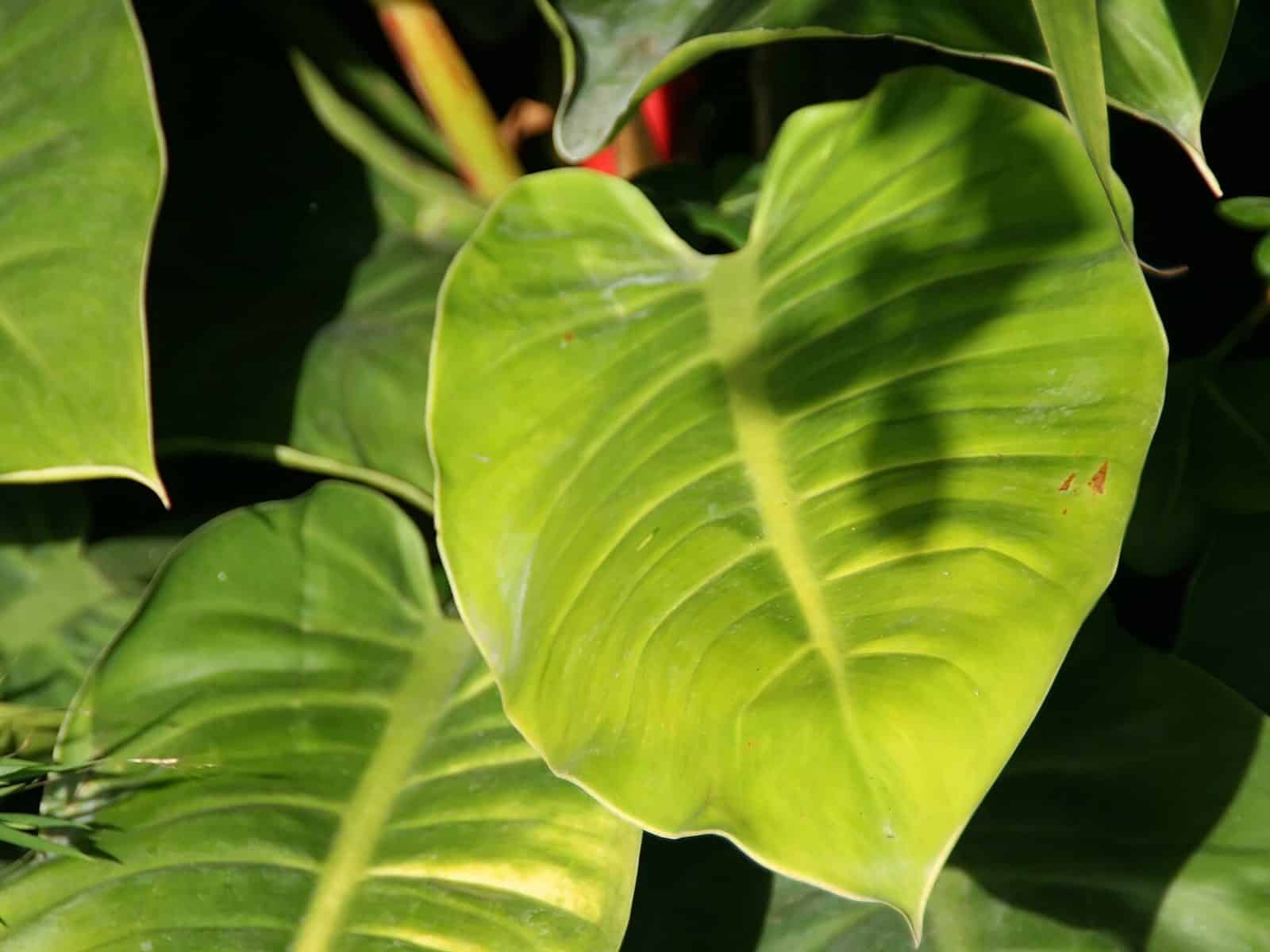
Philodendron Moonlight
Philodendron 'Moonlight'
Philodendron Moonlight is a self-heading rosette with elongated oval leaves that emerge a bright chartreuse-yellow and mature to a deeper green over time.
View care guide
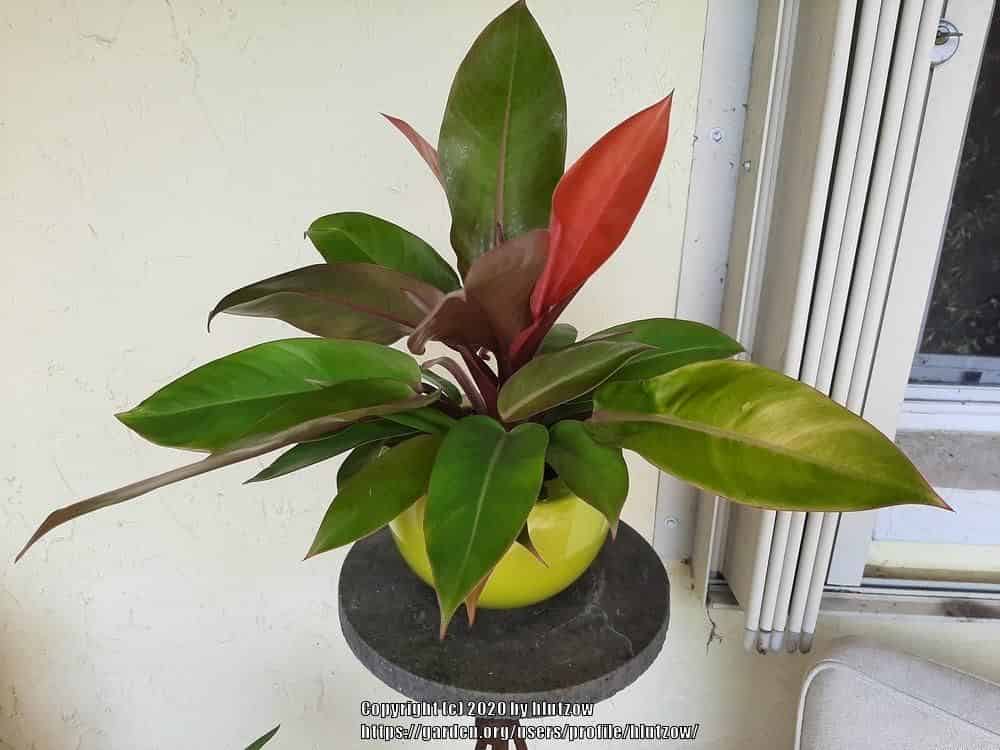
Philodendron Prince of Orange
Philodendron 'Prince of Orange'
Philodendron Prince of Orange is a self-heading rosette with oval leaves on short petioles, staying compact at 2-3 feet tall.
View care guide
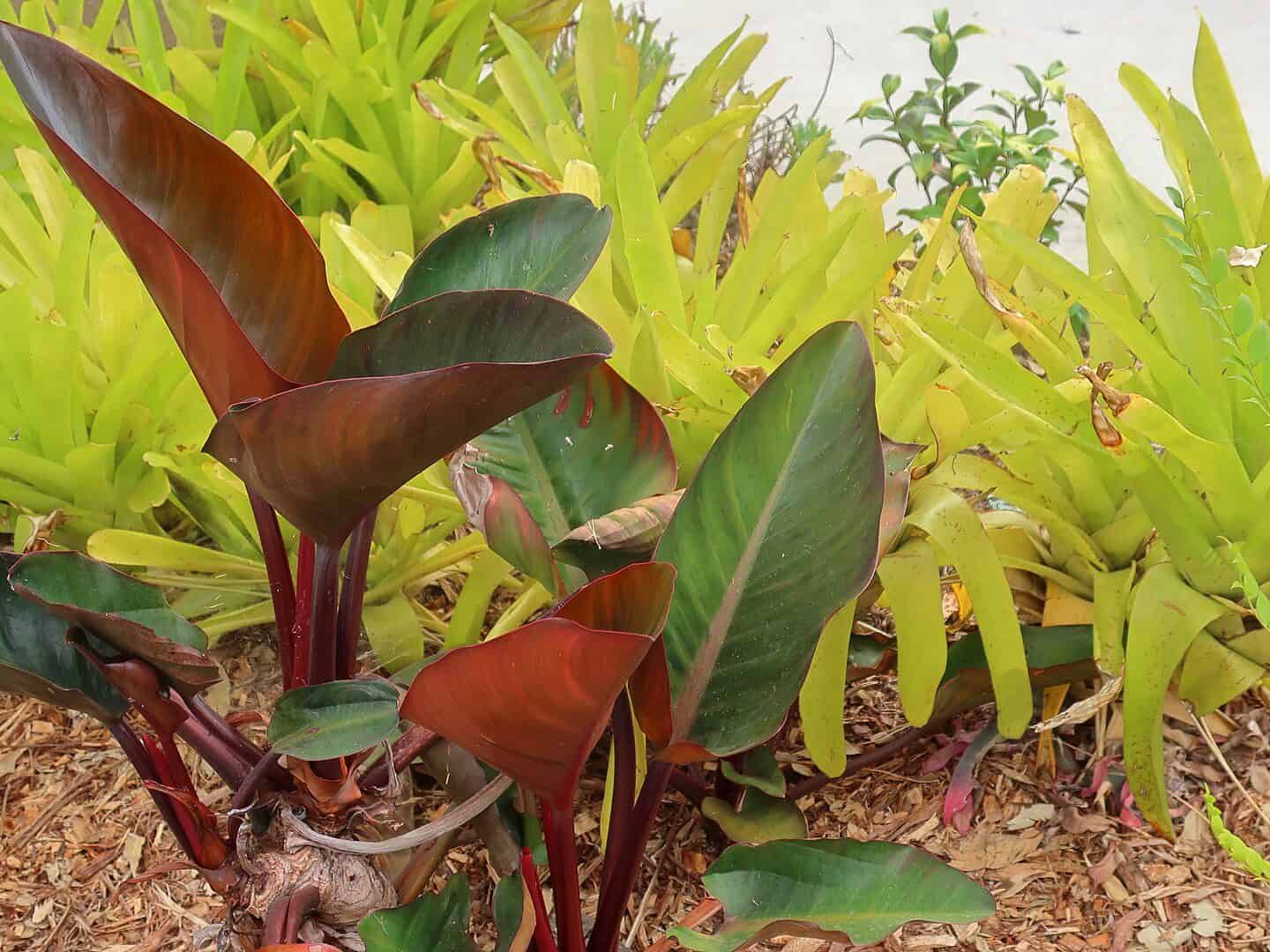
Congo Rojo
Philodendron erubescens 'Red Congo'
Red Congo is a self-heading philodendron — a rosette of large, glossy oval leaves rather than a climbing vine.
View care guide
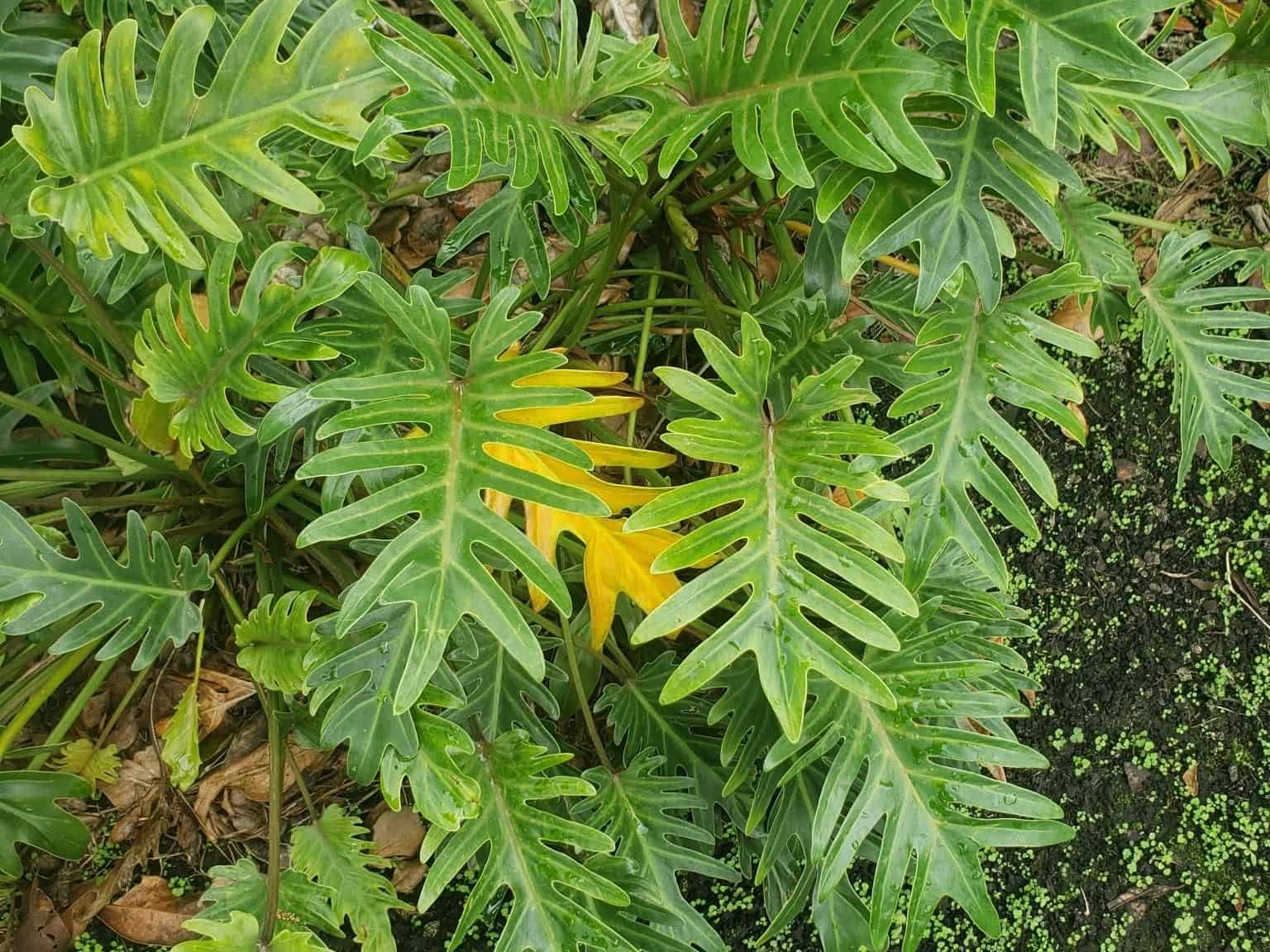
Philodendron Xanadu
Thaumatophyllum xanadu
Xanadu, or Thaumatophyllum xanadu, is a non-climbing philodendron with deeply lobed, glossy leaves in a compact, mounding form.
View care guide
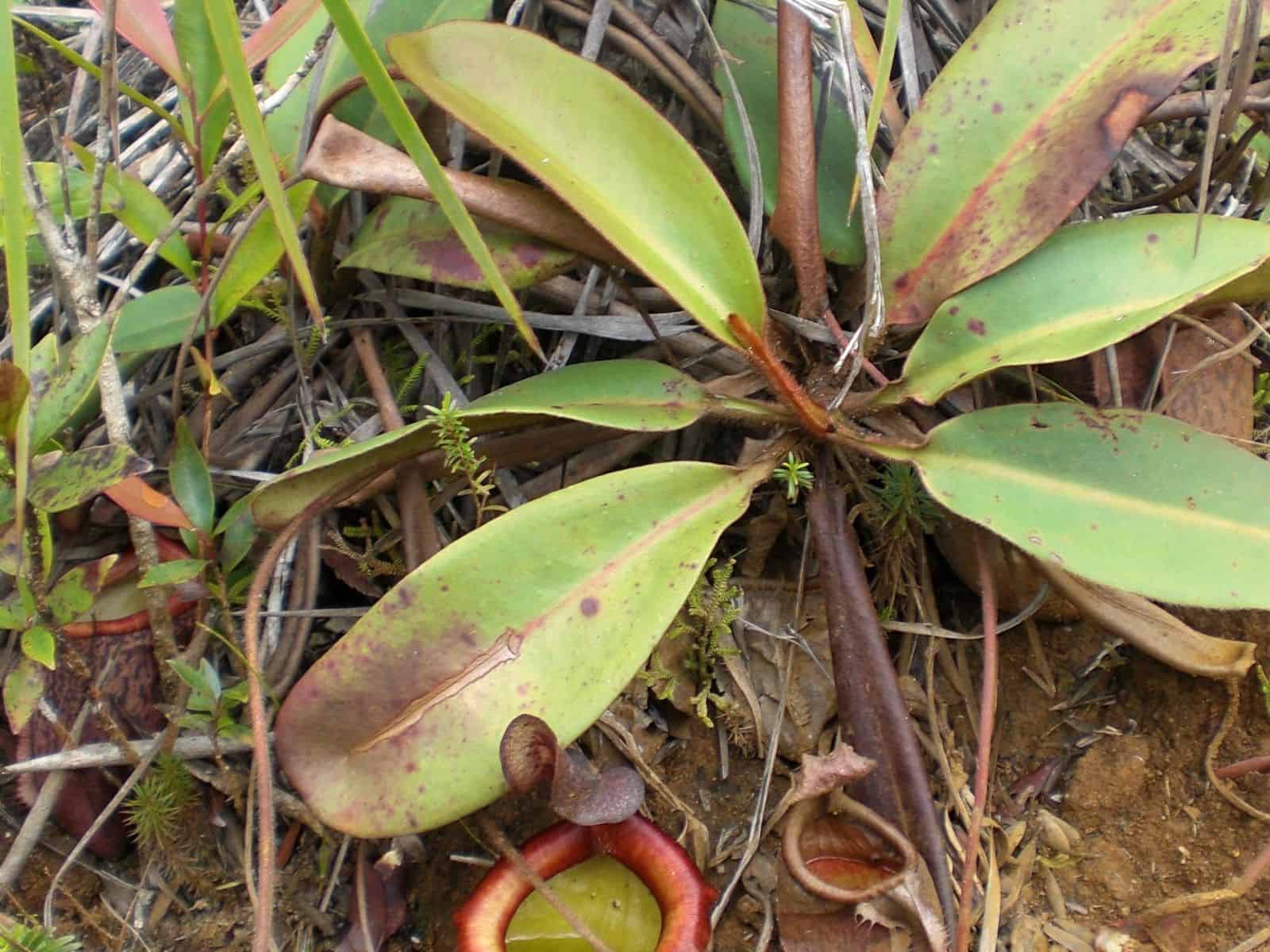
Pitcher Plant
Nepenthes
The pitcher plant belongs to the genus Nepenthes — a trailing vine whose leaf tips form tubular pitchers 5–15 cm long, giving it an unmistakable look nothing else in an office has.
View care guide
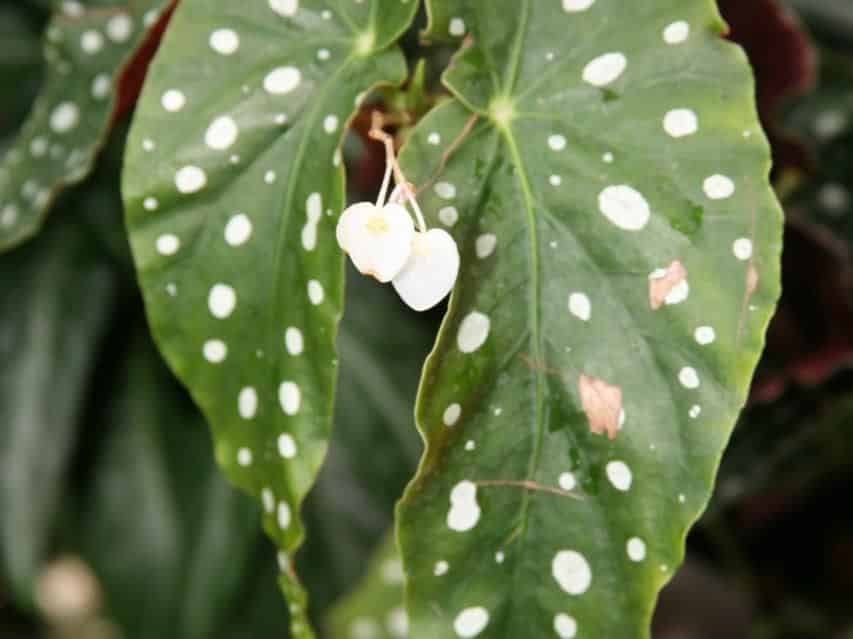
Polka Dot Begonia
Begonia maculata
Polka Dot Begonia is an upright, cane-forming begonia with asymmetric angel-wing leaves marked in silver spots against dark green.
View care guide
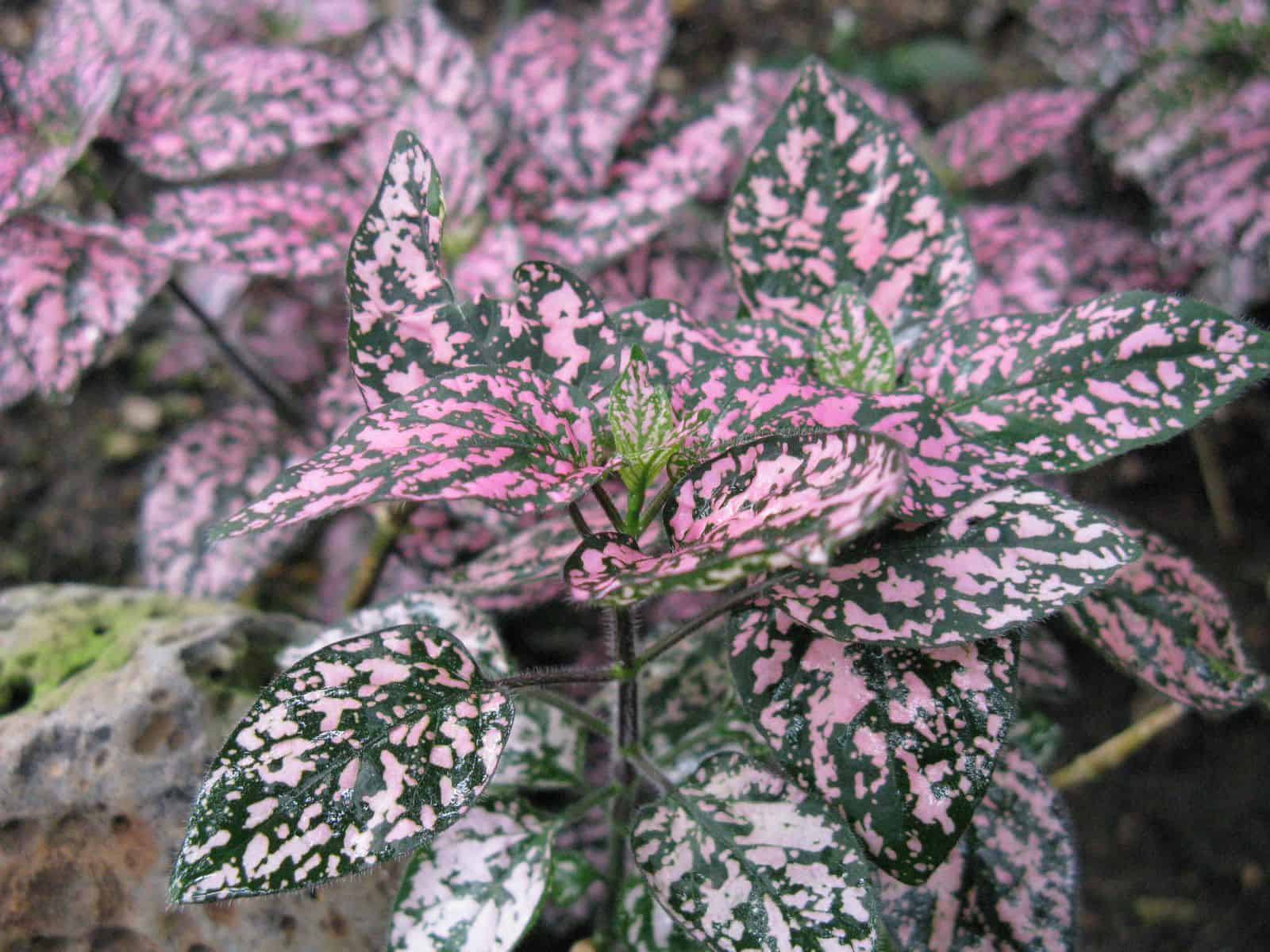
Polka Dot Plant
Hypoestes
Polka Dot Plant, genus name Hypoestes, is a bushy, upright plant reaching 20–40 cm, covered in leaves speckled pink, white, or red depending on the variety.
View care guide
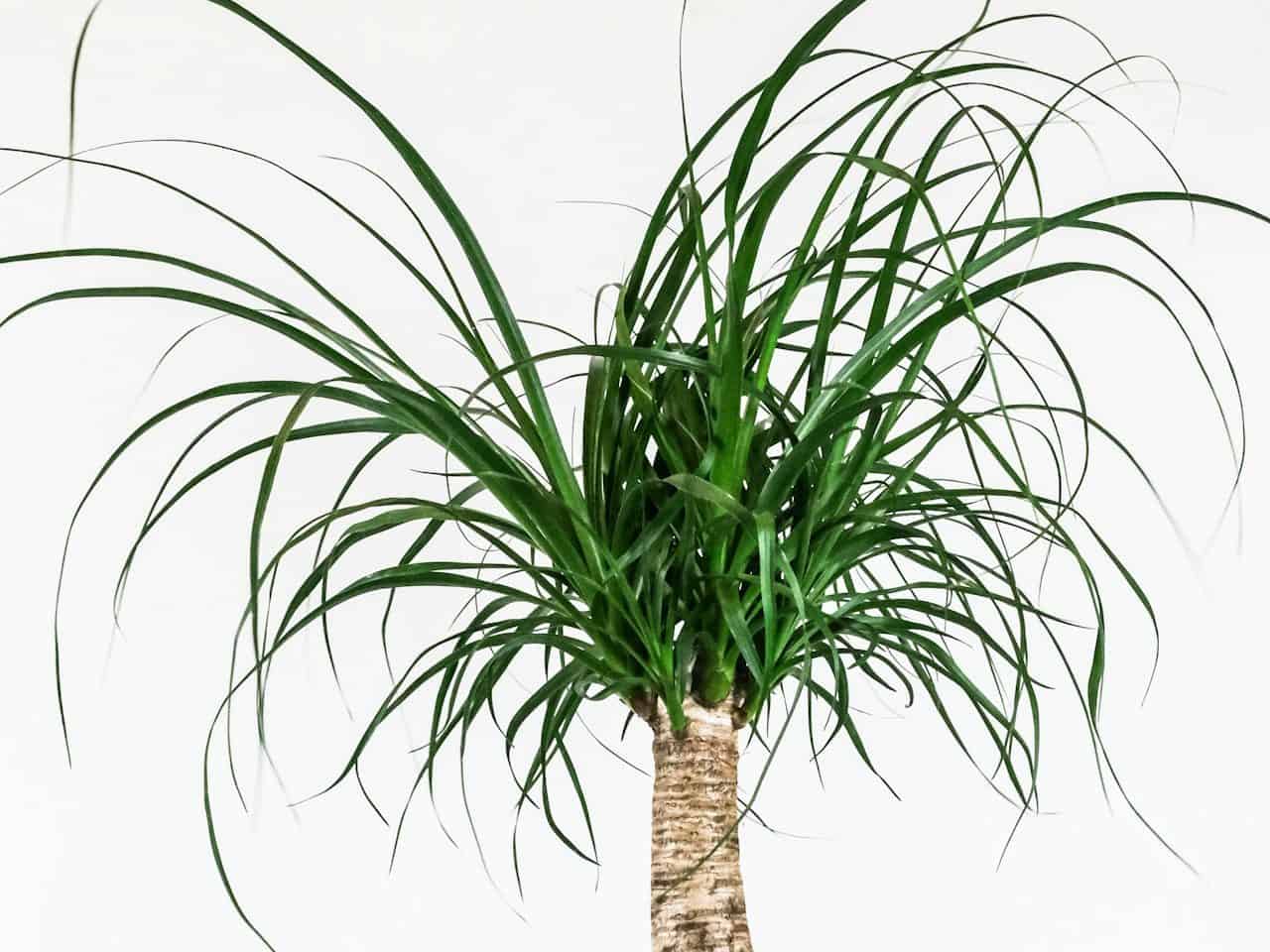
Ponytail Palm
Beaucarnea recurvata
Ponytail Palm, botanical name Beaucarnea recurvata, is a slow-growing succulent tree with a bulbous, water-storing trunk and narrow leaves that cascade outward like a fountain, reaching 3–4 feet long.
View care guide
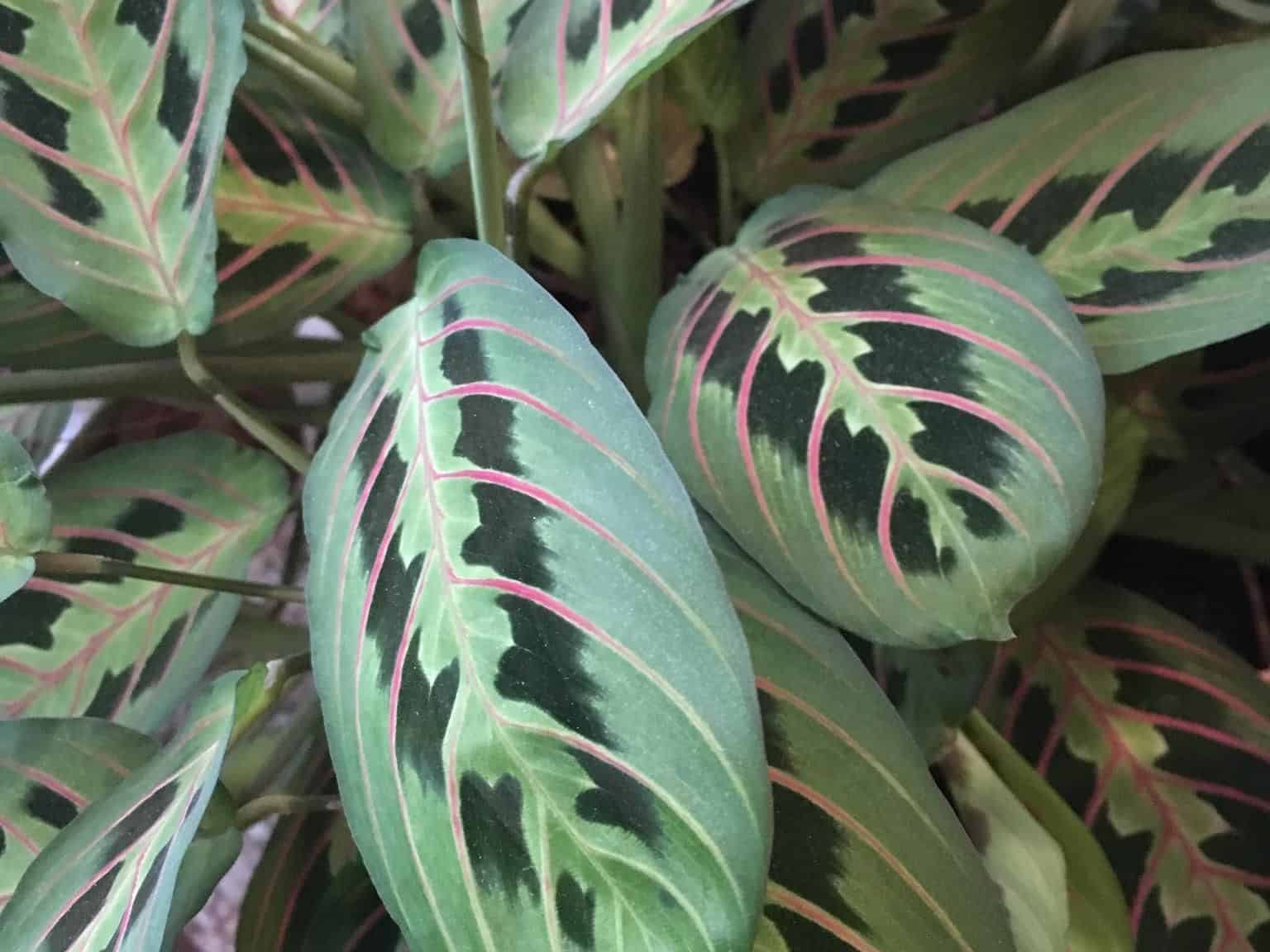
Prayer Plant
Maranta leuconeura
Prayer Plant, or Maranta leuconeura, gets its name from leaves that fold upward at night like hands in prayer.
View care guide
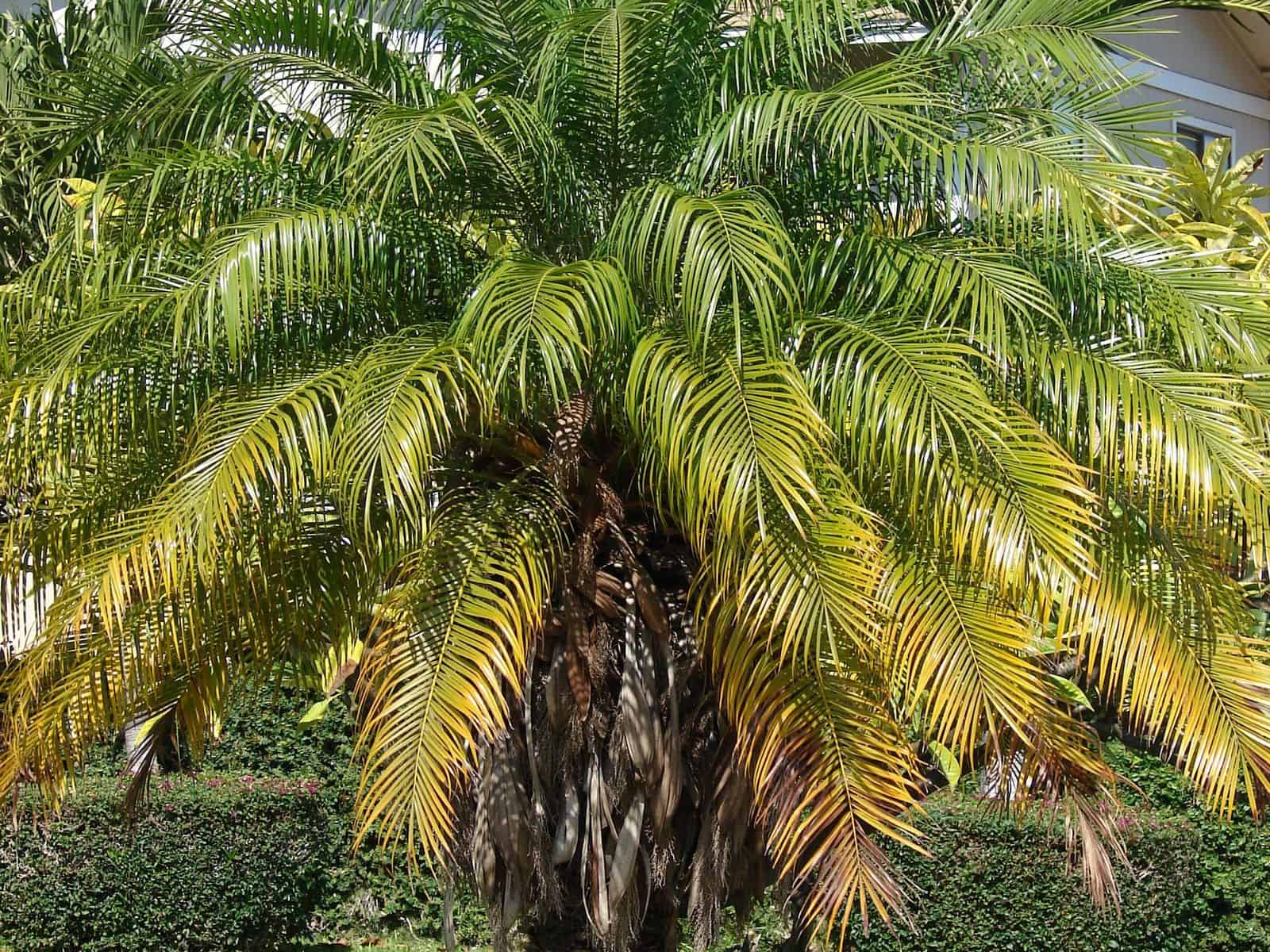
Pygmy Date Palm
Phoenix roebelenii
Pygmy Date Palm, known to botanists as Phoenix roebelenii, is a single-trunk palm with fine, feathery fronds, typically growing 3–5 feet tall.
View care guide
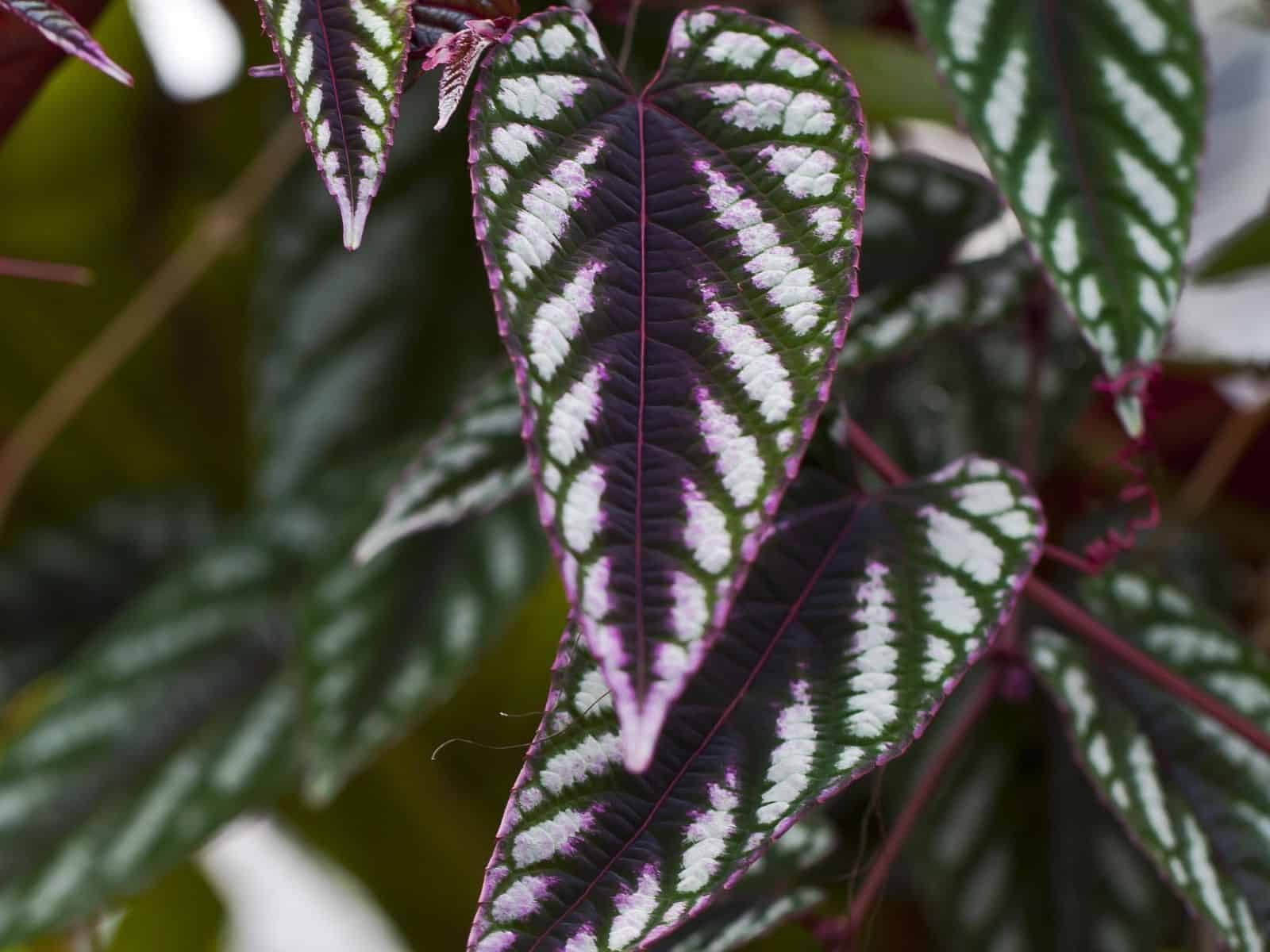
Rex Begonia Vine
Cissus discolor
Rex Begonia Vine — Cissus discolor — is a climbing or trailing vine with heart-shaped leaves patterned in silver, green, and purple, with red undersides.
View care guide
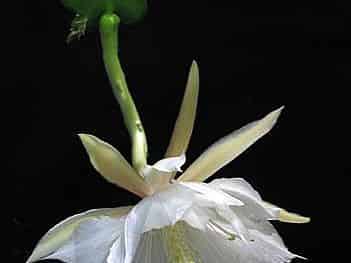
Ric Rac Cactus
Epiphyllum anguliger
Ric Rac Cactus, formally Epiphyllum anguliger, has flat, zigzag-shaped stems that trail 30–60 cm from the pot — despite the name, it's a jungle epiphyte, not a desert cactus.
View care guide
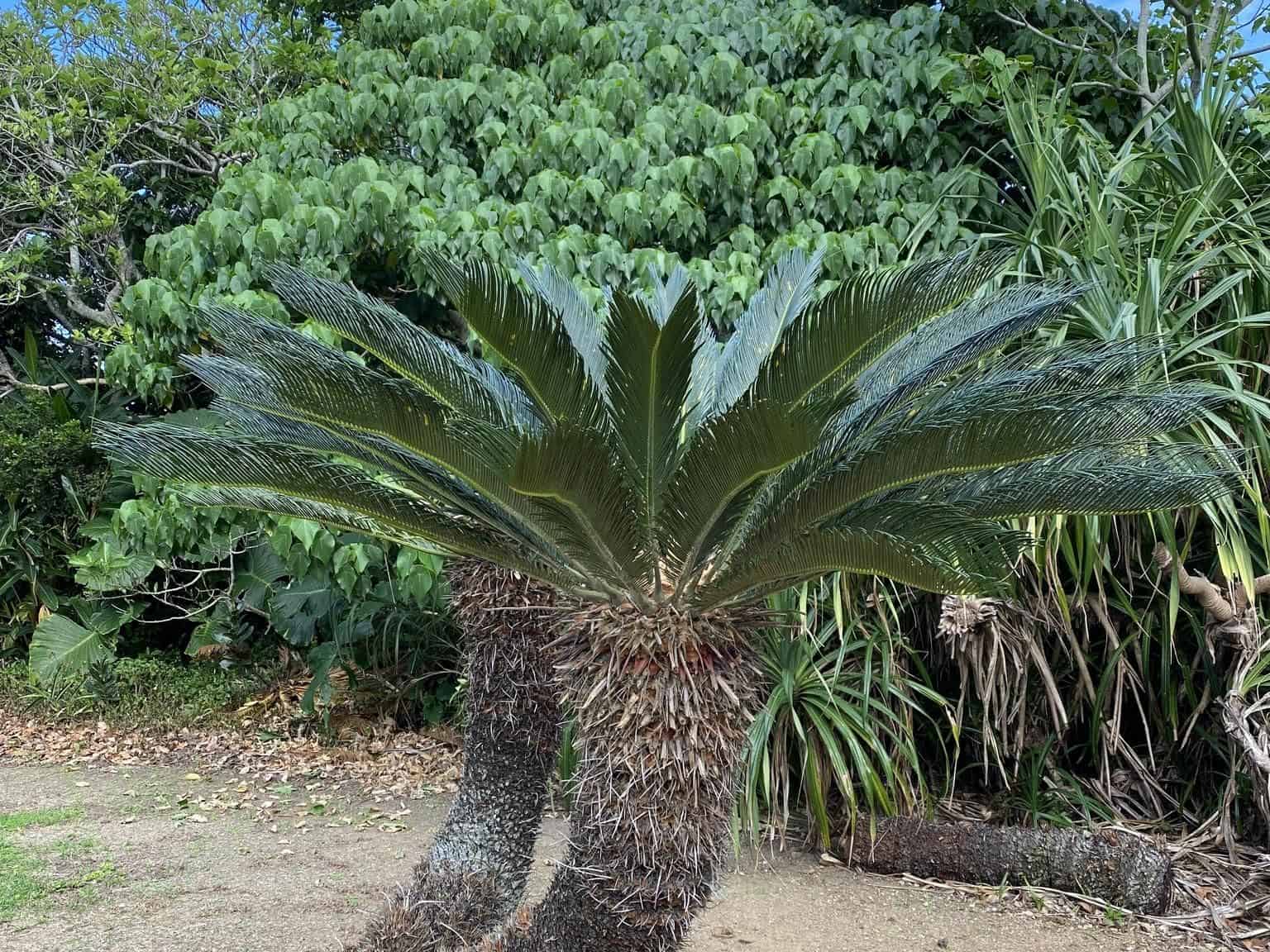
Sago Palm
Cycas revoluta
Sago Palm, Cycas revoluta, is a slow-growing rosette of stiff, dark green pinnate fronds emerging from a rough, pineapple-like trunk.
View care guide
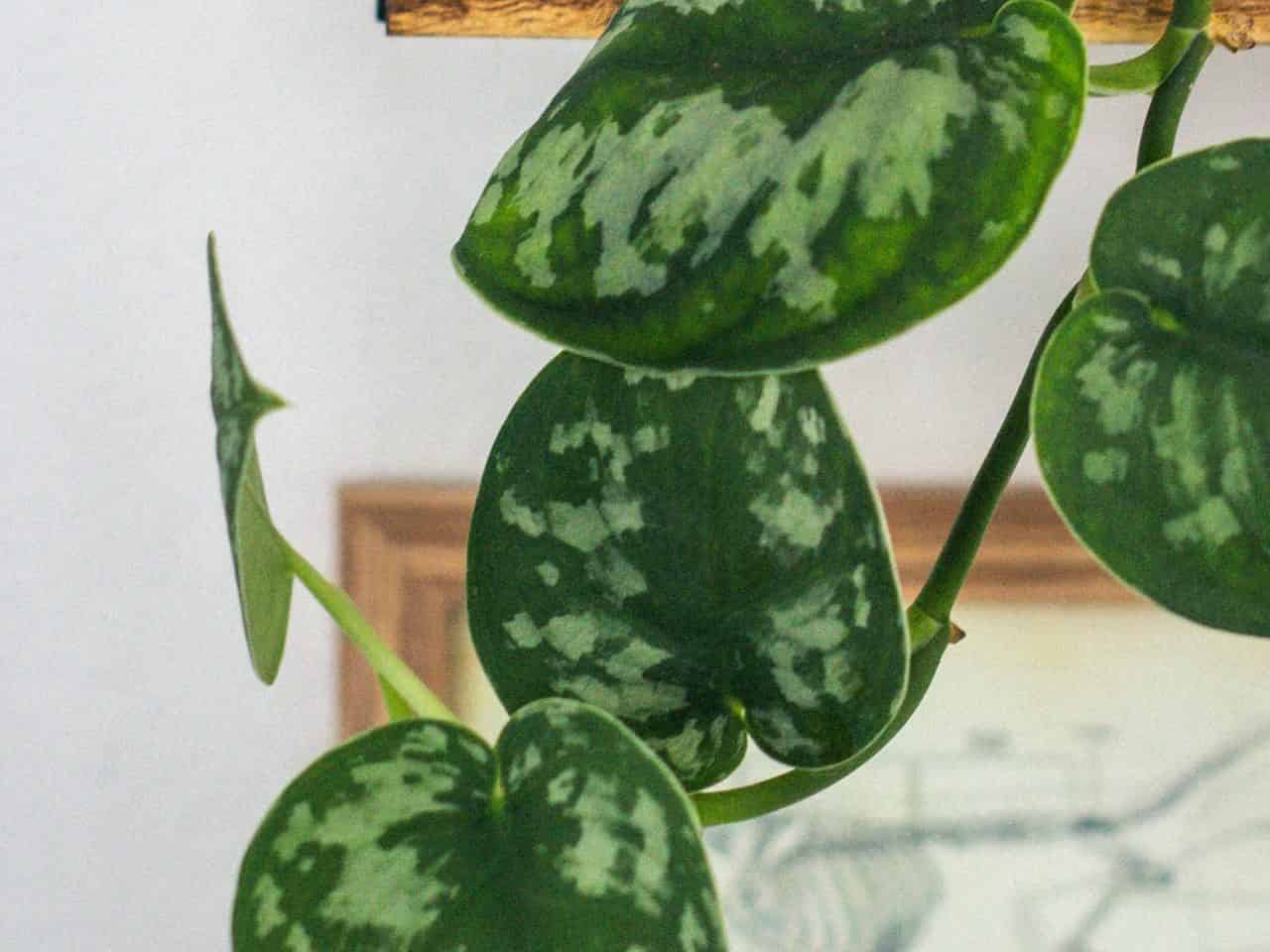
Silver Satin
Scindapsus pictus
Satin Pothos, more precisely Scindapsus pictus, is a trailing vine with heart-shaped leaves in a satin or velvet texture, marked with silver spots or broad variegation depending on the variety.
View care guide

Spider Plant
Chlorophytum comosum
The spider plant, Chlorophytum comosum, forms a tidy rosette of arching, strap-like leaves, usually striped white down the centre.
View care guide

Yucca
Yucca elephantipes
Spineless yucca grows as one or several thick, woody canes topped with rosettes of long, sword-shaped leaves.
View care guide
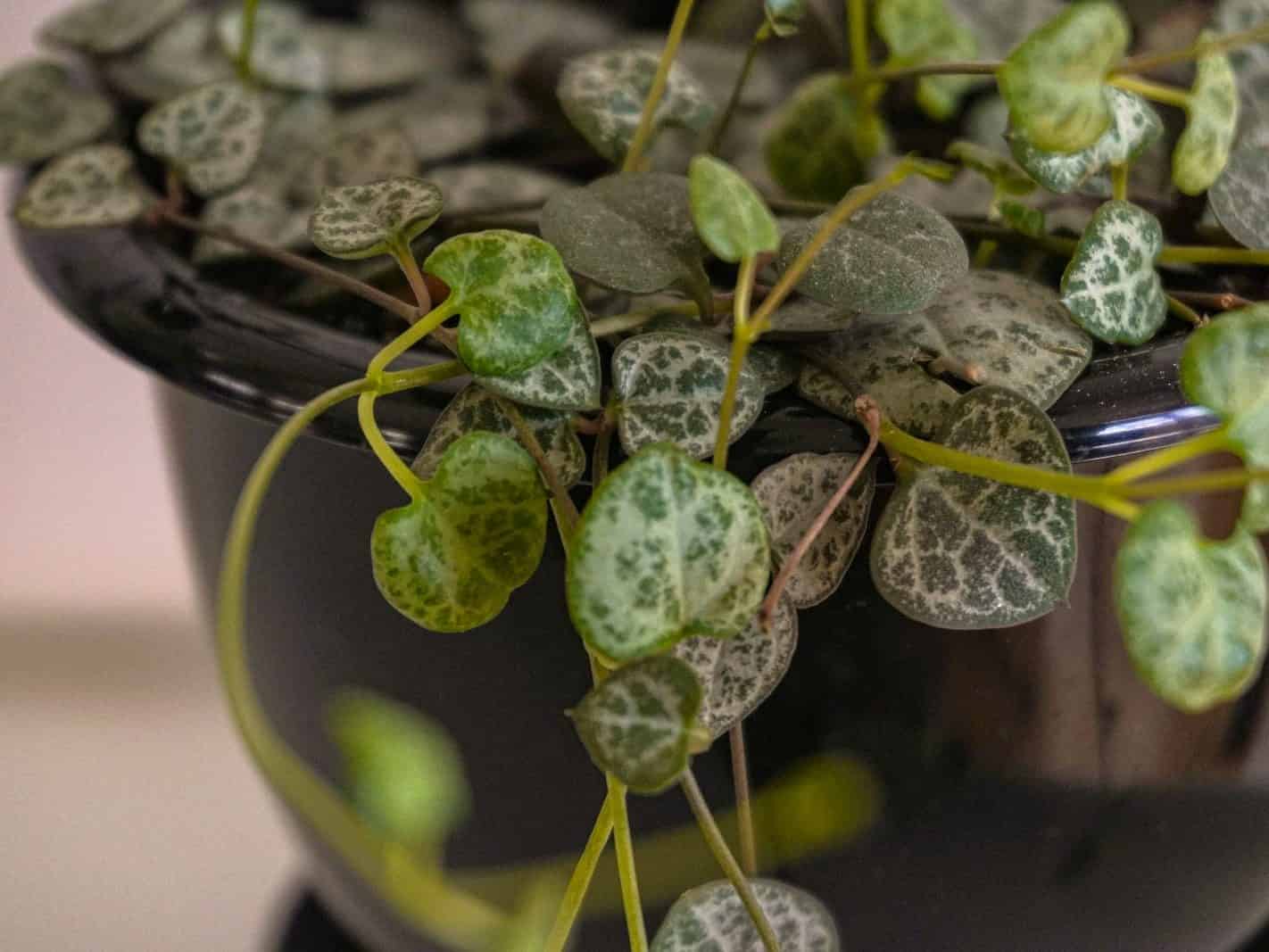
String of Hearts
Ceropegia woodii
String of hearts, Ceropegia woodii by its botanical name, trails thin, wiry vines strung with small, heart-shaped leaves — silver-marbled on top, purple underneath.
View care guide
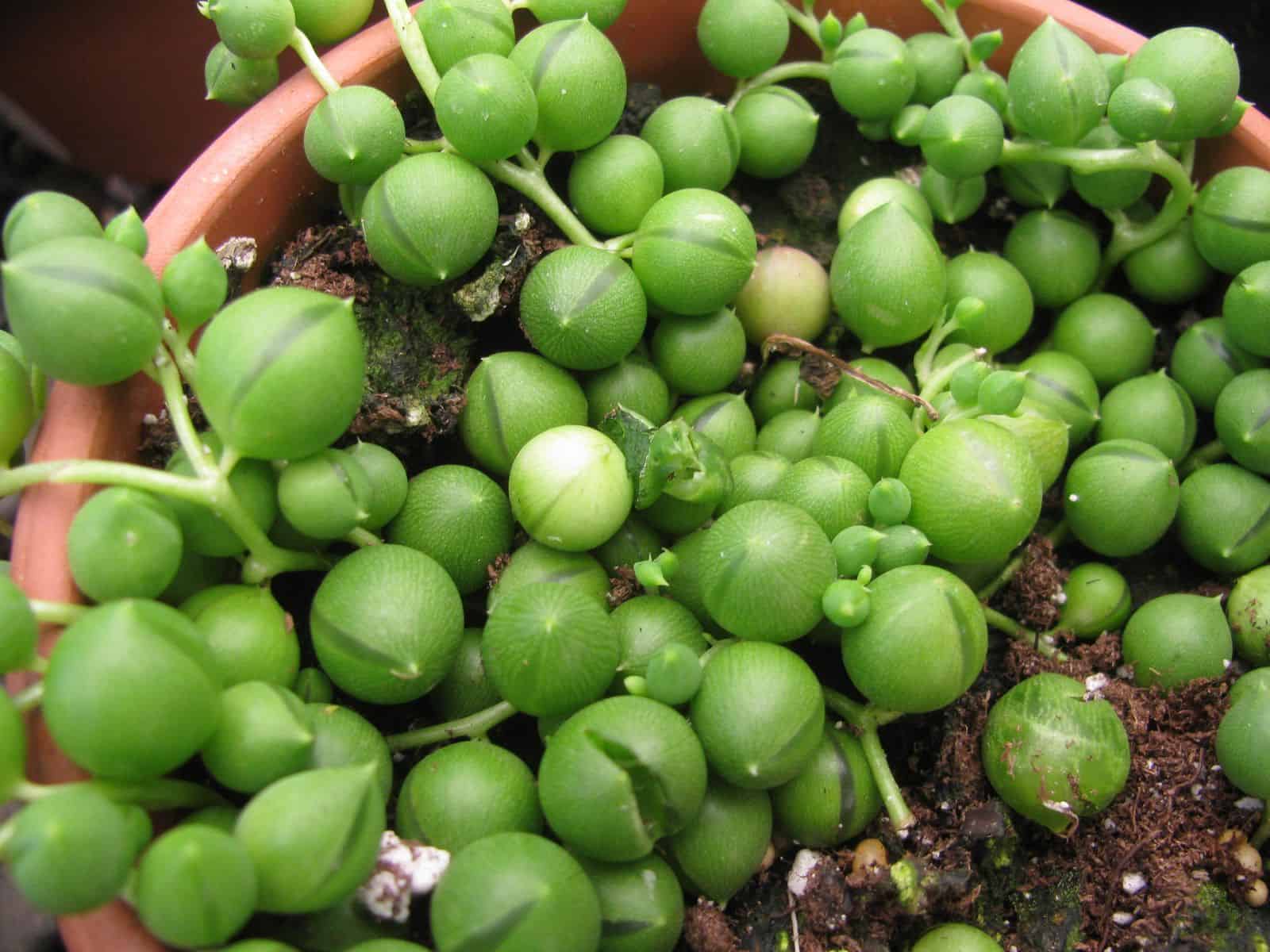
String of Beads
Senecio rowleyanus
String of pearls, or Senecio rowleyanus, trails thin green stems strung with small, spherical, bead-like leaves.
View care guide
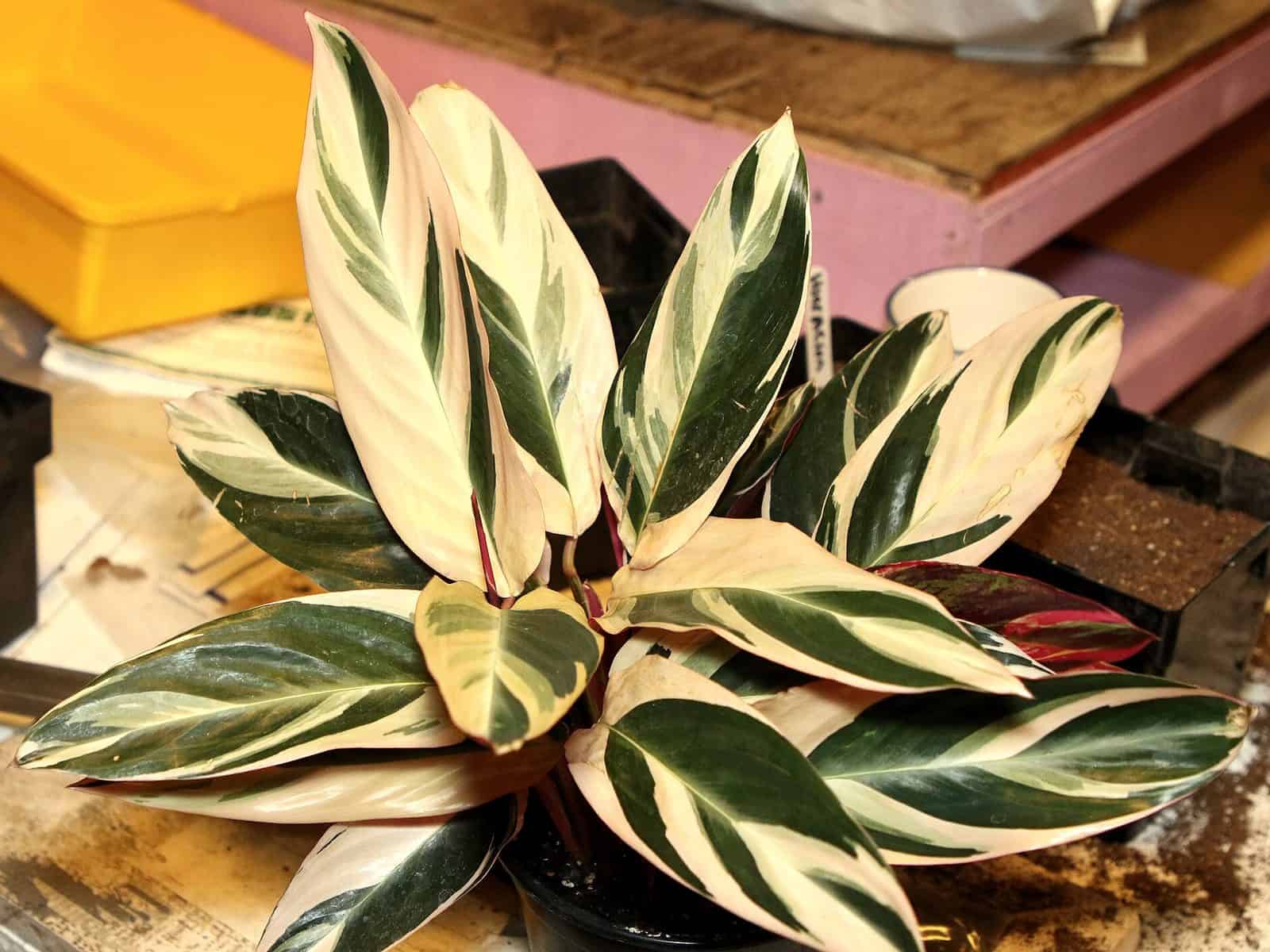
Stromanthe Triostar
Stromanthe sanguinea 'Triostar'
Stromanthe Triostar carries oblong leaves splashed in pink, cream and green, with a deep magenta underside.
View care guide
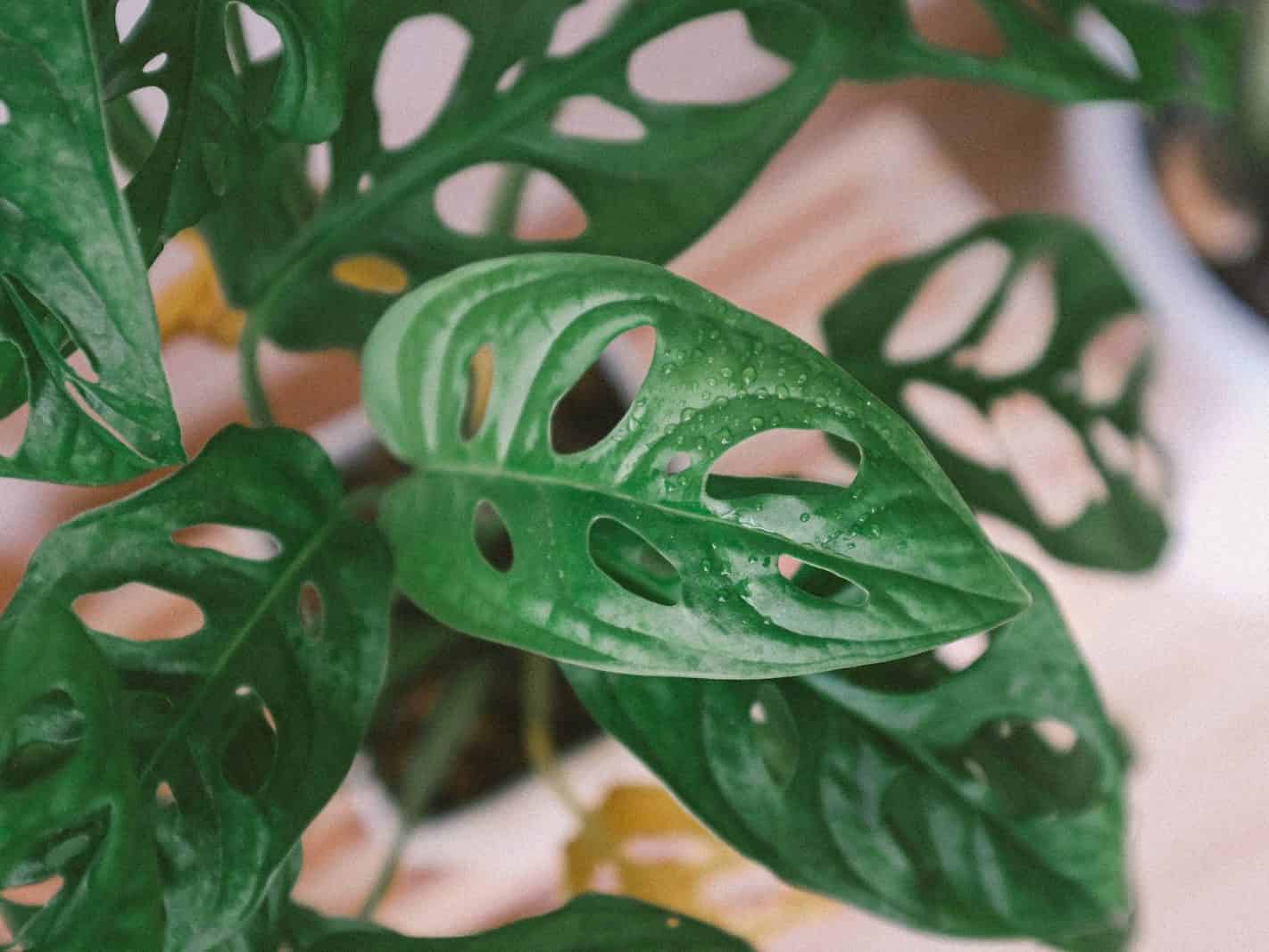
Swiss Cheese Vine
Monstera adansonii
Swiss cheese vine is a smaller, faster-growing relative of the monstera, with leaves 10–20cm long that are covered in oval holes rather than deep splits.
View care guide
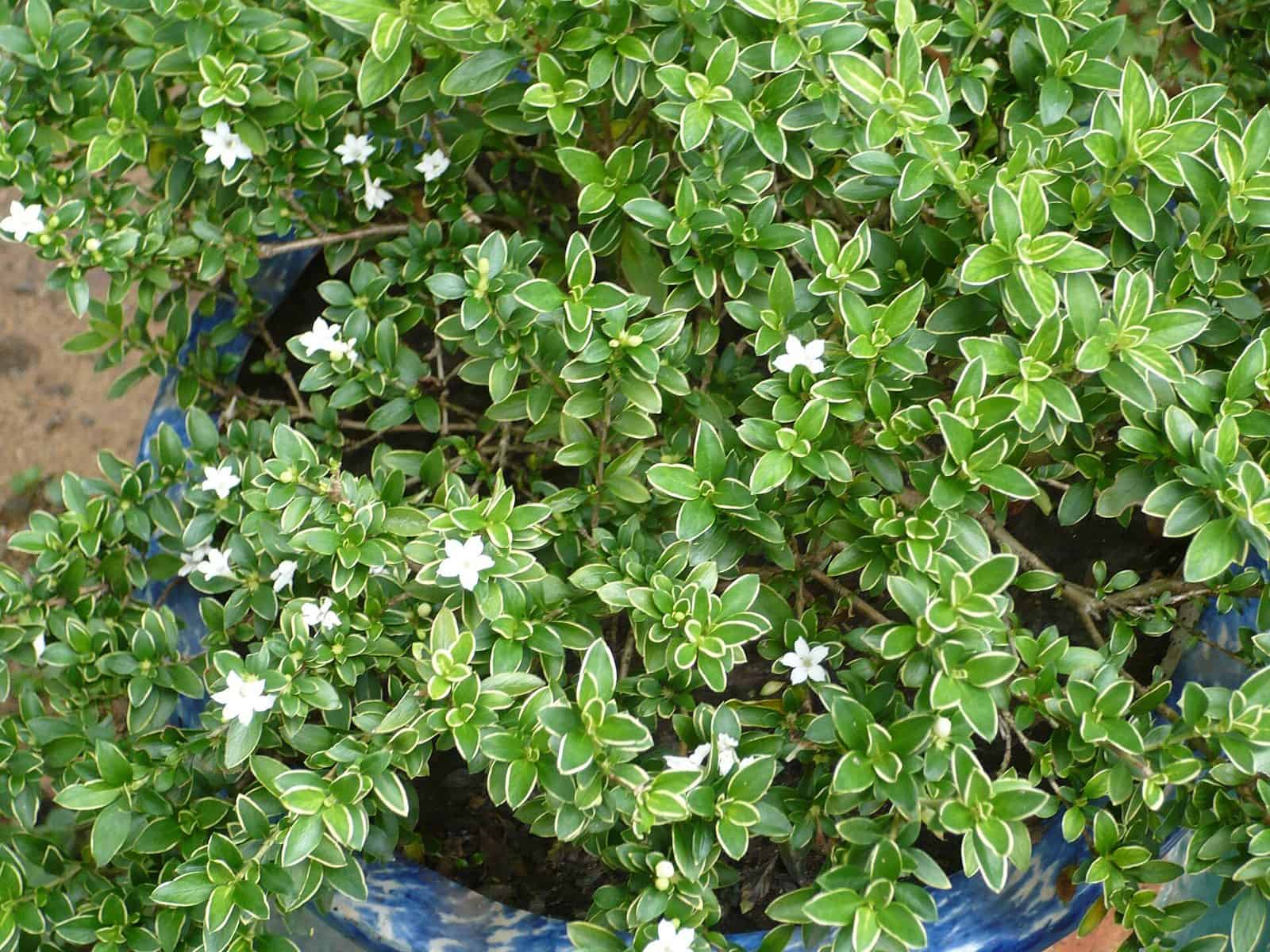
Tree of a Thousand Stars
Serissa foetida
Tree of a thousand stars — Serissa foetida — is a compact, woody shrub with tiny oval leaves on fine, twiggy branches, naturally forming the shape of a miniature tree.
View care guide
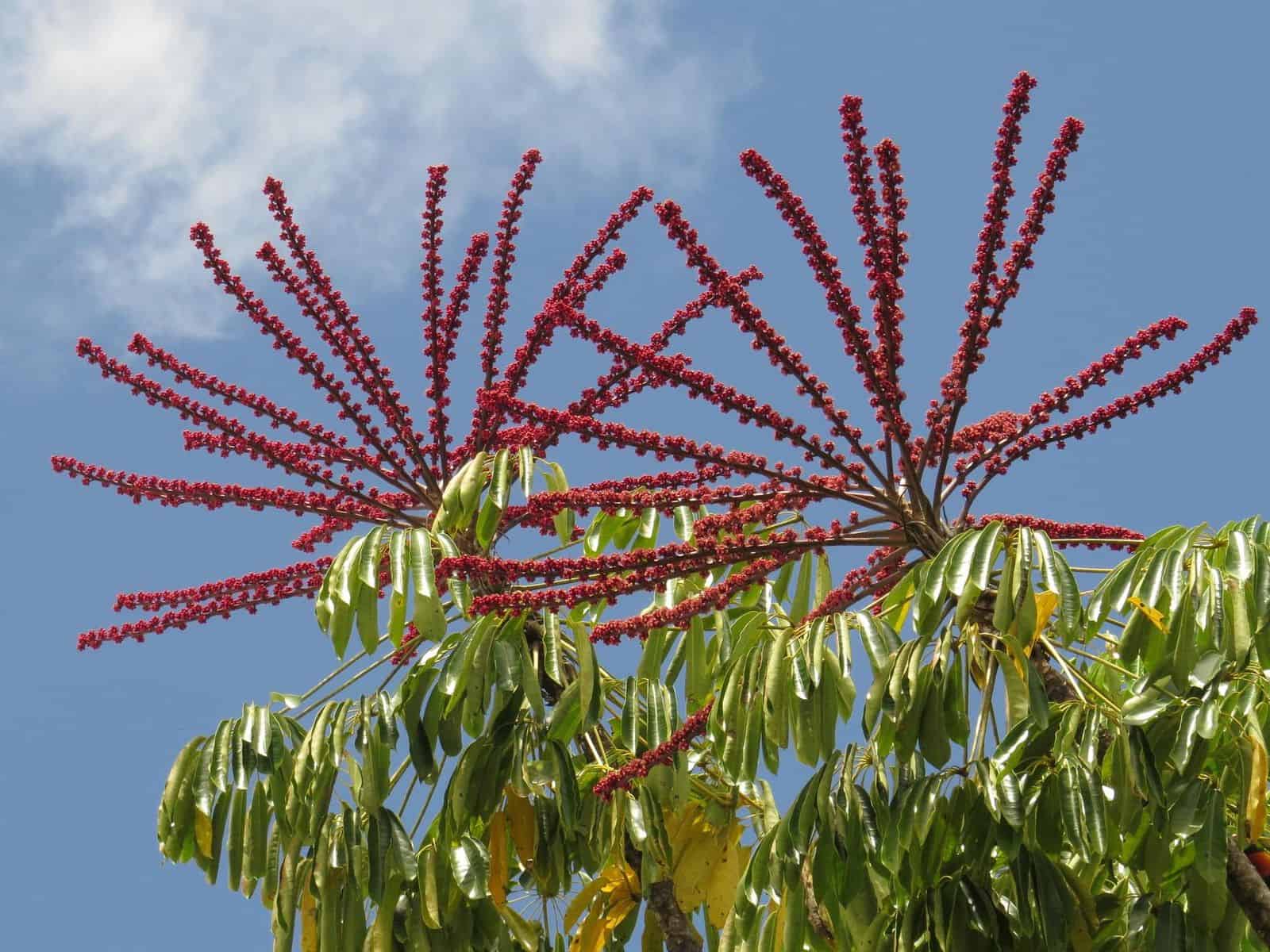
Schefflera Amate
Schefflera actinophylla 'Amate'
Umbrella tree, Schefflera actinophylla 'Amate', carries bold, palmate leaves — shaped like an open hand — on upright stems, typically reaching 1.
View care guide
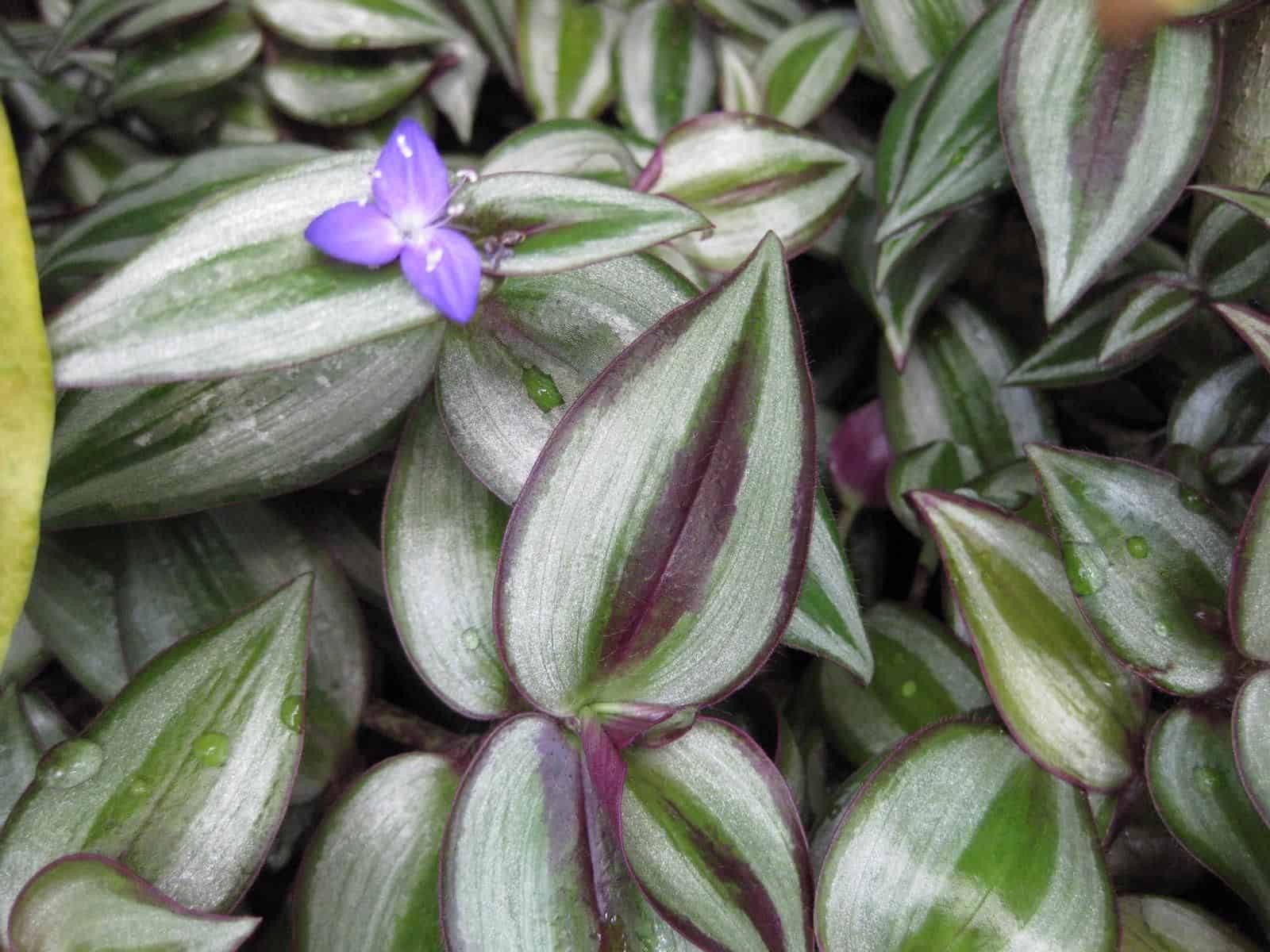
Tradescantia
Tradescantia
Wandering dude is the common name for a group of fast-growing trailing plants in the genus Tradescantia, most commonly seen in a silver-and-purple striped variety with a metallic sheen.
View care guide
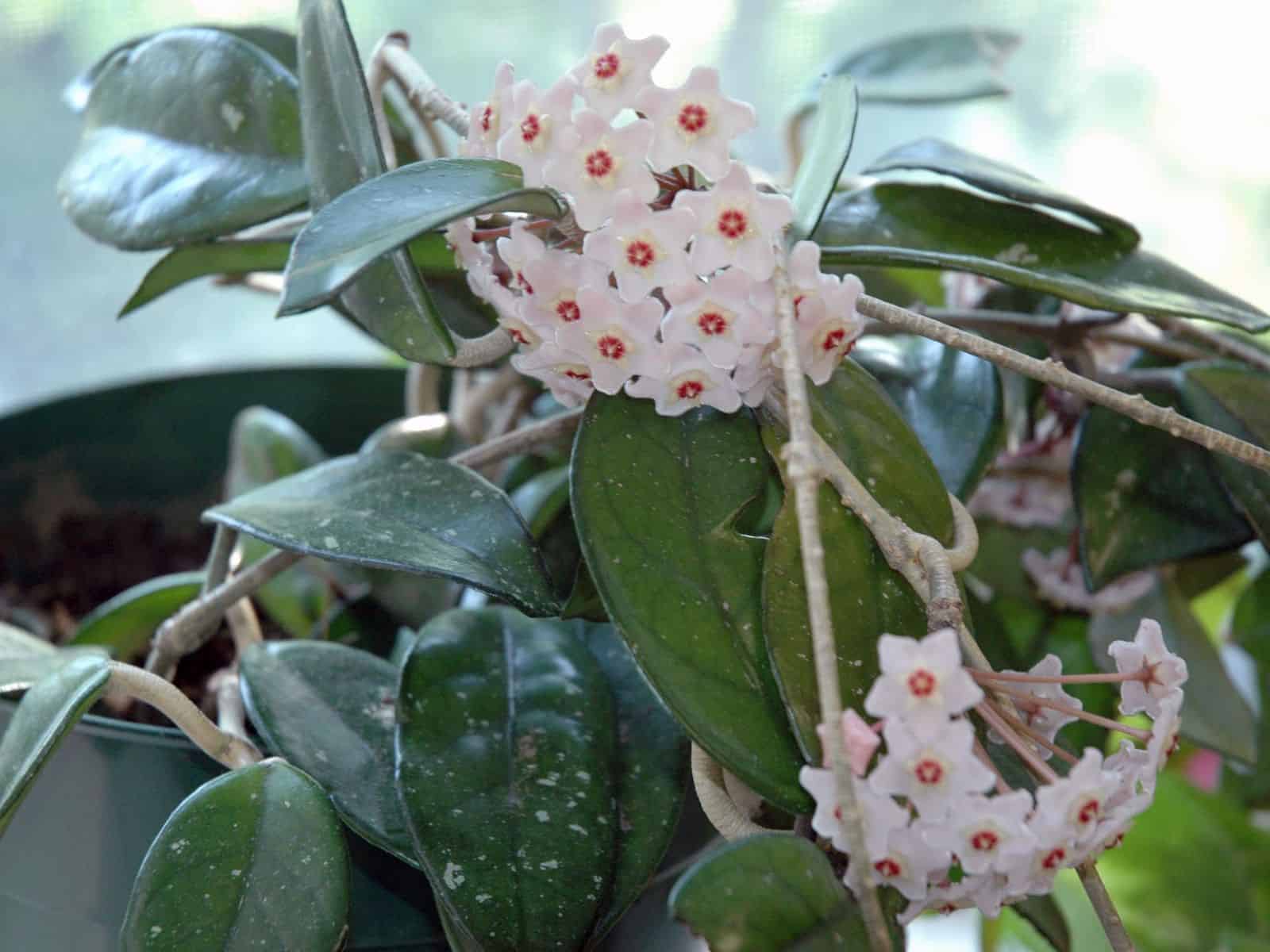
Wax Plant
Hoya carnosa
Wax plant, or Hoya carnosa, carries thick, glossy, waxy oval leaves on a trailing or climbing vine, and can be trained up a trellis or left to trail from a shelf.
View care guide
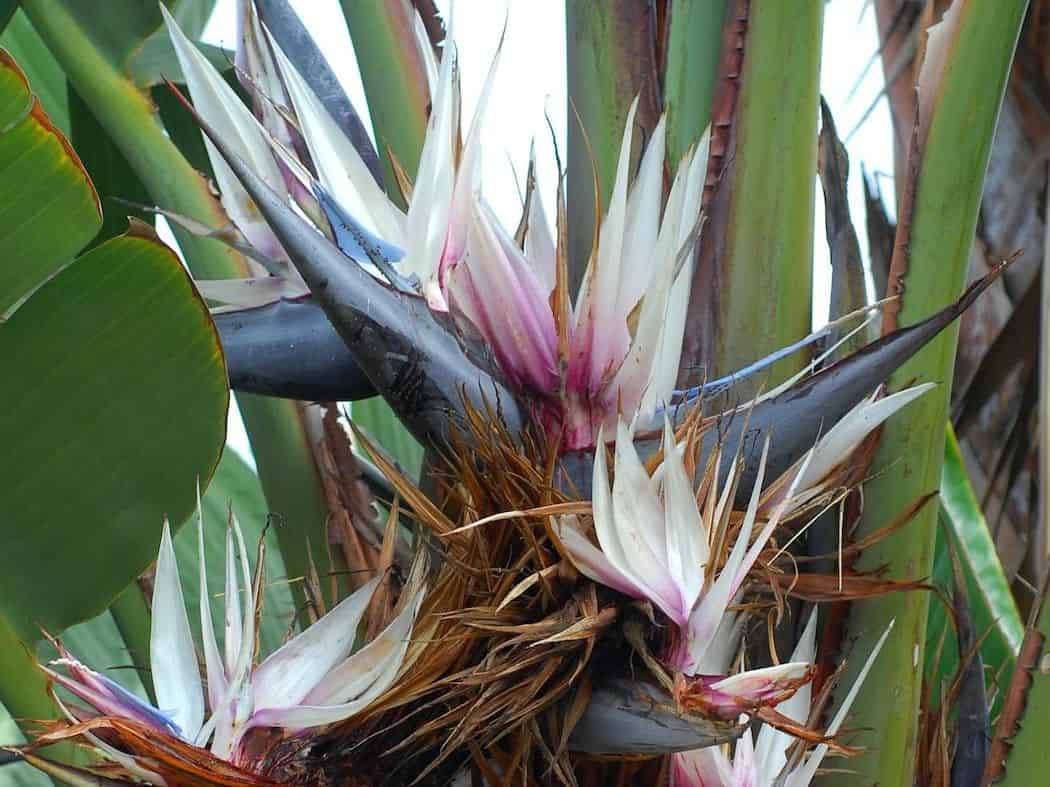
Bird of Paradise
Strelitzia nicolai
White bird of paradise, Strelitzia nicolai, carries large, banana-like leaves on a clumping, fast-growing plant that can reach around 1.
View care guide
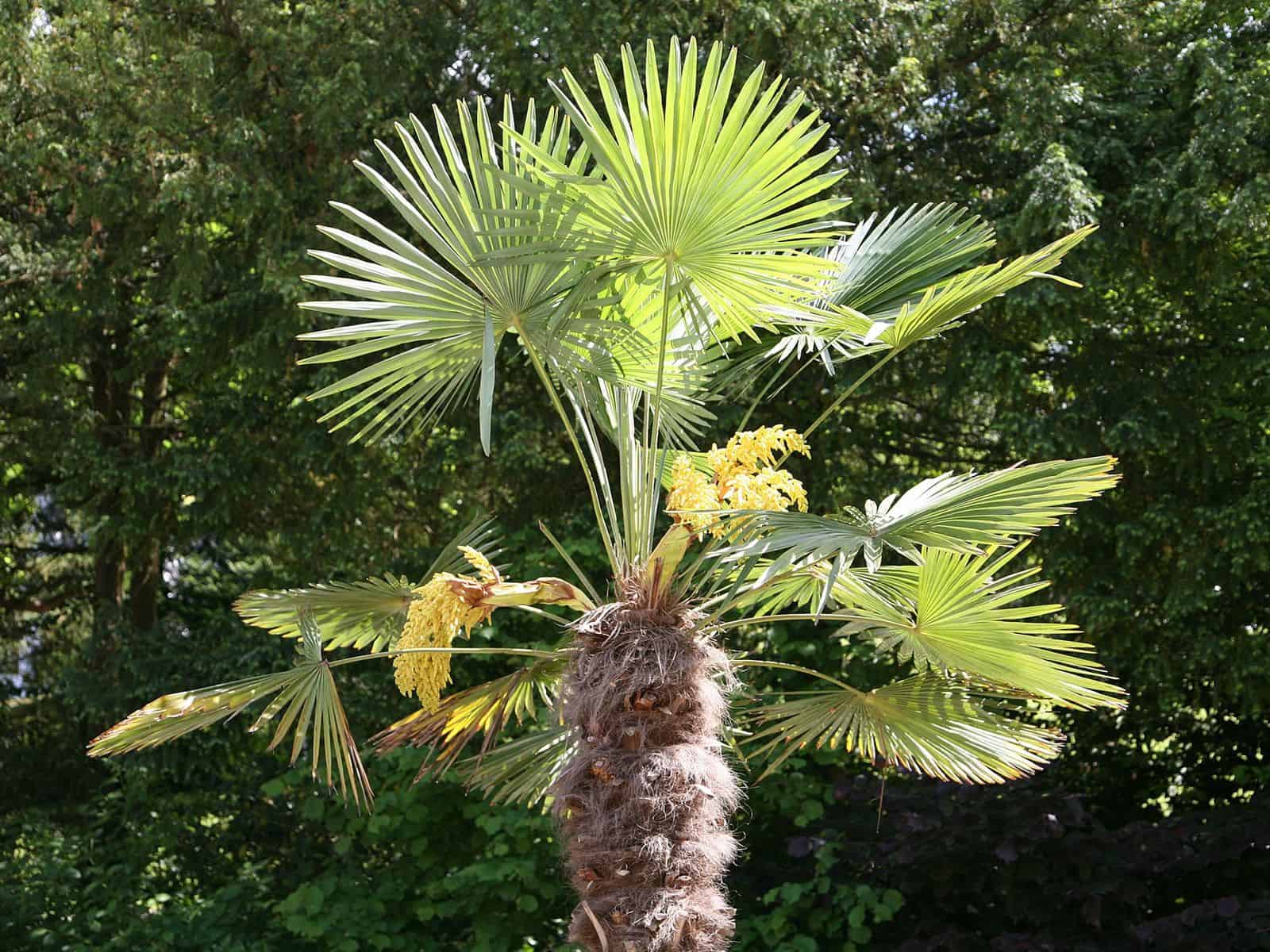
Windmill Palm
Trachycarpus fortunei
Windmill palm, Trachycarpus fortunei, is a single-trunk fan palm, its trunk wrapped in distinctive brown fibrous matting, with fronds that fan out from the top.
View care guide
Not sure which plants are right for your office?
Our specialists will assess your space — lighting, layout, traffic, and style — and recommend the perfect plants for your team.