
Aspidistra
Aspidistra elatior — The Nearly Indestructible Corridor Plant
Photo: source · CC BY-SA 3.0
Light
Low light — survives in windowless offices and fluorescent hallways. Earned its "Cast Iron" name from Victorian-era barrooms where it survived gas lighting, coal dust, and neglect.
Water
Tolerates evening temperatures down to near-freezing — suitable for lobbies with frequent door openings.
Humidity
Prefers moderate to high humidity. Leaf edges brown in dry winter heating.
Temperature
18–27°C (65–80°F). Keep away from cold drafts and heating vents.
Difficulty
Easy
Sizes
Tabletop (under 1.5 ft) · Mid-floor (around 2 ft) · Floor specimen (2.5 ft+)
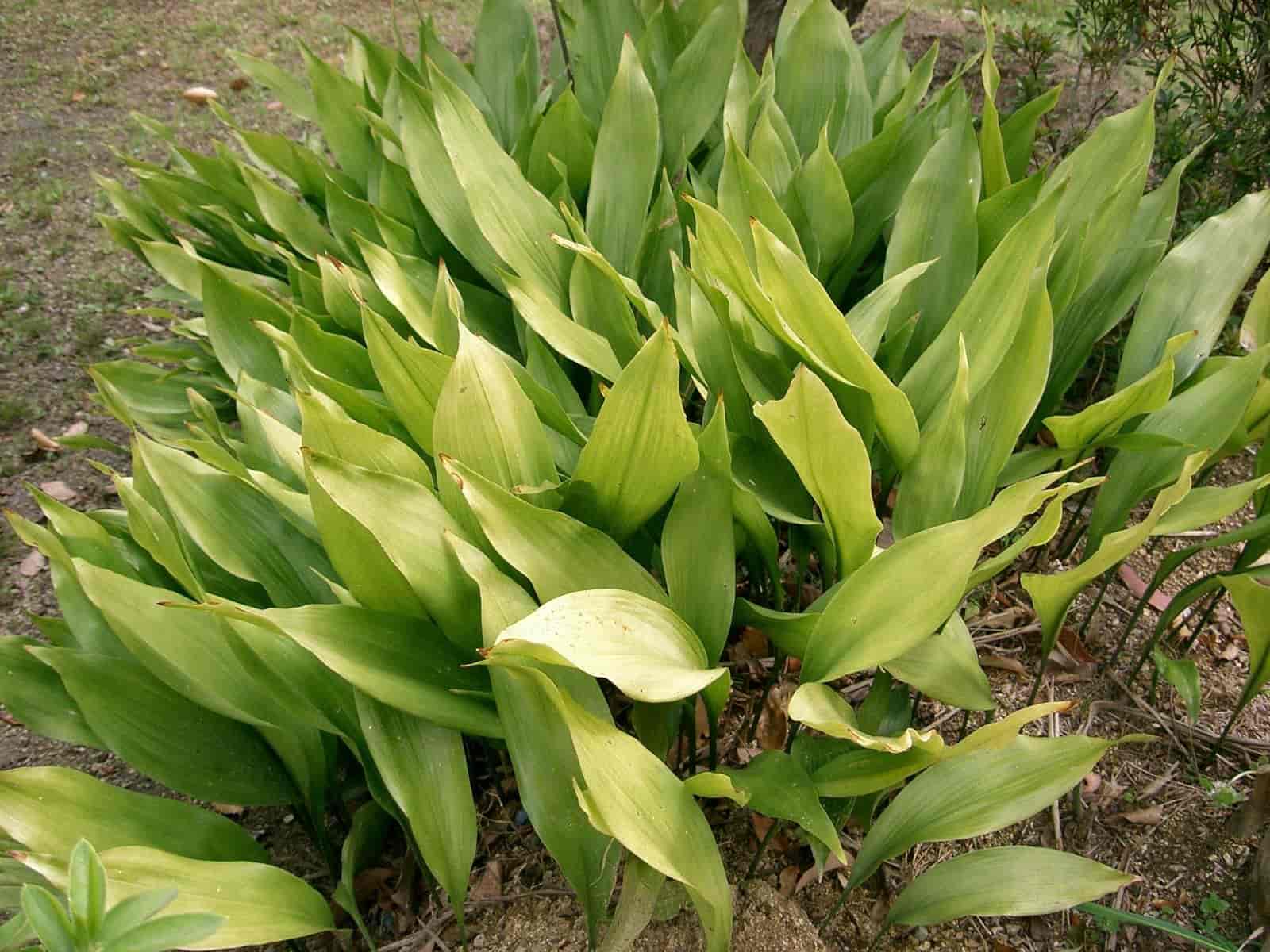
The cast iron plant (Aspidistra elatior) grows dark green, strap-like leaves in a slow-spreading clump from a rhizome, reaching 1.5–2.5ft tall. It earned its name in Victorian-era barrooms, where it was one of the only plants that survived gas lighting, coal dust, and general neglect. A cast iron plant that looks the same after six months is doing exactly what it's meant to do.
In the Office
This is the plant for the space nothing else will survive — it tolerates low light well enough for windowless offices and fluorescent hallways. It's non-toxic, so it's a safe choice anywhere pets or visitors might brush against it. Growth is very slow, so don't expect visible change; the value here is reliability, not speed.
Why Choose This Plant
Benefits for Your Office
- Survives low light and fluorescent-only hallways where most other plants fail
- Non-toxic to cats and dogs, safe for any office environment
- Extremely low-maintenance once placed, needing very little ongoing attention
- Reliable, unchanging presence that holds its look for months at a time
Where to Place It
Office Placement Ideas
- 1
Windowless interior offices and fluorescent-lit hallways, where few other plants can survive
- 2
Corridors and transition spaces with heavy foot traffic but little natural light
- 3
Lobbies with frequent door openings, since it holds up well to temperature swings near entrances
How to Care for It
Care Tips for Office Environments
- Remove any damaged or yellowed leaves at the soil line to keep the clump tidy
- When it comes to watering, err on the side of too little — overwatering causes rhizome rot
- Check leaf undersides for spider mites at every visit, especially from October through April
- Treat scale insects on leaves and stems with an alcohol-soaked cloth
Want Aspidistra in your office?
Our team will recommend the right variety and size for your space, deliver and install it, and keep it thriving with ongoing care.