
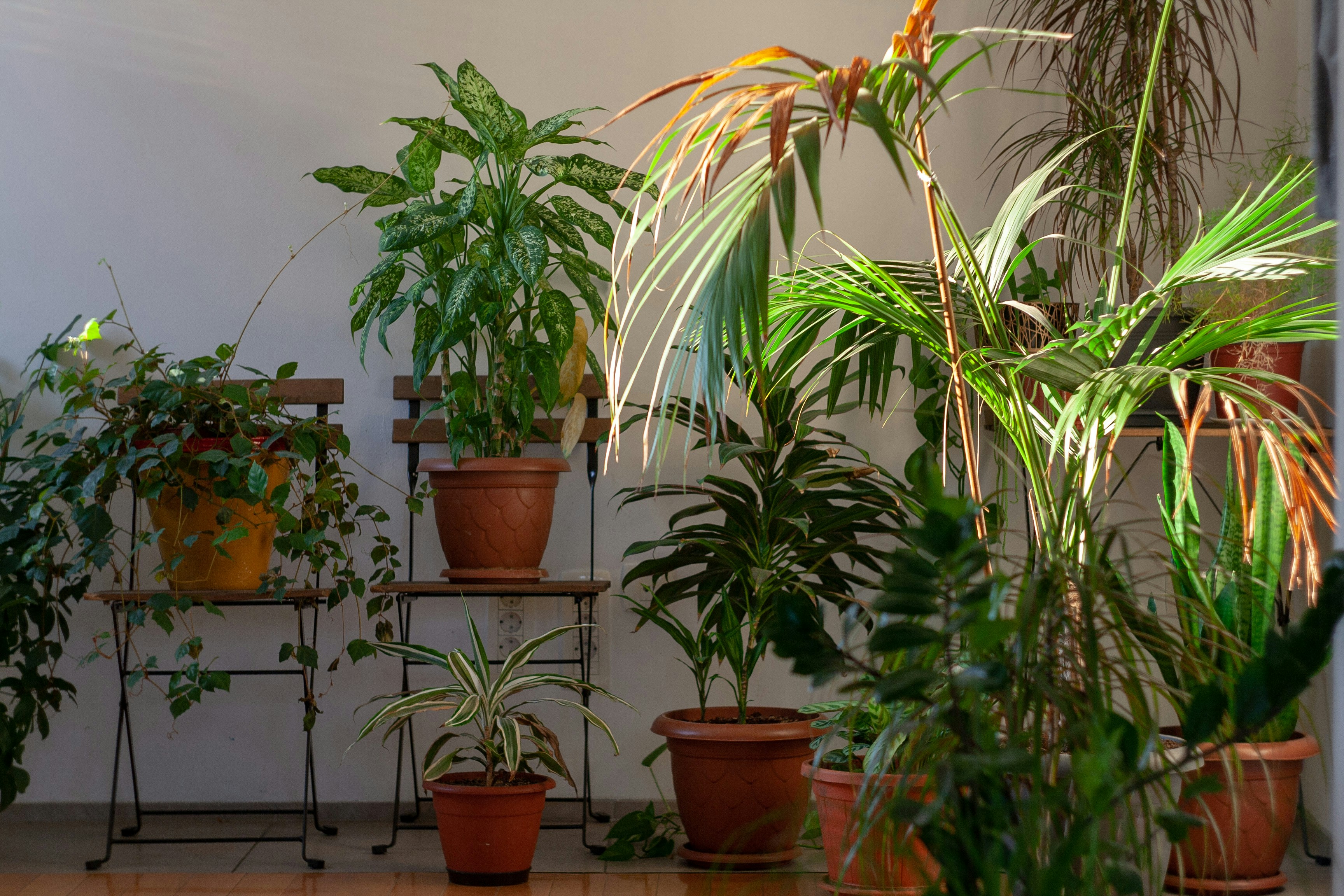
Summer in Toronto is prime vacation season. Offices go quiet. Staff scatter. And the plants — pothos trailing across the windowsill, the snake plant in the corner, the peace lily on the reception desk — get left behind.
Between Canada Day on July 1, the Civic Holiday on August 4, and Labour Day on September 7, Toronto offices can close for three to five consecutive days at a stretch. Some companies add extra days around long weekends, or let staff burn down vacation before fiscal year-end. By the time someone walks back in on Tuesday morning, the plants have been unattended for the better part of a week.
That's when the problems start.
What Actually Happens to Your Plants During a Long Closure
Office buildings in summer are not stable environments. HVAC systems often run at reduced capacity on weekends and holidays. Surface temperatures near windows climb. Humidity drops. And no one is topping up the water.
Here is what that combination does to common Toronto office plants:
- Pothos (Epipremnum aureum) can tolerate some drought, but prolonged heat with dry soil causes leaves to yellow and drop. Once a pothos drops leaves from heat stress, it takes four to six weeks to push new growth.
- Snake plants (Dracaena trifasciata) are forgiving but not indestructible. Extended heat with no airflow encourages fungal issues at the soil line, especially when weekend humidity gets low.
- ZZ plants (Zamioculcas zamiifolia) store water in their rhizomes and can handle a missed watering — but repeated multi-day closures across the summer accumulate into root stress that shows up as yellowing by September.
- Peace lilies (Spathiphyllum) are the most sensitive of the group. They will wilt visibly within two to three days of dry soil in warm conditions, and they do not always bounce back cleanly from a dramatic wilting episode.
Matching your plant choices to your office's closure patterns matters — some species handle gaps far better than others.
The Compounding Effect: One Bad Long Weekend Becomes a Months-Long Problem
This is the part that catches most office managers off guard. A plant that looks "a bit rough" on Tuesday after a long weekend is not just a cosmetic issue. It is a plant whose defenses are down.
Stressed plants are significantly more vulnerable to spider mites, fungus gnats, and scale insects — all common in Toronto office environments. A pest population that a healthy plant would resist can take hold on a stressed one within days. By the time the infestation is visible, it has been established for weeks.
There is also the soil issue. Soil that dries out completely and then gets overwatered — in a well-meaning Tuesday panic session — develops anaerobic pockets that damage root structure. The plant looks watered, but it is actually worse off than before.
The result: a plant that needed a minor adjustment in June requires a full replacement by October.
What a Professional Maintenance Plan Prevents
A scheduled maintenance plan does not just mean someone waters your plants on a Tuesday. It means your plants have a care schedule built around your office calendar — including statutory holidays and known closures.
Before Canada Day, a professional care visit includes deep watering, a soil moisture check, and a pest inspection. Plants that should not sit in dry soil for five days get flagged and addressed. After the closure, the follow-up visit catches anything that emerged during the gap before it compounds.
That continuity is the difference between a living plant collection and a recurring replacement budget. We cover what this looks like in terms of investment in our Toronto office plant service cost guide.
A plan also means someone who knows your specific plants. When the same technician visits monthly, they notice that the fiddle leaf fig near the east window always dries out faster in July, or that the pothos wall needs extra attention after the Civic Holiday. That kind of continuity is not possible with ad hoc, one-off care.
Get a Free Assessment Before the Summer Rush
The best time to set up a maintenance plan is before the first long weekend, not after. If your plants are already on a service schedule, now is a good time to confirm it accounts for summer closures. If they are not, a professional assessment takes about 30 minutes and gives you a clear picture of what a care plan would involve.
Contact Benji's for a free office plant care assessment — we serve offices across Toronto and the GTA, and we know the specific conditions that summer closures create for indoor plant collections.
Photo by Marko Sabolić on Unsplash