
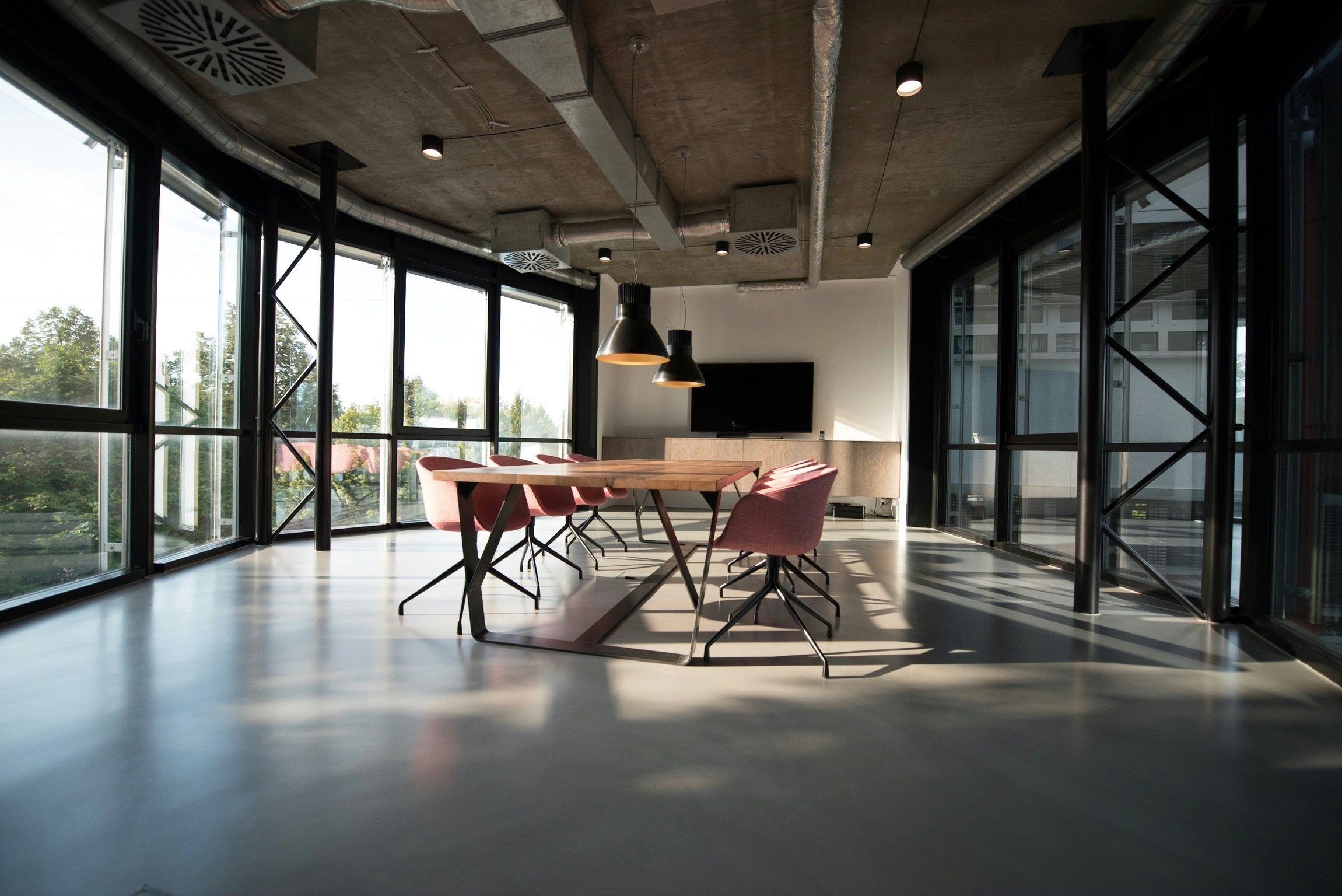
Your boardroom table is perfectly polished. The reception desk is freshly decluttered. But the sad, dusty plant in the corner — the one that's been there since the last office manager left — is quietly undermining everything else.
First impressions in business spaces happen fast, and plants are part of that impression whether you intend them to be or not. The right plant in a boardroom or reception area signals that your company is attentive, thoughtful, and takes its environment seriously. The wrong one sends the opposite message. If your Toronto office is due for a summer refresh — and many are, given how much lighter foot traffic gets in June and July — this is the right time to get it right.
Why Boardrooms and Reception Areas Demand a Different Approach
Not every office space is the same. An open workspace can hide an imperfect Pothos in a back corner. Boardrooms and reception areas cannot. These spaces are scrutinized: by clients walking in for a pitch, by candidates arriving for interviews, by senior leadership who notice when something looks off.
That scrutiny creates two requirements that don't always coexist easily: the plants need to look genuinely good — proportionate, healthy, intentional — and they need to stay that way between professional maintenance visits. The sweet spot is plants that are architecturally impressive but genuinely forgiving.
The Best Plants for Toronto Boardrooms
Boardrooms are typically interior spaces with controlled climate, often with fluorescent or LED lighting and limited natural light. Plants here need to tolerate those conditions without sulking.
Sansevieria (Snake Plant) is arguably the most reliable boardroom plant available. It tolerates low light, irregular watering, and air conditioning without complaint. Available in tall, upright varieties that read as sculptural rather than decorative, a well-chosen Sansevieria in a quality planter looks like a deliberate design decision — because it is.
ZZ Plant (Zamioculcas zamiifolia) brings a dark, glossy presence that suits boardrooms with contemporary or minimalist interiors. It thrives on neglect in a way that is genuinely remarkable: low light, infrequent watering, and dry air are not problems for the ZZ. The deep green foliage holds up exceptionally well between care visits.
Cast Iron Plant (Aspidistra elatior) earns its name. This plant handles temperature fluctuations, low light, and irregular care with the same equanimity your best employees bring to a difficult quarter. It won't wow visitors with drama, but it will look consistently professional.
For boardrooms where natural light is available — particularly south- or east-facing rooms — Bird of Paradise (Strelitzia reginae) becomes an option worth considering. A mature Bird of Paradise in a large format planter is a genuine statement piece. It requires more light than the options above, but in the right room, nothing else matches its impact.
The Best Plants for Reception Areas
Reception areas introduce new variables: heavier traffic, more variable lighting (often including windows), and more continuous human exposure. They're also the space where clients and candidates form their first opinion of your company.
Pothos (Epipremnum aureum) remains a staple for good reason. In a reception area with a credenza or shelving unit, a trailing Pothos in a quality vessel adds warmth and movement. It tolerates a range of light conditions, grows quickly enough that it always looks abundant, and is nearly impossible to kill under normal office conditions.
Peace Lily (Spathiphyllum) is an excellent choice where you want soft texture and occasional white blooms. It communicates care without feeling corporate. Peace Lilies also do well in moderate indirect light and will visibly droop when they need water — useful feedback in a busy environment.
Fiddle Leaf Fig (Ficus lyrata) has earned a reputation as temperamental, but in a stable environment — consistent temperature, no drafts, good indirect light — it delivers a design payoff that few other plants match. Reception areas near south-facing windows in Toronto offices are good candidates. The large, sculptural leaves read as high-design without requiring exotic care.
Rubber Plant (Ficus elastica) is a lower-drama alternative to the Fiddle Leaf Fig with similar visual weight. The deep burgundy or dark green foliage is striking in a contemporary reception area, and it handles the fluctuations in humidity and temperature that Toronto offices see between seasons.
For reception areas that see genuinely heavy foot traffic — where plants might get bumped or brushed — Dracaena varieties offer height and interest in a form that is durable and low-maintenance. A Dracaena marginata with its slender, architectural trunk and spiky crown works especially well in corners where you want vertical presence.
Sizing, Planters, and Placement: What Most Offices Get Wrong
The plant choice matters less than people think. The planter and the scale matter more.
A small plant on a large reception desk looks like an afterthought. A correctly sized planter — one that anchors the space proportionally — makes the same plant look intentional. As a rough guide: reception areas benefit from at least one plant that reaches 1.5 to 2 metres in height, whether that's a Bird of Paradise, a tall Sansevieria, or a Fiddle Leaf Fig in a large vessel.
Planters in professional settings should be neutral — matte whites, blacks, concrete finishes, or warm terracottas in the right interior — not plastic nursery pots. The container communicates as much as the plant itself.
If you want to understand how plant selection connects to the broader design choices in your office, this guide to biophilic design principles covers the underlying theory in practical terms.
Summer Is the Right Time to Make This Change
Toronto businesses have a natural window for office improvements in June and July. Lighter staff, fewer client-facing events, and reduced internal meetings make this the practical time to bring in new plants, move furniture, or refresh a reception area that's been static for two years.
Plants installed during summer also benefit from better ambient light and more stable temperatures — conditions that help them establish before the heating season begins in fall.
How Benji's Plant Care Approaches Boardrooms and Reception Areas
At Benji's Plant Care, boardroom and reception consultations are not about selling you the most plants — they're about identifying the two or three plants that will make the most visible difference in the spaces that matter most.
Our Design and Installation service covers the full scope: site assessment (light levels, traffic patterns, HVAC placement), plant selection, sourcing, installation, and the right planter choices for your interior. We then connect that installation directly to an Ongoing Plant Maintenance plan, so the plants you invest in actually stay looking the way they did on day one.
If your Toronto office is heading into a summer refresh and you want the plant selection handled by people who do this professionally, reach out to Benji's for a free Design and Installation consultation. We'll come to your space, assess what's there, and tell you exactly what would work — no obligation, no generic list.
Book your free Design and Installation consultation today.
Photo by Nastuh Abootalebi on Unsplash