
The Brief
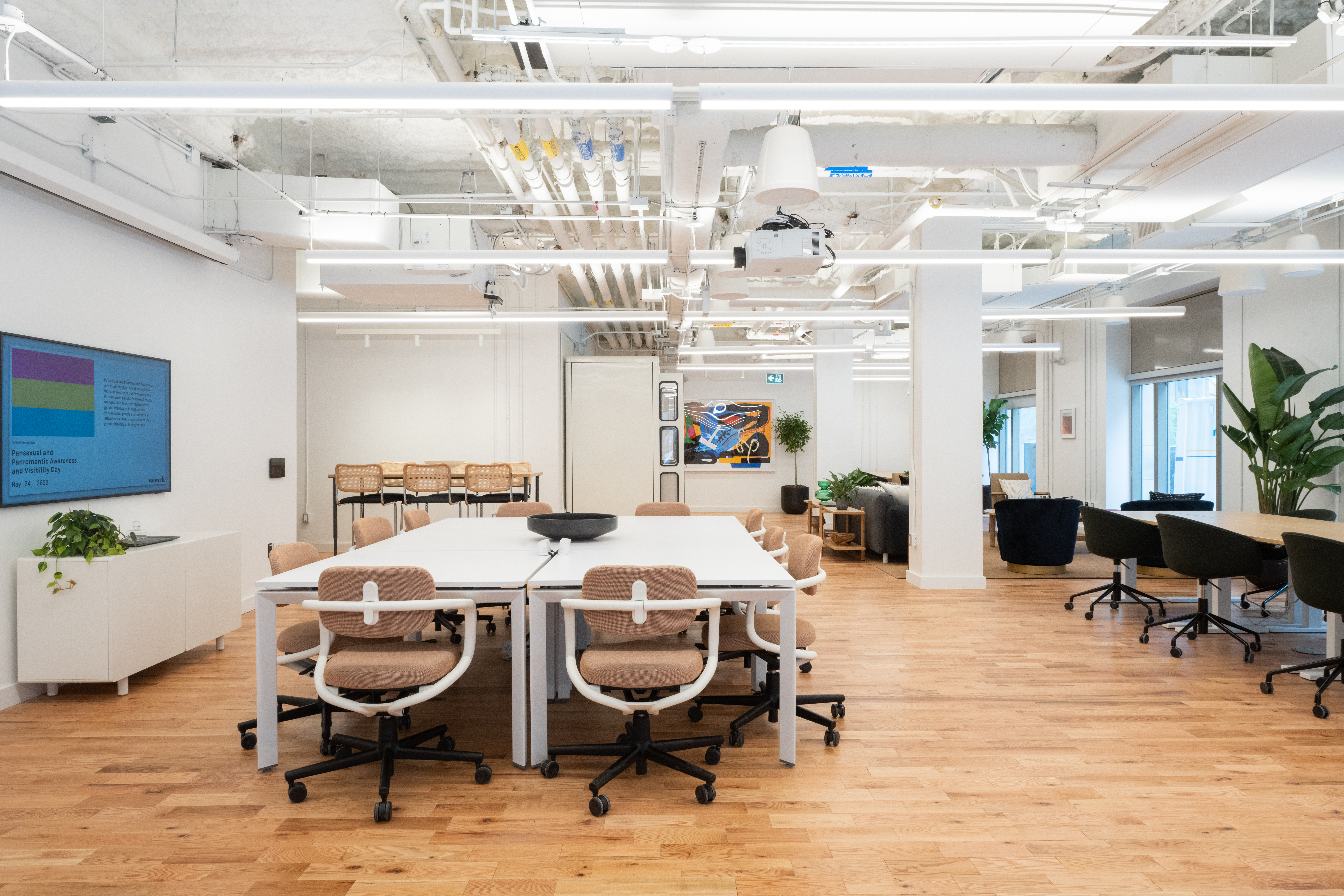
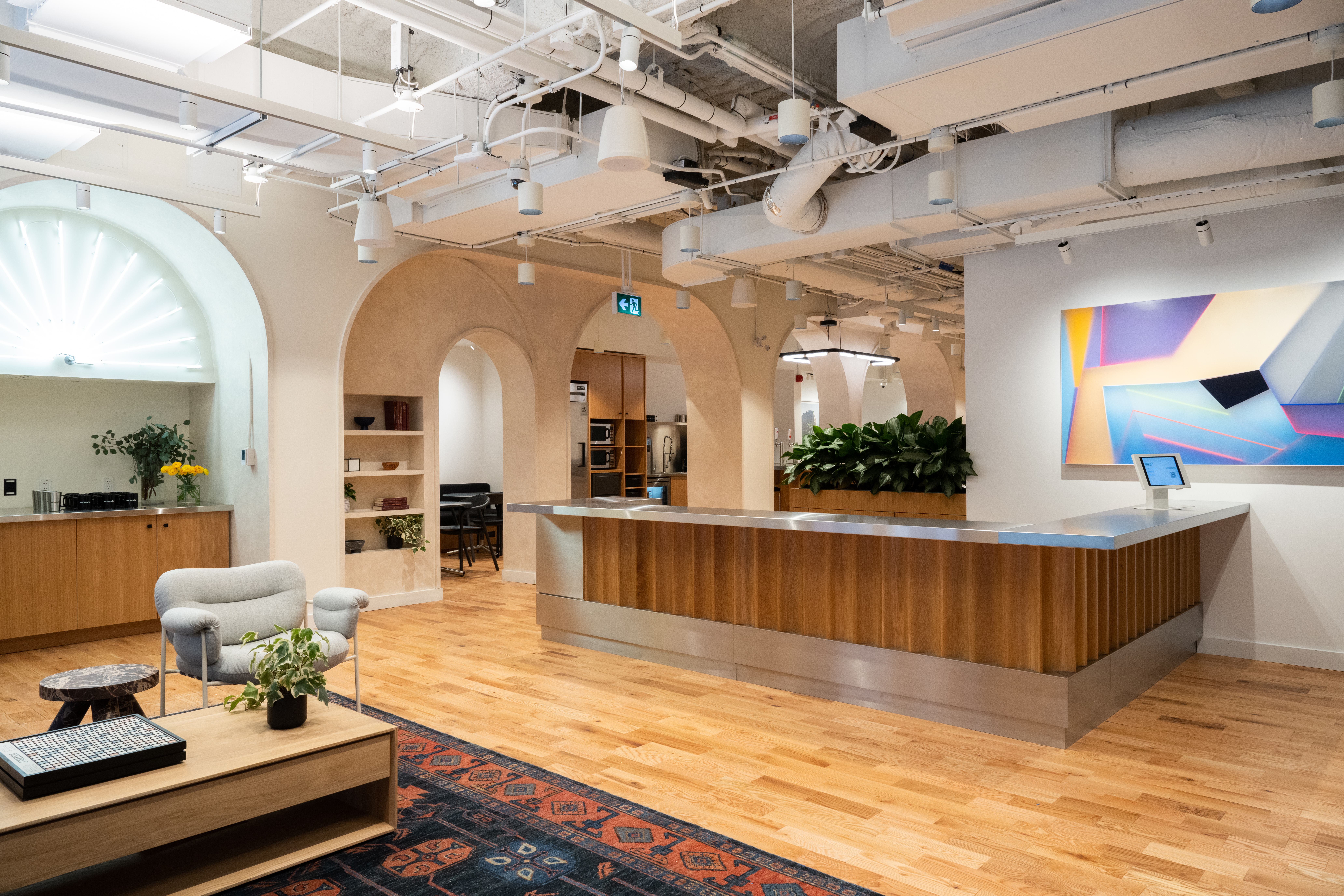
WeWork's Toronto portfolio spans 8 locations across the city — and they needed a plant partner who could operate at that scale without adding operational overhead. Our program had to feel premium and consistent everywhere, while adapting to spaces that vary significantly in size, layout, and natural light.
The solution had to work at two levels: a signature environment in the shared spaces every member experiences, and a curated plant amenity for private office members who wanted greenery of their own.
A Design System Built to Scale
Rather than designing 8 independent programs, we built one cohesive system with room to adapt. Species palettes, vessel styles, and installation typologies are consistent across all locations — so members moving between WeWork spaces in Toronto recognize the same quality and aesthetic.
357 Bay Street became our flagship reference. Working with WeWork's team, we installed hanging planters at varying heights along the main circulation path — creating a canopy effect that transforms a corridor into a destination. Species were selected for trailing growth and tolerance of indirect light: Epipremnum aureum, Scindapsus pictus, and Tradescantia in matte terracotta and charcoal vessels.
The Lobby Statement
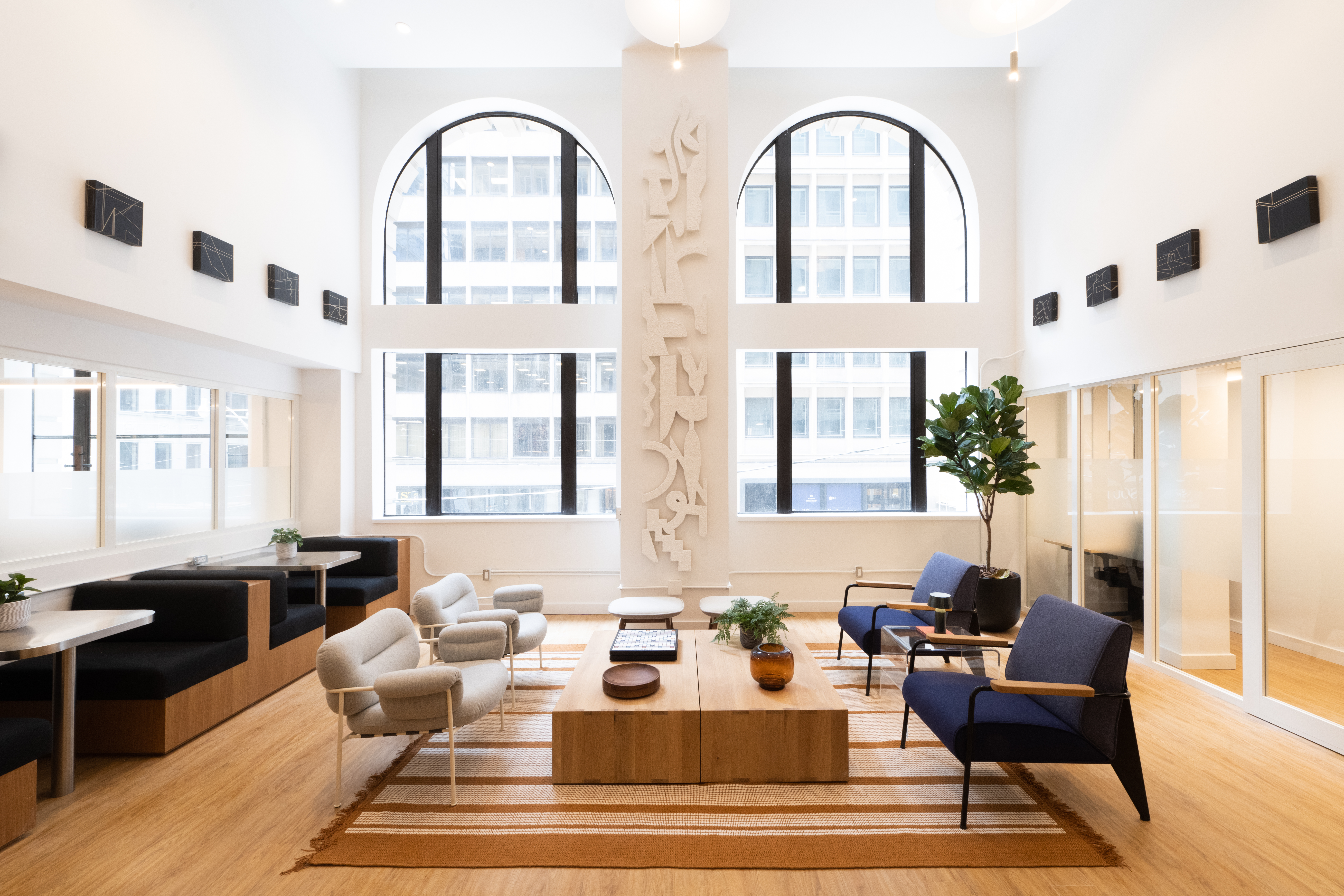
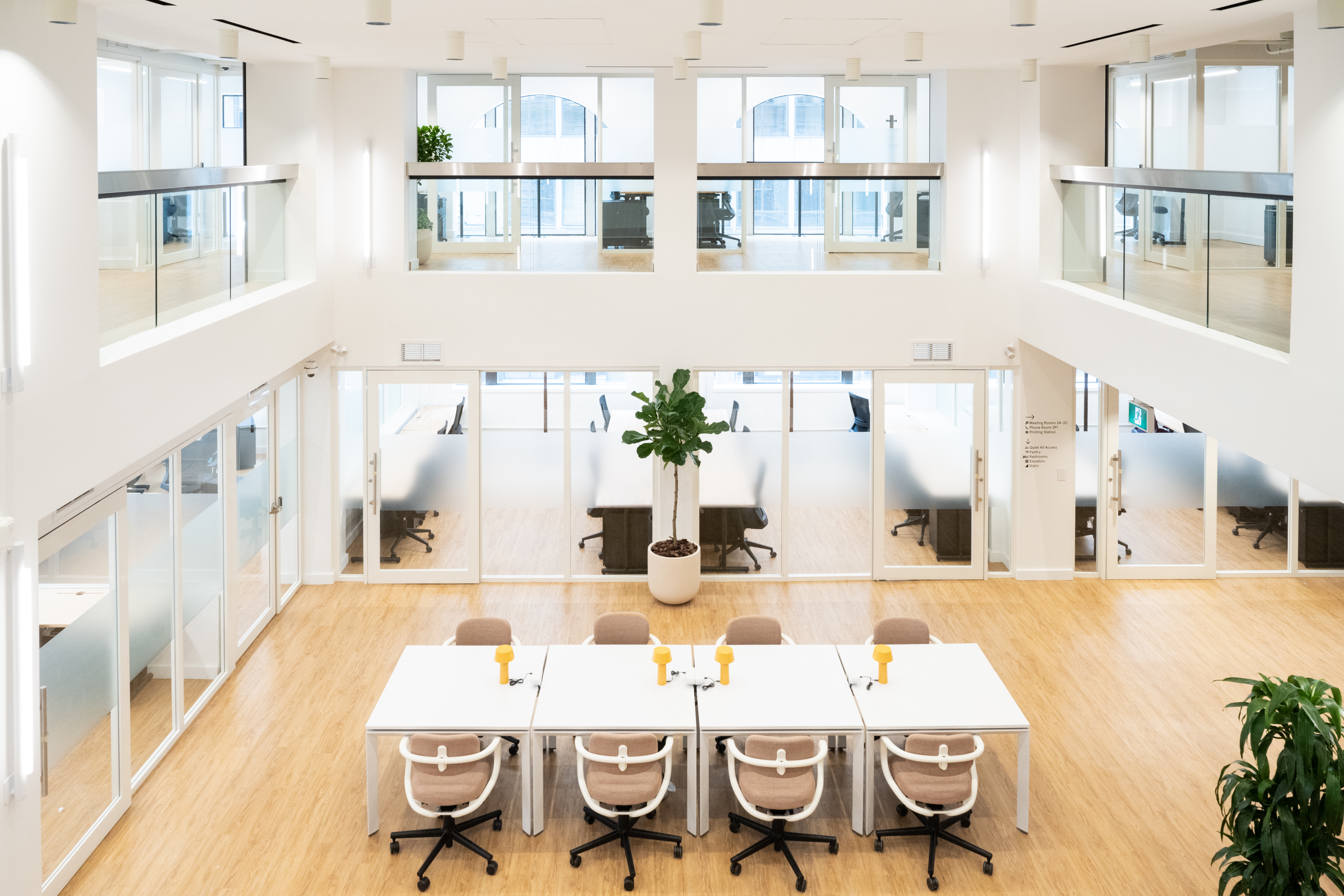
The main entrance lobby at 357 Bay received the most visible installation: a 2.5-metre Ficus lyrata flanked by two architectural Dracaena marginata specimens in oversized cream ceramic vessels. The combination creates an immediate impression on arrival — members have told us it makes the space feel less like coworking and more like a premium private office.
This approach is replicated at each location, scaled to fit the proportions of each lobby.
Member Amenity Kit
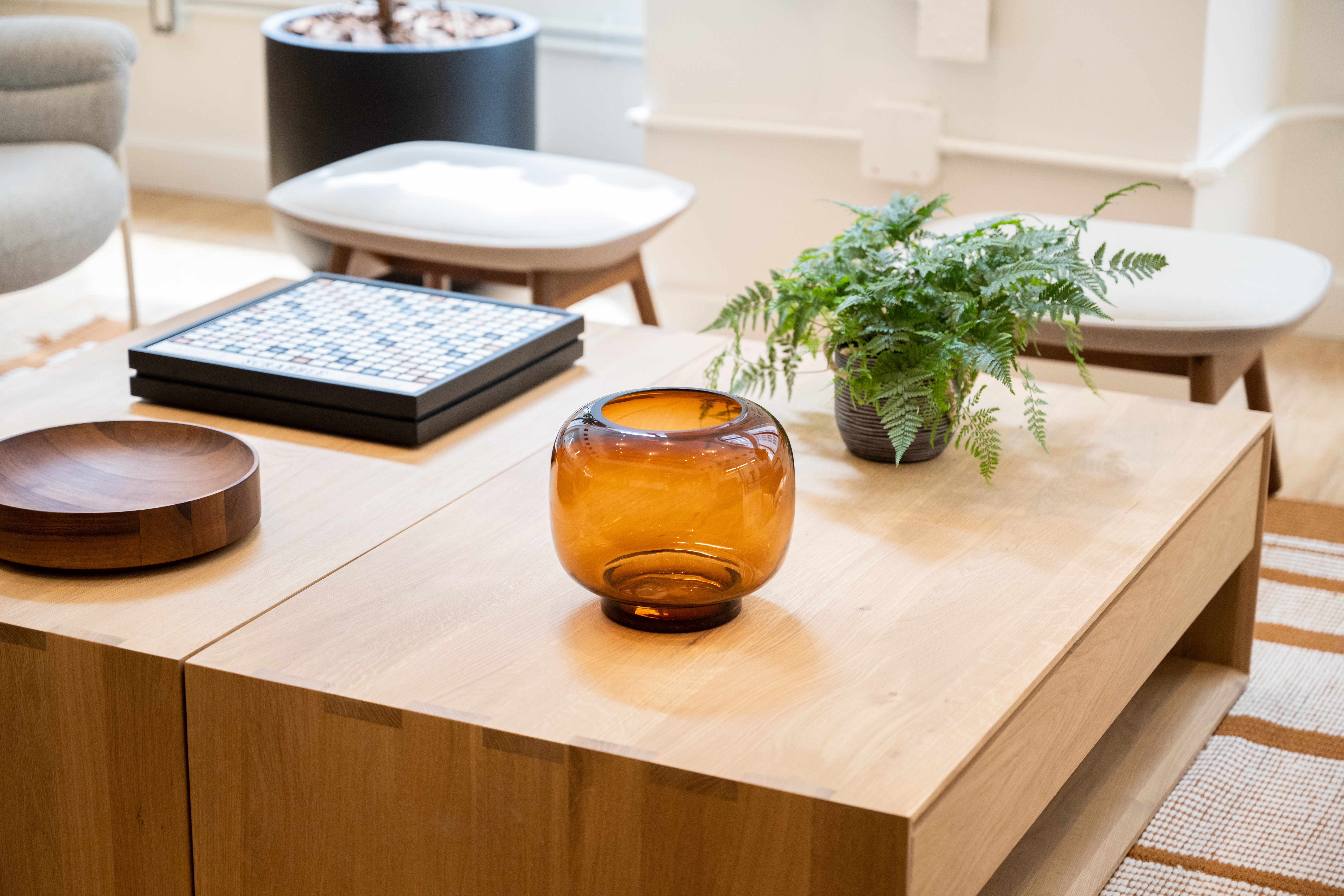
The private-office kit is modular: three plants in coordinated vessels, scaled to fit offices from 2-person rooms to 10-person suites. Every kit across all 8 locations is maintained as part of our weekly building visits — members don't need to do a thing.
Maintaining a consistent experience across 8 buildings, dozens of common areas, and hundreds of private offices requires more than good plants. It requires systems, logistics, and a team that treats every location as if it were the only one.