
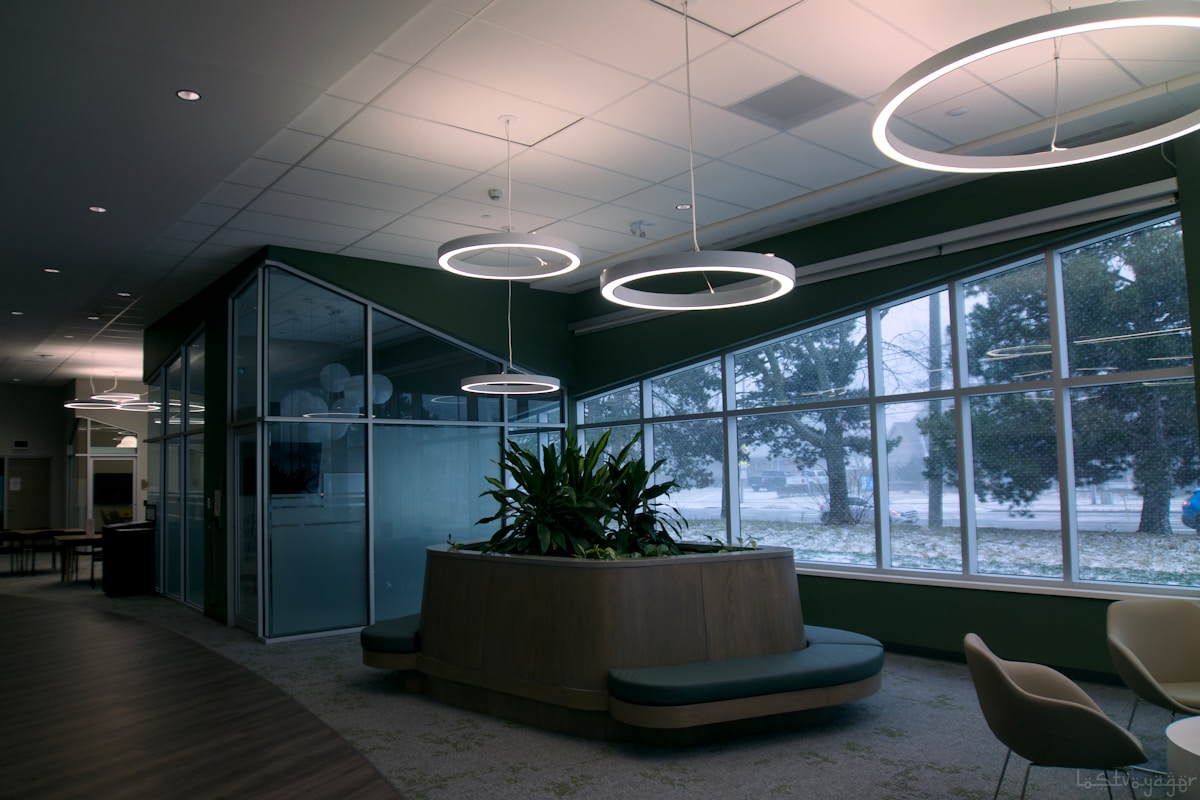
Summer arrives in Toronto and you'd think office plants would love it — longer days, more light through the windows, warmer temperatures. But June and July are often when Benji's gets the most "why are my plants dying?" calls.
The culprit is almost never the heat. It's the air conditioning.
The AC + Plant Trap
When you turn the HVAC to full blast in a Toronto summer, you're doing two things to your plants:
Creating cold, dry air. Most office plants — pothos, snake plants, ZZ plants, peace lilies — originated in tropical or subtropical climates. They like warmth and moderate humidity. A vent blasting 18°C air directly onto a plant is the indoor equivalent of a cold wind. Leaves curl, yellow, and drop.
Disrupting watering cues. Air conditioning pulls moisture from the air. Soil near a vent dries out faster than you'd expect. Meanwhile, plants tucked away from vents may stay moist far longer. The result: the same watering schedule that worked all spring is now either starving some plants and drowning others.
Common Signs of AC Stress
Watch for these in June and July:
- Brown, crispy leaf edges — especially on plants near vents
- Yellowing lower leaves on otherwise healthy specimens
- Dracaena and Spathiphyllum dropping leaves suddenly
- Soil that dries out in 2–3 days (previously lasting a week)
- Wilting despite moist soil (cold air shock)
What Toronto Offices Do Wrong
Most office managers respond to declining plants by watering more. That typically makes things worse — roots sitting in consistently wet soil develop rot, and the plant declines faster.
The right response is to relocate or shield plants from direct vent exposure and recalibrate your watering cadence for the summer HVAC pattern.
A few moves that make a real difference:
- Reposition vulnerable plants at least 1.5 metres away from ceiling and floor vents
- Group plants together — clusters create a more humid microclimate
- Check soil, not schedule — water when the top 3–4 cm of soil is dry, not by the calendar
- Add a pebble tray with water beneath pots to boost local humidity without overwatering
Which Plants Handle AC Best
If your office has aggressive climate control and you want resilience over intervention:
- Snake plant (Sansevieria trifasciata) — thrives in a range of humidity and tolerates air movement
- ZZ plant (Zamioculcas zamiifolia) — drought-tolerant, unfazed by dry air
- Cast iron plant (Aspidistra elatior) — lives up to the name
- Pothos (Epipremnum aureum) — adaptable, though it will trail less vigorously in cold air
Plants to keep away from vents: peace lily (Spathiphyllum), calathea, fiddle leaf fig, and most ferns.
The Professional Advantage
The offices where plants consistently look sharp through the summer are almost never the ones watering more. They're the ones on a professional maintenance program — where someone is checking plant health, adjusting placements after HVAC changeover, and catching early stress before it becomes a dead plant.
At Benji's, our summer site visits include an HVAC-adjacency check for every installation. We've been doing this for 40 years in Toronto offices, and the pattern is remarkably consistent: the plants that survive summer best are the ones someone is watching.
If your plants are already showing AC stress, a complimentary health assessment can diagnose what's happening and give you a plan. Get in touch with the Benji's team.
Photo by lost voyager on Unsplash