
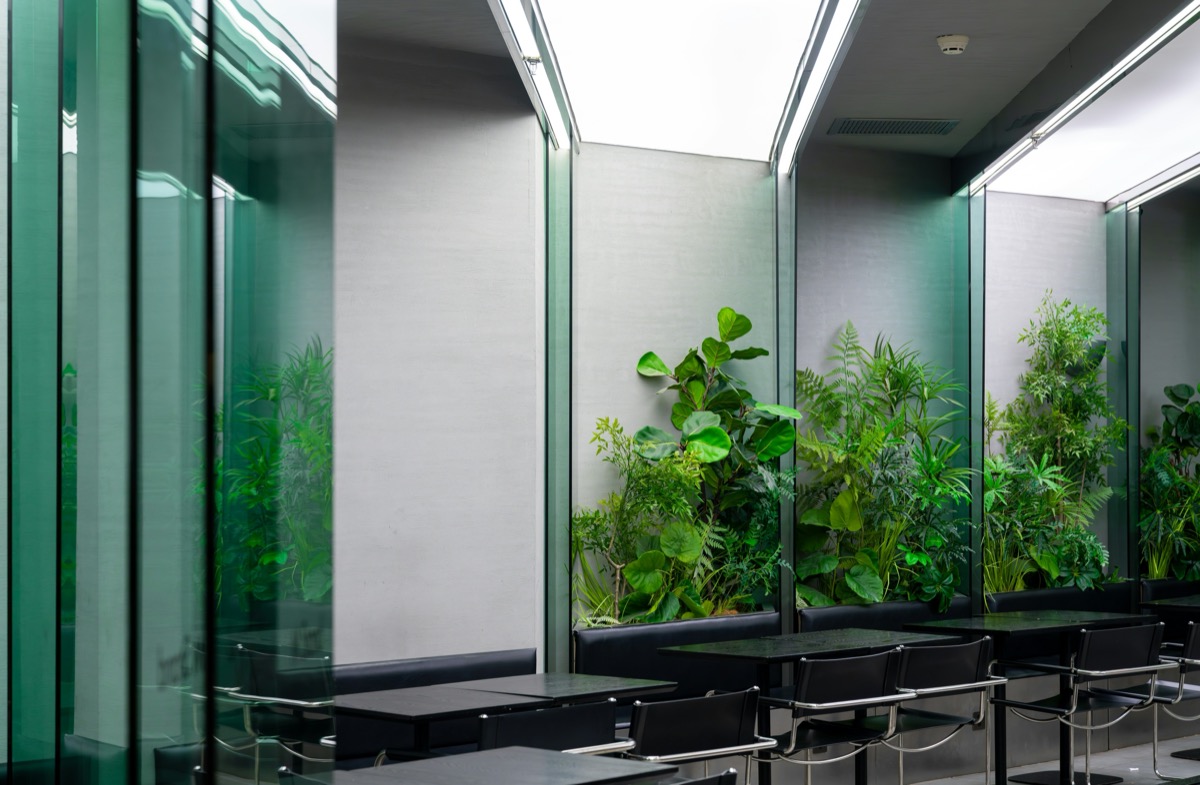
Spring is supposed to be the season plants thrive. But if you've walked past your office's reception area lately and noticed yellowing leaves, leggy growth, or a general look of exhaustion, you're not imagining it. Spring is actually one of the more stressful transitions for commercial office plants — and understanding why can save you from watching a full installation deteriorate before summer even begins.
What Happens to Office Plants in Spring
The Light Shift
As daylight hours extend and the sun climbs higher, light intensity increases significantly — including through your office windows. Plants that spent the winter in a kind of low-light dormancy are suddenly receiving more direct and indirect light than they've been calibrated for.
For many common commercial varieties like Epipremnum aureum (pothos) or Spathiphyllum (peace lily), this isn't necessarily welcome news. Sudden light increases can cause leaf bleaching, crispy edges, and accelerated soil dry-out — all of which look like neglect but are actually environmental stress.
HVAC Transition Problems
April and May bring unpredictable temperature swings in Toronto offices. Heating systems run less, cooling systems haven't kicked in yet, and windows get cracked open. The result is inconsistent humidity and temperature fluctuations that most tropical office plants find genuinely stressful.
Ficus elastica (rubber trees) and Dracaena varieties are particularly sensitive to cold drafts. If your plants are positioned near windows that get opened in spring, that warm-to-cold cycling is likely the culprit behind sudden leaf drop.
Root System Fatigue
Plants that weren't repotted or root-checked over the winter often arrive in spring rootbound and depleted. The soil has compacted, drainage is poor, and the plant has been slowly suffocating. Spring growth signals the plant to push new leaves — but without the root infrastructure to support it, the result is weak, pale, or stunted growth.
What You Can Actually Do About It
Audit Your Placement
Walk your office and take note of which plants are near:
- South- or west-facing windows with unobstructed afternoon sun
- Vents where air conditioning will soon start blowing
- Exterior doors or windows that get opened regularly
Plants in any of these spots should be moved or rotated before summer sets in. Even a few feet of distance from a vent can make a meaningful difference for sensitive species.
Adjust Your Watering Schedule
Spring soil behaviour is different from winter. Warmer temperatures and longer daylight hours mean soil dries out faster — but not uniformly. The rule of thumb for most commercial office plants: check moisture at two inches below the surface before watering, not on a fixed schedule.
Overwatering in spring is still the leading cause of commercial plant loss. Root rot sets in quickly when well-intentioned staff water on a calendar rather than in response to actual soil conditions.
Watch for Pest Activity
Spring warmth wakes up more than just your plants. Fungus gnats, spider mites, and scale insects become more active as temperatures rise. Early detection matters — a light infestation caught in May is far easier to manage than an established colony by July.
Look for:
- Fine webbing on leaf undersides (Ficus, Schefflera)
- Sticky residue on leaves or surfaces beneath plants (scale)
- Small flies hovering around soil (fungus gnats, usually a sign of overwatering)
Consider a Spring Reset
If multiple plants across your office are showing stress, a professional assessment in May or early June is worth scheduling. A trained technician can identify root problems, soil deficiencies, and placement issues in a single visit — and make adjustments before the summer air conditioning season creates a new set of challenges.
For offices with a mix of species installed over the years, spring is also a practical time to retire plants that are past their useful life and replace them with varieties better suited to your current office layout and light conditions.
What Healthy Office Plants Actually Signal
In a professional environment, well-maintained plants communicate something about how an organization operates. For finance firms, law offices, and tech companies in Toronto, the condition of shared spaces reflects on culture and attention to detail — whether or not it's consciously noticed by visitors and staff.
Plant maintenance isn't decorative. It's facilities management.
Ready to take office plant care off your plate? Get in touch with Benji's team — we've been keeping Toronto offices green for over 40 years.
Photo by Declan Sun on Unsplash