
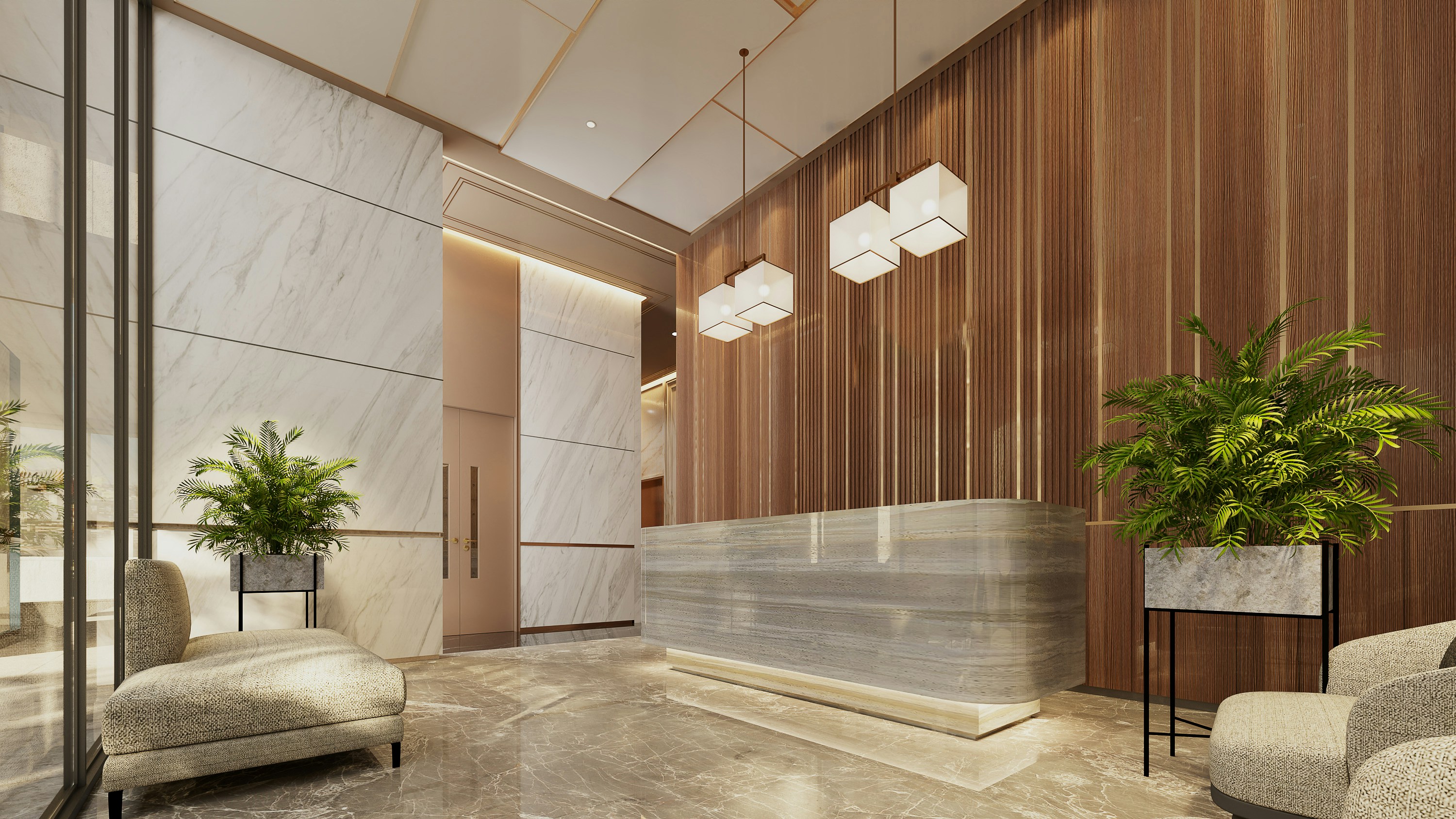
In Toronto's competitive office market, tenants choose buildings based on more than location and price. Amenity programming matters. A lobby that feels alive — with well-maintained living plants, not dusty silk arrangements — signals care and quality before a tenant ever speaks to your team.
That's why more property managers across the GTA are adding managed plant programs to their tenant experience budgets. This isn't a wellness trend. It's a leasing tool.
Why Plants Have Become a Tenant Amenity, Not a Decorative Afterthought
Toronto's commercial real estate market has been navigating a documented "flight to quality." Tenants are more selective than ever about which buildings they renew in and which they upgrade to. Buildings with strong amenity programming are differentiating themselves — and property managers who understand this are moving faster than their competitors on low-cost, high-visibility improvements.
Plants fit this moment well. They're visible, they're relatively low-cost compared to gym buildouts or event programming, and they work in two directions: they improve how a space feels, and they signal to tenants that the landlord is paying attention.
Biophilic design — incorporating natural elements like living plants into the built environment — has moved from boutique hospitality into mainstream commercial real estate. Tenants who work in environments with access to greenery report lower perceived stress and greater satisfaction with their workspace. Lobbies and common areas with well-curated plants consistently score higher in tenant satisfaction measures than those without.
First impressions drive retention. The lobby is the highest-ROI placement for a plant program because it's the one space every tenant and every client sees every day.
Where Indoor Plants Fit in a Commercial Building
A well-designed plant program covers more than one area of the building. Common placements include:
- Lobbies and reception areas — the highest-traffic and highest-visibility zone
- Elevator landings and corridor accents — subtle cues that carry the quality signal from floor to floor
- Amenity floors — gyms, lounges, conference suites, and co-working areas all benefit from greenery that reinforces premium positioning
- Tenant suites — an expansion service some property managers offer as a differentiator for premium tenants
Each placement calls for different plant selection based on light levels, traffic, and maintenance access. A professional service provider assesses these factors before specifying anything — the right plant for a bright south-facing lobby is not the right plant for a windowless elevator landing.
What a Managed Commercial Plant Program Looks Like
A managed plant program isn't a one-time delivery — it's an ongoing service relationship. Here's what a well-structured program typically includes:
Design consultation. The provider visits the building, assesses lighting conditions, reviews your aesthetic brief, and recommends a plant plan that works with the architecture and interior design.
Installation. Containers, soil, and plants are selected together. Placement is coordinated with your facilities team to avoid blocking fire exits, HVAC access, or egress paths.
Scheduled maintenance. A technician visits on a regular schedule — typically every one to two weeks — to water, prune, monitor plant health, and address any issues before they become visible problems.
Responsive service. If a plant struggles between scheduled visits, the service provider handles it — proactively, not after a tenant complaint lands in your inbox.
Multi-building accounts. Property managers overseeing multiple properties can run a single account across locations, with one point of contact for scheduling, invoicing, and design requests.
How to Justify the Cost to Your Ownership Group
This is the conversation that matters most. Ownership groups and asset managers want to see amenity investment tied to outcomes, not aesthetics.
The most direct frame is tenant retention math. In a Toronto Class A or B building, the cost of a single tenant not renewing — lost rent during the vacancy gap, carrying costs, leasing commission, and tenant improvement allowance for the next tenant — significantly exceeds the annual cost of a plant program. A managed service is a fraction of that downside risk.
Compare it to other common amenity investments:
- Gym buildout: $150K–$500K+ in capital, plus ongoing equipment maintenance and operating costs
- Event programming: $2K–$10K+ per event, requiring staffing, logistics, and annual budget allocation
- Indoor plant program: A monthly maintenance subscription, with installation as a smaller one-time investment
Plants also compound over time. Unlike a gym that ages out or a lounge that needs periodic refresh, a maintained plant collection improves — plants grow, fill out, and become more impressive with good care. The same program looks better in year three than it did in year one.
If your ownership group is preparing a capital plan or tenant improvement budget, a plant program is one of the few line items that improves the tenant experience, requires minimal infrastructure investment, and can start generating visible results within weeks of installation.
Ready to make the case to your ownership group? Book a free building walk-through with Benji's →
What to Ask a Plant Service Provider
Not every plant service is equipped for commercial buildings. When evaluating vendors, these questions help separate the right fit from the wrong one:
- Do you service commercial buildings, or mostly residential and small offices?
- Can you manage multiple floors or multiple buildings under a single account?
- How do you handle plant health issues between scheduled maintenance visits?
- What's your typical response time when something needs attention?
- Do you work directly with facilities teams on access scheduling?
A commercial-grade provider will have clear, immediate answers to all of these. One that hedges or redirects toward residential experience is probably not the right fit for a Class A or B property.
For more on what to look for when hiring, see our guide to choosing an office plant maintenance company in Toronto.
How Benji's Works with Toronto Commercial Properties
Benji's Plant Care has been maintaining commercial properties across the GTA for over four decades. Our commercial work includes lobbies, multi-floor common areas, and multi-building accounts for property management companies.
We start with a free building walk-through — not a sales call. A designer visits your property, assesses your common areas, reviews light conditions and traffic flow, and puts together a clear proposal you can take to your ownership group. No pressure, no commitment required at that stage.
Our maintenance model is built for property managers: scheduled visits coordinated with your facilities team, responsive follow-up on plant health, and a single account contact for all your buildings.
Ready to see what a plant program could look like for your building? Book a free walk-through with Benji's — we'll give you a proposal you can bring to your ownership group.