
You have decided your Vancouver office should have plants. Good. The harder decision is who keeps them alive once the install is done and the enthusiasm fades. A dozen providers will quote you. On paper they look interchangeable — same photos of green lobbies, same promises about "hassle-free" care.
They are not interchangeable. The difference shows up in February, when the rain hasn't stopped in three weeks, the light in your tower has gone flat and grey, and the fiddle leaf in reception is quietly dropping leaves. That is when you find out whether you hired a maintenance company or a delivery service.
These six questions surface the difference before you sign anything.
1. Do You Actually Understand Vancouver Light?
This is the question most providers fumble, and it matters more here than almost anywhere in the country. Vancouver offices spend roughly half the year under thick overcast. From November through February, the usable daylight coming through your windows is a fraction of what a plant catalogue assumes. A species that looks great in a bright Calgary showroom can decline steadily in a Gastown office by mid-winter.
Ask a provider how they choose plants for the darkest eight weeks of the year, not the brightest. A serious answer involves light-meter readings and species that genuinely tolerate low light — not a shrug and a promise to "swap it if it doesn't work."
Red flag: A quote built entirely around statement plants that need bright, direct light, with no mention of your actual winter conditions.
2. How Do You Handle Plant Replacement?
Every maintenance agreement should include replacements. The real questions are what triggers a replacement, how quickly it happens, and who eats the cost.
Ask directly: Is a replacement covered in my monthly fee, or billed separately? A confident provider covers plants that decline under their care, full stop. One that hedges — pointing at your building's light or HVAC before you have even signed — is telling you in advance that nothing will ever be their fault.
3. Who Is Our Actual Point of Contact?
Account-manager churn is the most common complaint in commercial plant care anywhere. You get passed between reps, nobody remembers your space, and small issues sit unresolved until they are visible ones.
Ask who will own your account and what happens when they are away. Tenure in a chair matters less than the right combination: one accountable person, real plant experience behind them, and a habit of learning your space — that the west-facing boardroom cooks in the afternoon sun off the water and the north corner never sees a direct ray. A provider who can't tell you who that person is has not thought about continuity — you have.
4. What Does a Visit Actually Include?
"Monthly maintenance" can mean a twenty-minute watering pass, or it can mean a real inspection: checking soil moisture against the season, wiping dust off leaves, pruning dead growth, rotating plants toward what light there is, and scanning for pests before they spread through the whole collection.
Ask exactly what each visit covers — and compare the answer against how a provider describes their own office plant maintenance in Vancouver. In a rainy-winter climate the watering calculus flips constantly — a pot that dries fast next to a heating vent in January behaves nothing like it does in a humid September. If a provider can't walk you through what actually happens on a visit, service quality will drift downward after the first few months, and you won't notice until something looks bad.
5. Which Services Do They Actually Deliver?
Maintenance rarely lives alone. Most offices end up needing some combination of design, installation, ongoing care, and sometimes rental — and it matters whether one provider delivers all of it or you end up coordinating three vendors who point at each other when something declines.
Review a provider's full menu of services and ask which pieces they deliver themselves. Understanding what the company actually delivers tells you which combination works best for your office — and whether they can grow with you as the space evolves.
6. How Do You Assess a Space Before Quoting?
The initial assessment determines everything downstream: which species survive your ceiling height and glazing, where drainage will be a headache, and what cadence your space genuinely needs. In a glass tower off Coal Harbour, the afternoon glare off the water is a real variable. In a converted warehouse, the deep floor plate means the middle of the room is effectively a cave.
What matters is not who carries the tablet — it is that your conditions get documented and read by people who know plants. A serious provider records the light, the layout and the problem corners, and has senior plant specialists review those conditions before a single species is proposed. An early ballpark estimate is a good sign, not a bad one — it helps you budget before committing. But if a final proposal lands with species and pricing before anyone has looked at your space, that is your answer.
What Actually Keeps Office Plants Alive
Glossy portfolios are easy to show and easy to inflate. What keeps plants alive through a grey Vancouver February is process: species chosen against your real light instead of a catalogue photo, visits that follow a consistent routine instead of a quick watering pass, replacements included instead of argued about, and one accountable person who answers when something looks off.
That discipline is portable. A provider with decades of commercial plant care behind them brings a tested playbook — the dry, heated air inside a sealed downtown tower in January is a problem they have solved hundreds of times — and applies it to your building with fresh eyes instead of assumptions.
Ready to Compare?
Benji's designs, installs and maintains office plant programs for businesses across Canada, and we bring that experience to Vancouver offices directly. We'll walk your space, tell you exactly what we would recommend for your light and your layout, and put it in writing before you sign anything. We're not the cheap option. We just do a good job.
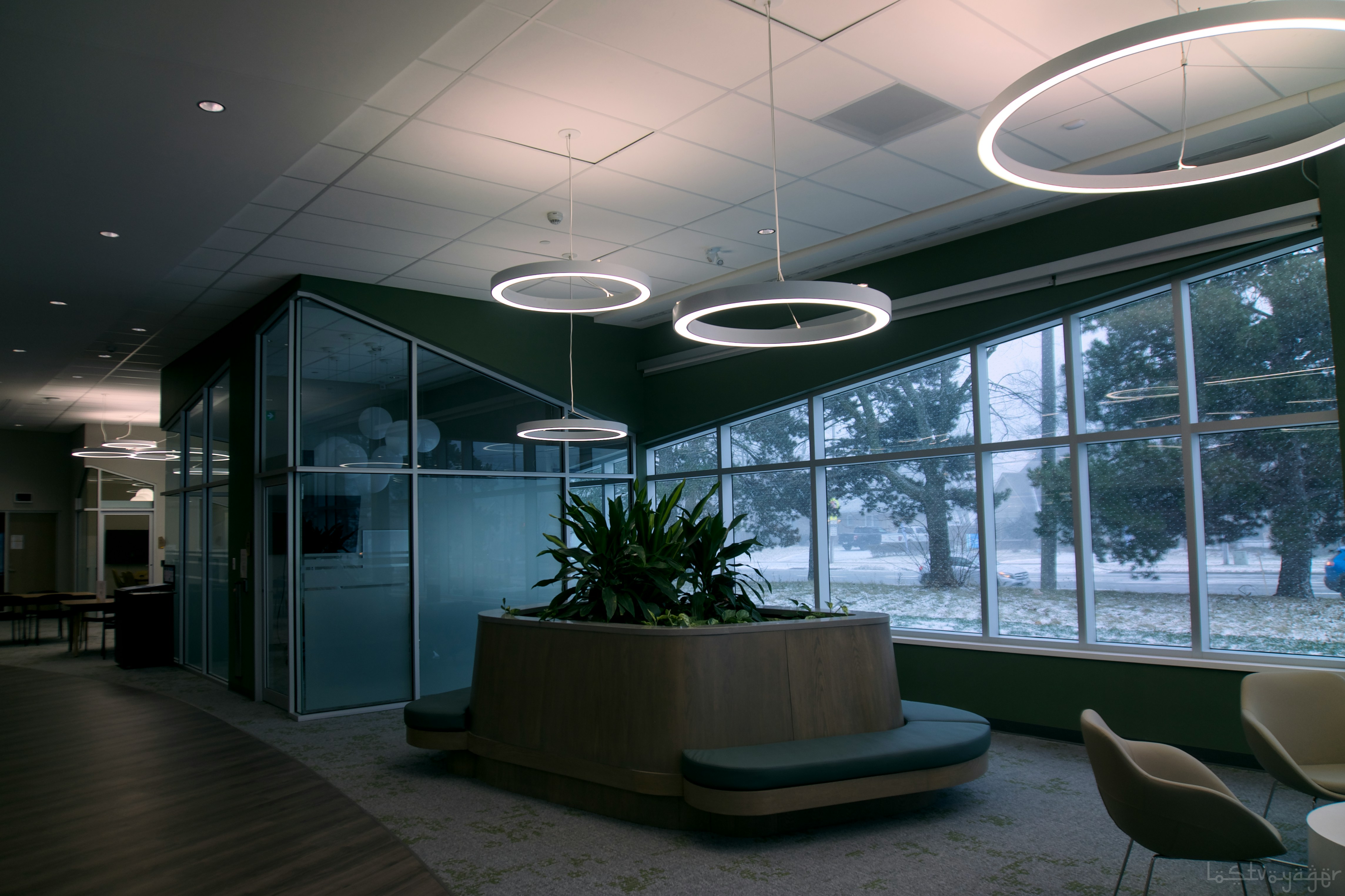
Photo by lost voyager on Unsplash